








A Shield For Your Immunity
The rainy season often brings a spike in viral and bacterial infections, from the common cold to the flu. This is where pomegranate, known as 'Dadima' in Ayurveda, steps in as a powerful ally. Packed with potent antioxidants and Vitamin C, this fruit
helps strengthen your body’s natural defences. The antioxidants, particularly punicalagins and anthocyanins, have anti-viral and anti-inflammatory properties that are crucial for fighting off seasonal illnesses. Health experts suggest that regular consumption of pomegranate can help your immune cells work more efficiently, keeping those pesky monsoon maladies at bay. Think of it as a natural armour that protects you from within, making it an essential part of your monsoon diet.
Your Digestive System’s Best Friend
Digestion tends to slow down during the monsoon, and the damp weather can increase the risk of gastrointestinal issues from contaminated food and water. Pomegranate is exceptionally beneficial for gut health. Traditionally, it is known to improve appetite and aid digestion. The fruit contains fibre, which is essential for maintaining a healthy digestive system. Moreover, certain compounds in pomegranate can have a prebiotic effect, meaning they nourish the good bacteria in your gut. Ayurvedic texts have long praised pomegranate for its ability to manage digestive troubles like diarrhoea and general bowel irritability, thanks to its astringent qualities. Adding this fruit to your diet can help keep your digestive system balanced and robust through the challenging season.
A Natural Glow for Monsoon Skin
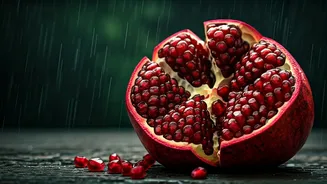
High humidity and frequent exposure to dampness can wreak havoc on your skin, leading to breakouts, fungal infections, and a generally dull appearance. Pomegranate is a celebrated ingredient for skin health, working from the inside out. Its rich antioxidant content helps fight oxidative stress, which is a major contributor to skin damage and premature ageing. The fruit is also a good source of Vitamin C, a crucial nutrient for the production of collagen, the protein that keeps skin firm and supple. Some studies even suggest that the compounds in pomegranate can help protect the skin against UV damage and soothe inflammation associated with conditions like acne and rashes. For that healthy, monsoon-proof glow, the ruby-red seeds of the pomegranate are a delicious secret weapon.
More Than Just a Seasonal Fix
While pomegranates are particularly useful during the monsoon, their benefits extend to year-round wellness. They are celebrated for being heart-healthy, with studies suggesting they can help lower blood pressure and improve cholesterol levels. The anti-inflammatory properties that help with monsoon ailments are also beneficial for managing chronic conditions like arthritis. The fruit is also considered a brain food; compounds called ellagitannins found in pomegranates may help protect against neurodegenerative diseases by reducing inflammation in the brain. Being rich in iron and other nutrients, it also helps combat fatigue and can improve haemoglobin levels, keeping you energetic on gloomy, rainy days.
Easy Ways to Enjoy Pomegranate
Incorporating this superfood into your diet is simple and enjoyable. The easiest way is to eat the fresh arils (seeds) as a snack. You can also sprinkle them over salads, yoghurt, or your morning bowl of oats for a burst of flavour and crunch. For a refreshing drink, blend the seeds with a little water and a squeeze of lime to make a fresh juice. In Indian cuisine, pomegranate seeds are often used as a garnish for raitas, rice dishes like Pomegranate Rice, and even curries, adding a touch of sweetness and acidity. A South Indian style salad, or 'kosumalli', with coconut and a simple tempering is another delightful way to enjoy it. Whether in a raita, a salad, or simply by the spoonful, adding pomegranate to your daily meals is a simple step with significant rewards.