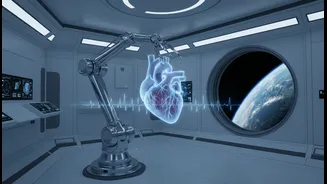





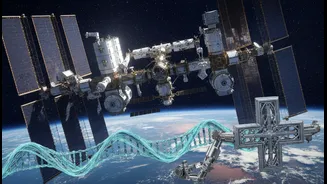



What is Space Medicine?
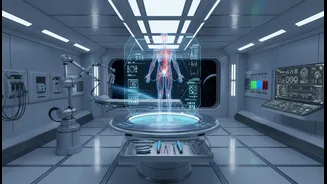
Space medicine is a specialized field of occupational medicine focused on the health, safety, and performance of astronauts and anyone traveling in air and space. It's not just about treating illnesses in orbit; it's a multidisciplinary science that combines
clinical care, preventive health, psychology, and engineering. Specialists study how extreme environments—microgravity, G-forces, radiation, and enclosed spaces—affect the human body and mind. Their work is crucial for designing countermeasures, ensuring crew well-being, and making human spaceflight possible. It’s a field less about general practice and more about research, physiological assessment, and ensuring humans can function optimally with complex machines in a hostile environment.
Why This Field is Crucial for India Now
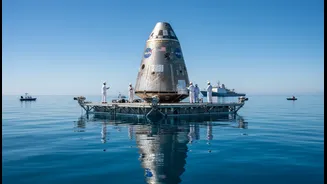
With the Gaganyaan program, India is poised to become the fourth nation to launch its own crewed space mission. This national endeavor has created an urgent need for homegrown experts in space medicine. ISRO chairman S. Somnath has highlighted the importance of a strong pool of doctors interacting with engineers to design human-rated spacecraft. These specialists are essential for astronaut selection, training, in-flight medical support, and post-mission healthcare. As India expands its ambitions towards a potential space station (the Bharatiya Antariksh Station) and even crewed lunar missions, the demand for professionals who can manage the unique health challenges of long-duration space travel will only grow.
The Path for Medical Students
For aspiring space doctors, the journey begins with an MBBS degree from a recognized institution. After completing the mandatory internship, the next step is to qualify for the NEET-PG entrance exam. The premier—and currently only—institution in India offering a super-specialized MD in Aerospace Medicine is the Institute of Aerospace Medicine (IAM), run by the Indian Air Force in Bengaluru. This highly competitive three-year program has a very limited intake, with only a handful of seats available for civilians. The curriculum covers subjects like environmental physiology, aviation psychiatry, hyperbaric medicine, and spaceflight itself. Graduates can find opportunities with the Armed Forces, regulatory bodies like the DGCA, commercial airlines, and, crucially, space agencies like ISRO.
The Role of Engineers in Space Health
Space medicine is not solely the domain of doctors. Engineers, particularly from mechanical, electrical, and biomedical backgrounds, are indispensable. They design and develop the life support systems that create a habitable environment inside a spacecraft, managing everything from air and water recycling to temperature and waste control. These engineers work on the ergonomics of the crew capsule, ensuring displays and controls are intuitive and safe. They also build the medical systems, telemedicine tools, and remote monitoring devices that allow for healthcare in a resource-limited setting. For engineering aspirants, specializing in fields like aerospace, biomedical engineering, or systems engineering can open doors to a career ensuring astronaut safety and mission success.
Beyond the Degree: Essential Skills
A degree is just the starting point. Professionals in space medicine need a unique combination of skills. Exceptional problem-solving abilities are a must, as they often face complex and unexpected challenges. Given the multidisciplinary nature of the work, strong teamwork and communication skills are vital for the seamless collaboration between doctors, engineers, and mission controllers. Furthermore, a deep-seated research orientation is important, as the field is constantly evolving. For astronauts and the teams supporting them, psychological resilience, adaptability, and the ability to perform under immense pressure are non-negotiable qualities.