






From Comfort to Conscious Choice
For generations, the choice of tea in most Indian households was simple: a strong, milky, sweet masala chai to start the day or welcome guests. It was a ritual of comfort, a cultural touchstone. That ritual isn't disappearing, but it's now sharing shelf
space with a new philosophy. The modern tea lover’s cabinet is starting to look more like a wellness apothecary. The question is no longer just “Want some chai?” but “What does my body need right now?” This shift marks a move from tea as a passive habit to an active, conscious choice for self-care. It's about seeing the daily brew not just as a pick-me-up, but as a functional tool to manage stress, improve sleep, aid digestion, or boost immunity.
The New Stars of the Tea Caddy
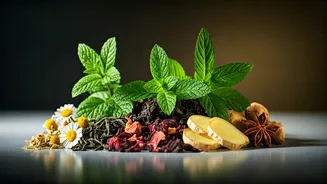
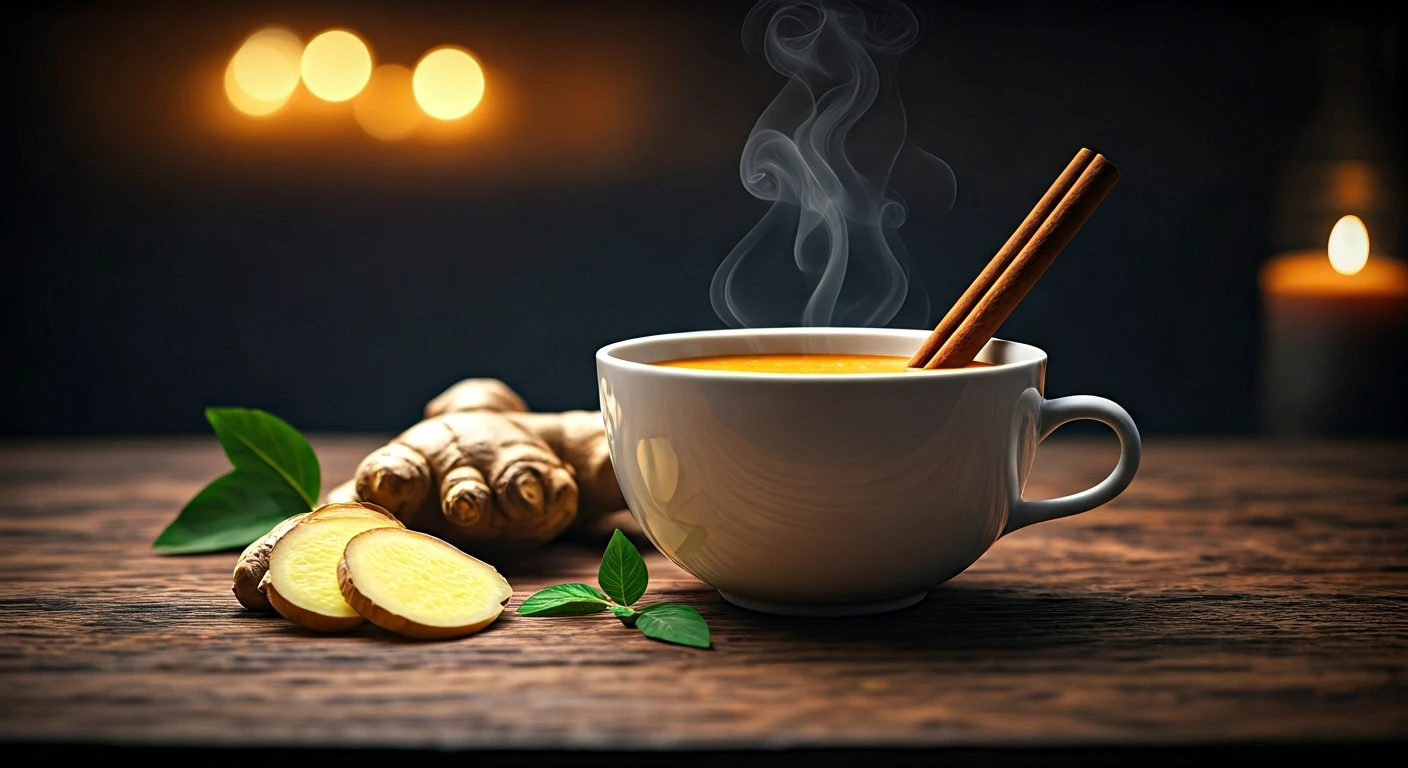
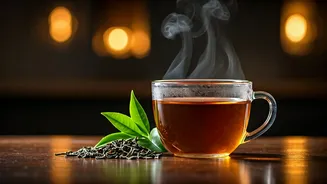
This wellness-first approach has propelled a new cast of herbal and blended teas into the spotlight. While green tea was the first to break through as a 'healthy' alternative, the options have since exploded. Calming chamomile is now a popular choice for winding down before bed, prized for its traditional use in promoting relaxation. Peppermint and ginger-lemon teas are sought after for their soothing effects on the digestive system. Bright, tart hibiscus tea, rich in antioxidants, is enjoyed both hot and cold. More significantly for the Indian context, there's a resurgence of interest in Ayurvedic ingredients. Teas infused with turmeric, ashwagandha, tulsi, and brahmi are flying off the shelves, as they connect modern wellness goals with centuries-old traditional knowledge about holistic health. These aren't just beverages; they are small, accessible daily wellness rituals.
Why Now? The Drivers of the Trend
Several factors are brewing this wellness storm. The most significant catalyst has been a heightened, post-pandemic focus on health and immunity. The collective experience of turning to home remedies and 'kadhas' during the pandemic left a lasting impression, making people more proactive about their health. Consumers are now actively seeking out natural ways to support their body's defences, and wellness teas are a perfect fit. This is amplified by the global wellness movement, which has reframed self-care as an essential part of a healthy lifestyle. A cup of 'Sleepytime' tea is an easy, affordable, and Instagram-friendly act of self-care. Furthermore, there is a renewed pride and interest in India's own traditions. Consumers and brands alike are looking back to Ayurvedic principles, validating ancient wisdom with modern packaging and marketing, making it accessible to a new generation.
How the Market is Responding
The tea industry has been quick to notice and adapt. Legacy brands and new-age startups are flooding the market with 'functional' tea lines. The marketing language has shifted dramatically. Instead of focusing solely on origin, flavour profiles, or aroma, the packaging now prominently features the intended benefit: 'Sleep', 'Digest', 'Immunity', 'Glow', 'Focus'. This direct, benefit-led communication removes the guesswork for consumers and makes it easy for them to choose a tea that aligns with their specific wellness goals. There is also a greater emphasis on sourcing, with terms like 'organic', 'all-natural', and 'caffeine-free' becoming major selling points. This market response has created a virtuous cycle: as more wellness options become available and visible, more consumers are drawn into the trend, further solidifying the shift in the tea landscape.