




From Urban Grind to Spiritual Retreat
For years, the path for ambitious tech professionals was clear: move to a metropolitan hub like Delhi, Bengaluru, or the surrounding NCR. But a new narrative is taking shape in the quiet, spiritual town of Rishikesh. An increasing number of software developers,
graphic designers, writers, and digital marketers are packing their laptops and leaving the chaotic city life behind. They are trading crowded metros and polluted air for riverside walks, yoga, and a more balanced existence. This migration isn't about dropping out of the workforce, but about reshaping it. The rise of remote work has untethered these professionals from their physical offices, allowing them to choose a lifestyle that prioritizes mental peace and well-being alongside their careers.
The Rise of the 'Work-From-Ashram' Model
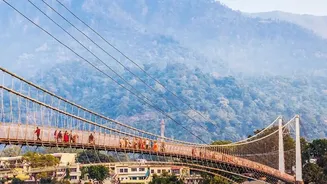
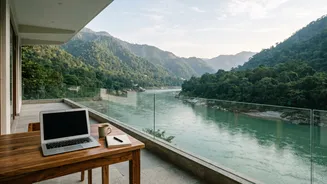
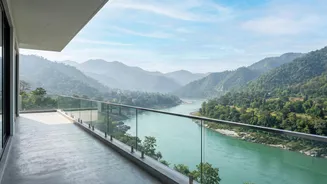
Catering to this new wave of residents are Ganga-side co-living hubs, a modern twist on the town's traditional ashrams. These spaces combine the practicality of a city apartment with the ethos of a wellness retreat. They offer not just a private room and a desk, but a full ecosystem designed for the modern freelancer. High-speed internet, once a major concern in the mountains, is now reliable in key areas like Tapovan and Laxman Jhula, making remote work seamless. Beyond the Wi-Fi, these hubs provide communal kitchens, dedicated coworking areas, and, most importantly, a built-in community of like-minded individuals. It’s a solution that combats the isolation often associated with freelance life while providing the infrastructure needed to stay productive.
More Than Just Wi-Fi and a Good View
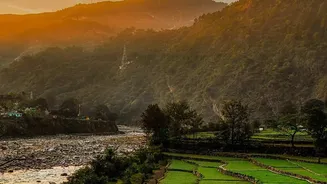
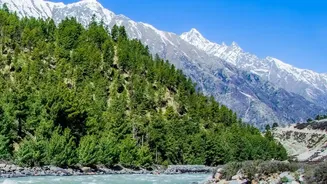
The appeal of Rishikesh runs deeper than just scenic beauty. It offers a holistic lifestyle that urban centres struggle to match. The daily routine for many of these tech nomads includes morning yoga sessions, meditation by the river, and evening walks to witness the Ganga Aarti. This integration of wellness practices into the workday is a powerful antidote to burnout, a common ailment in the high-pressure tech industry. The environment itself promotes a healthier life; clean air and access to nature are significant draws. This shift is less a temporary 'workation' and more a long-term relocation for those seeking sustainable work-life balance. Community events, skill-sharing workshops, and weekend treks to nearby waterfalls foster a sense of connection and adventure that was often missing from their previous city lives.
The Economics of Escape
The financial argument for moving is surprisingly compelling. While a tech salary goes a long way in Delhi or Jaipur, the cost of living in a major city can be draining. High rent for small apartments, expensive commutes, and the general cost of a metropolitan lifestyle eat into savings. In contrast, Rishikesh offers a significantly lower cost of living. Co-living spaces can range from approximately ₹6,000 to higher-end options, often including utilities, Wi-Fi, and access to communal facilities. Food and local transport are also considerably cheaper. For a freelancer earning a city-level income, the financial freedom gained by moving to Rishikesh means more disposable income, less financial stress, and the ability to invest in personal growth and experiences rather than just rent.