


Beyond 'Local' to Hyperlocal
We’ve heard the term ‘farm-to-table’ for years, but ‘hyperlocal’ takes that concept a giant leap further. It’s a commitment to sourcing ingredients from an extremely close radius—not just the same state or region, but from nearby farms, community gardens,
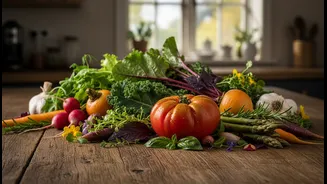
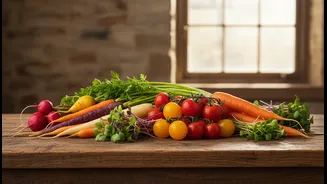
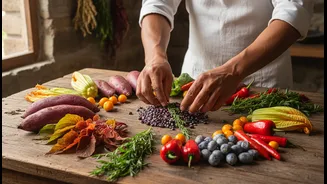
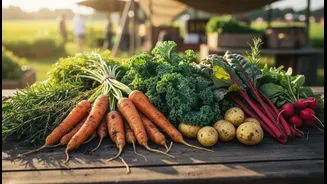
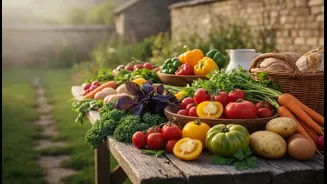
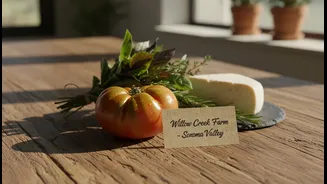
or even the restaurant's own rooftop or backyard plot. This means the journey from soil to plate can be a matter of hours, not days. The result is unparalleled freshness and flavour that food shipped across the country, or world, simply cannot match. Imagine a salad made with greens picked that morning or a fish curry featuring Malabar tamarind from a neighbouring grove. That’s the hyperlocal promise: an intimate connection between the dish and its immediate environment.
An Antidote to Fleeting Trends
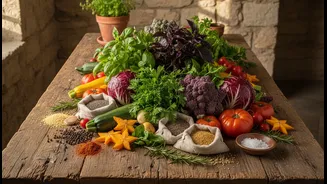
Food trends are often global, driven by social media and international supply chains. One year it’s quinoa, the next it’s activated charcoal. While exciting, these fads can create a sense of sameness, where a cafe in Mumbai might feel indistinguishable from one in London. Hyperlocal sourcing is the antidote. A menu built around ingredients like Manipuri black rice, Rajasthani kachri, or Mahua flowers from Chhattisgarh is, by its very nature, unique and tied to a specific geography. It tells a story of place. Chefs working this way are not just cooks; they become curators of their region's biodiversity. This approach allows them to create dishes that are deeply personal and impossible to replicate elsewhere, rooting their establishment in a specific cultural and agricultural context rather than chasing the next big thing.
Flavour, Story, and Community
The benefits of a hyperlocal approach extend far beyond the plate. For diners, it offers transparency and trust; they know exactly where their food is coming from. This philosophy also fosters a powerful bond between a restaurant and its community. By supporting small-scale farmers and producers, these establishments bolster the local economy and encourage sustainable agricultural practices. Chefs in India like Vanika Choudhary and Prateek Sadhu are not just championing indigenous ingredients but are also preserving culinary traditions and building relationships with the communities that grow them. The food becomes a narrative, telling stories of a region's history, its people, and its seasonal rhythms, offering a dining experience rich with meaning.
The Realities on the Ground
Of course, this path is not without its challenges. Committing to a hyperlocal model requires immense flexibility and creativity. Chefs must design menus around seasonal availability, which can be inconsistent. Sourcing from multiple small producers is more logistically complex than relying on a single large distributor. Costs can also be higher, as small, sustainable farms can't always compete on price with industrial agriculture. It demands a different kind of skill from the kitchen—one that can adapt to a surprise bounty of one ingredient or a sudden scarcity of another. Yet, for those who embrace it, the reward is a resilient, sustainable business model that offers something truly authentic.