



Start with a Water-Resistant Bag
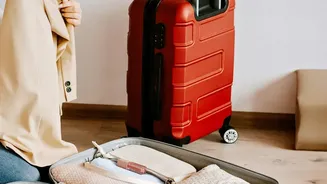
Your first line of defence is the bag you carry. If you're in the market for new luggage, consider a water-resistant travel backpack or a hard-shell suitcase. These materials prevent moisture from seeping in during a sudden shower. If you love your current
bag, a packable rain cover is an essential and affordable accessory. It folds down to almost nothing and can be deployed in seconds to protect your entire bag. Even with a waterproof bag, it's wise to organize your belongings inside. Use packing cubes for clothes and a dedicated wet/dry pouch for anything that gets damp, from a swimsuit to a rain-soaked pair of socks.
Create a Fortress for Your Electronics
Water is the arch-nemesis of electronics. The simplest and most effective DIY solution is the humble zip-top plastic bag. Pack a few different sizes to create a waterproof barrier for your phone, camera, passport, and chargers. For more robust protection, invest in a proper dry bag. Originally designed for water sports, these are 100% waterproof and a lifesaver if you're caught in a serious downpour or traveling by boat. To combat humidity, which can cause damage even without direct rain, toss a few silica gel packets into your electronics bag. These tiny sachets absorb ambient moisture, keeping your devices safe from condensation.
Power Up Without Worry
Rainy weather can often mean power outages, making a power bank an indispensable travel companion. Before you pack it, ensure it's fully charged. For an extra layer of protection, you can place it in its own small zip-top bag. When charging devices in a humid environment, try to do so in a well-ventilated area. If you're an avid adventurer who might be exposed to the elements frequently, you can even find waterproof power banks designed for rugged outdoor use. Also, consider packing a headlamp; they are more practical than a phone's flashlight during a power cut because they keep your hands free.
Choose and Prep Your Footwear Wisely
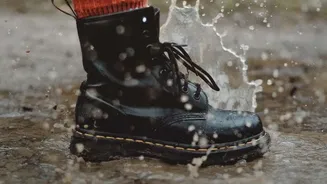
The secret to dry feet isn't just one pair of boots; it's a strategy. Before you leave, apply a waterproof protector spray to your shoes, especially if they are made of leather, suede, or canvas. This creates an initial barrier against moisture. When packing, avoid relying on a single pair. It’s best to bring at least two pairs of shoes so one can dry while you wear the other. Prioritize footwear made from rubber or synthetic materials that dry quickly over cotton or untreated leather. And always, always pack extra socks—preferably wool or synthetic ones, which dry much faster than cotton.
The Art of Drying Wet Shoes
If your shoes do get soaked, resist the urge to place them near a heater or in direct sunlight. Intense heat can cause materials like leather to crack and adhesives to fail, permanently warping your shoes. The correct method is slow and steady. First, remove the insoles and loosen the laces. Then, stuff the shoes with crumpled newspaper or paper towels to absorb the internal moisture. Replace the damp paper every few hours. Let the shoes air-dry in a well-ventilated room, away from direct heat. This gentle process preserves the shape and integrity of your footwear, ensuring they’re ready for your next day of exploration.
Pack a Small Shoe-Saving Kit
A small, dedicated kit can be a lifesaver for your footwear. Include a soft brush or an old toothbrush to gently remove dried mud without damaging the shoe's surface. Pack a separate reusable or plastic bag specifically for storing wet or muddy shoes to keep them from soiling the clean clothes in your luggage. It can also be smart to keep a clean, dry pair of shoes at your accommodation. Commute in your rain-ready pair and change into your nicer, dry shoes upon arrival, letting the wet pair air out properly.