






Beyond the Total Volume
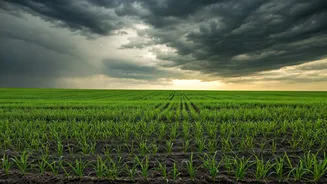
For millions of farmers, the arrival of the southwest monsoon marks the start of the critical Kharif cropping season. These monsoon crops, like rice, soybean, and cotton, are the backbone of India's food supply. While it's easy to assume that more rain
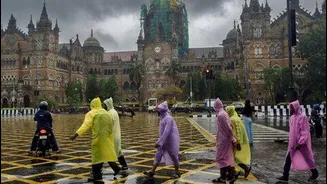
automatically equals a better harvest, the reality is far more complex. Agricultural output depends less on the total volume of rain and more on its character. A 'good' monsoon is one that is well-distributed, timely, and arrives with the right intensity. Too much rain in a short period can cause floods and damage crops, while long dry spells can wither them, even if the seasonal total is normal.
The Importance of Timing and Distribution
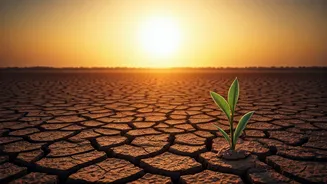
The timing of the monsoon's onset is critical for sowing. Pre-monsoon showers prepare the soil, and a timely arrival of the main rains ensures seeds germinate properly. Any significant delay can shrink the planting window and affect yields. Just as important is the spatial and temporal distribution of rainfall. Large parts of India's farmland are rain-fed, meaning they lack access to irrigation. These areas are highly vulnerable to erratic rainfall. It's common for some regions to experience devastating floods while others in the same season face drought-like conditions. Furthermore, breaks in the monsoon—prolonged dry periods in the middle of the season—can be disastrous if they coincide with crucial crop growth stages like flowering.
A Climate in Flux
Climate change is making India's monsoons more unpredictable. Studies show a clear trend towards more erratic and intense rainfall events. This means an increase in the frequency of both extreme rainfall and long dry spells. Scientists have observed that for every degree Celsius of warming, monsoon rainfall is likely to increase by about 5%, but this increase often comes in the form of chaotic, destructive downpours rather than steady, beneficial showers. This heightened variability poses a significant threat to the country's food security and economic stability, making farming an even riskier enterprise.
The 2026 Outlook: A Case Study
The forecast for the 2026 southwest monsoon serves as a practical example of these challenges. The India Meteorological Department (IMD) has projected a below-normal monsoon, with rainfall expected to be around 90-92% of the long-period average, partly due to developing El Niño conditions. While this headline figure causes concern, experts note the real risk lies in the distribution. Some forecasts predict a shortfall mainly in the latter half of the season, potentially impacting crop maturation. States in the core rain-fed regions of central and western India are at higher risk, highlighting the vulnerability of areas without extensive irrigation. This makes the monsoon's performance in the coming weeks critical for the season's outcome.
Building Resilience Beyond the Rain
Given the growing uncertainty, India is increasingly focused on mitigating the risks of a variable monsoon. Expanding irrigation is a key part of the solution. Schemes like the Pradhan Mantri Krishi Sinchayee Yojana (PMKSY) aim to increase the area under assured irrigation and promote water-use efficiency through methods like drip and sprinkler systems. These micro-irrigation techniques deliver water directly to the plant's roots, saving up to 70% of water compared to traditional flood irrigation. Alongside infrastructure, efforts are being made to promote rainwater harvesting, build check dams, and encourage the use of drought-resistant crop varieties to build a more resilient agricultural sector.