
Meet the Contenders
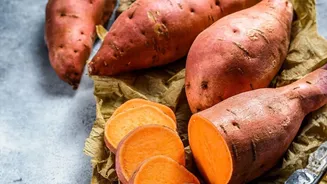
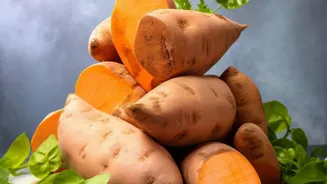
Though they often share space on the dinner plate, sweet potatoes and butternut squash are fundamentally different. The sweet potato is a starchy root vegetable, prized for its dense texture and pronounced sweetness. Botanically, butternut squash is a fruit
that grows on a vine. It has a milder, nuttier flavour and a higher water content, which makes its flesh less dense. These differences extend to their nutritional profiles. Per serving, sweet potatoes tend to be higher in calories, carbohydrates, and protein, making them more filling. Butternut squash is lighter, with about half the calories and significantly fewer carbs and sugars, making it a great option for those seeking volume with fewer calories. Both are packed with vitamins, though sweet potato often has a slight edge in vitamin A and potassium content.
The Power of Roasting
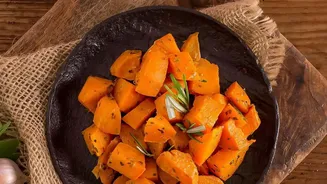
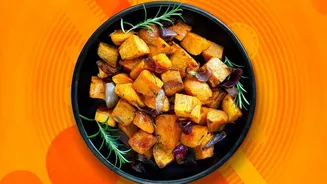
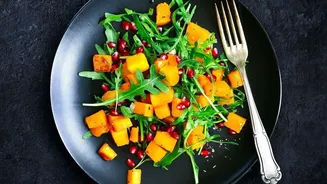
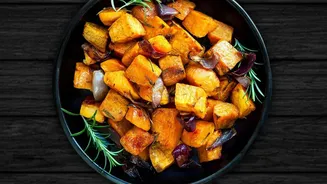
Roasting uses dry, high heat to transform vegetables. This method works wonders on both sweet potatoes and butternut squash by triggering caramelization. As the natural sugars in the vegetables are exposed to temperatures typically above 200°C, they break down and form new compounds that create deep, nutty, and complex flavours with a satisfyingly sweet finish. The dry heat also causes moisture to evaporate, concentrating the vegetable's flavour and creating those delightfully crispy, browned edges that are impossible to achieve with wet cooking methods. For the best results, it's essential to cut the vegetables into uniform pieces, toss them lightly in oil, and spread them in a single layer on a baking sheet to ensure they roast rather than steam.
The Case for Boiling
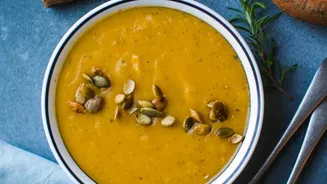
Boiling is all about speed and texture. Submerging cubed vegetables in boiling water is a fast and efficient way to cook them until fork-tender. For butternut squash, this can take as little as 10 minutes, while sweet potatoes may take a bit longer. This method is ideal when you're making purees, mashes, or creamy soups, as it quickly breaks down the vegetable's cell walls, resulting in a soft, easily blendable texture. However, boiling comes with a trade-off: flavour. Because the vegetables are cooked in water, some of their natural sweetness and nutrients can leach out, leading to a milder, more neutral taste. From a nutritional perspective, boiling can be beneficial. For sweet potatoes, it can lower the glycemic index, as some sugars are released into the water, leading to a smaller impact on blood sugar. It also tends to preserve more antioxidants compared to long roasting times at high heat.
Roasting: A Head-to-Head Battle
When roasted, the sweet potato's high starch and sugar content allow it to caramelize beautifully, developing a deep, candy-like sweetness and a creamy interior. Its dense structure helps it hold its shape, making it perfect for wedges or 'fries'. Butternut squash also caramelizes well, but its higher water content means it softens more quickly and can become more tender. The flavour becomes intensely nutty and sweet, but it won't achieve the same firm, crispy exterior as a sweet potato. If you desire deeply browned, flavour-packed bites for a salad or side dish, roasting is the superior method for both, but sweet potato wins for structure and crispiness.
Boiling: The Path to Smoothness
In a pot of boiling water, butternut squash is the star. Its less-starchy flesh breaks down quickly into a silky, smooth consistency, creating the perfect base for a velvety soup or a light, fluffy puree without any stringiness. While sweet potatoes can also be boiled for mashing, their starchier nature can sometimes result in a denser, heavier texture. The primary advantage of boiling is speed and achieving a tender texture for blending. If your end goal is a creamy soup or a smooth puree for a recipe like lasagna, boiling butternut squash is incredibly efficient and effective. For a simple, quick side, boiled sweet potato offers a gentler sweetness and a softer impact on blood sugar.
The Final Verdict: A Practical Guide
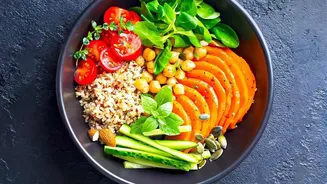
Your choice ultimately depends on your goal. Choose ROASTING for: - Maximum flavour: Roasting brings out the deepest, sweetest, and most complex nutty flavours in both vegetables. - Crispy texture: Ideal for sweet potato fries, wedges, or adding a textural element to grain bowls and salads. - A standalone side dish: Roasted cubes of either vegetable, seasoned simply, make for a stellar and simple side. Choose BOILING for: - Speed: It's the fastest way to get either vegetable soft and ready to use. - Creamy soups and purees: Boiling is perfect for preparing butternut squash for a silky-smooth soup or mash. - Milder flavour and lower glycemic index: If you want to temper the sweetness of a sweet potato or manage its impact on blood sugar, boiling is the way to go.