





Fuel Your Brain with the Right Foods
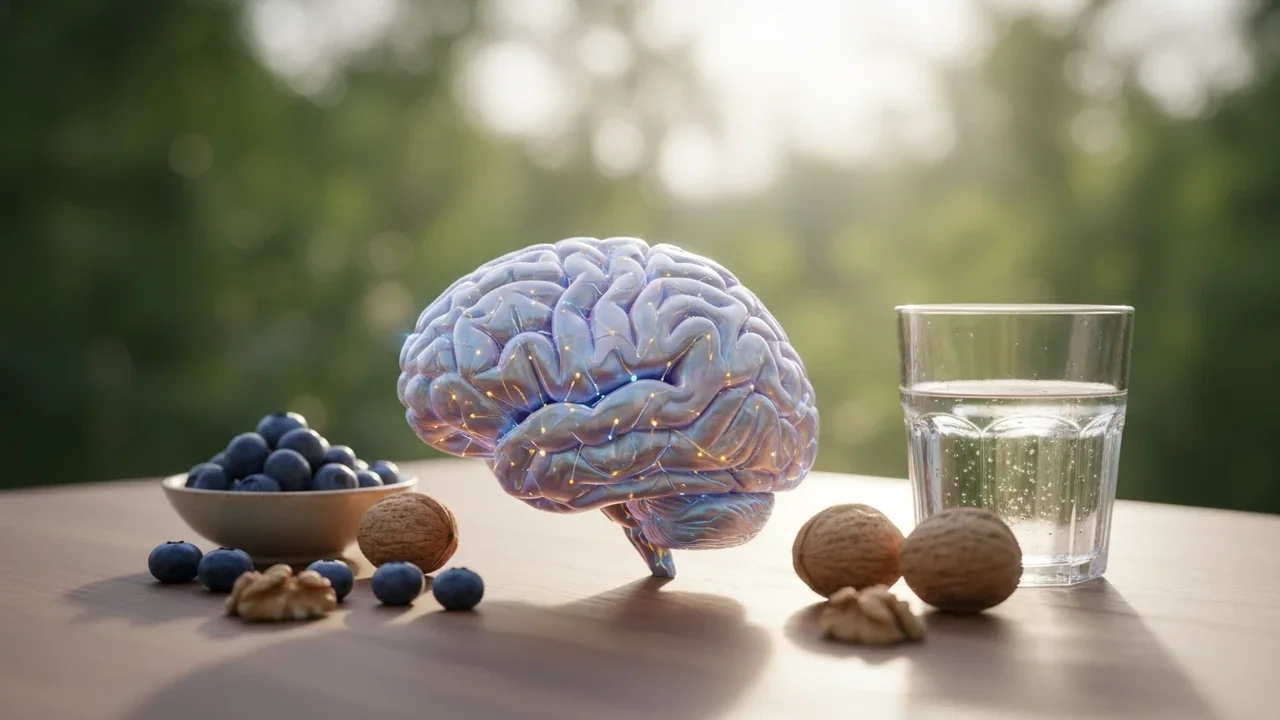
Just like a high-performance engine, your brain needs premium fuel to function optimally. A diet rich in specific nutrients can protect brain cells and support memory and focus. Omega-3 fatty acids, found in fatty fish like salmon as well as in walnuts
and flax seeds, are essential for brain cell health. Antioxidants, abundant in berries, leafy greens like spinach and kale, and other colourful vegetables, help combat cellular stress that can damage brain tissue over time. These foods provide flavonoids and vitamins like vitamin K, which studies have linked to slower cognitive decline. Instead of thinking in terms of single 'superfoods', focus on a balanced pattern of eating. A Mediterranean-style diet, for example, which emphasizes fruits, vegetables, whole grains, and healthy fats, has been consistently associated with better cognitive function and a lower risk of age-related memory problems.
Get Moving for Mental Clarity
Physical activity is one of the most powerful things you can do for your brain. When you exercise, you increase blood flow to the brain, delivering a fresh supply of oxygen and nutrients that help it work more efficiently. Aerobic exercise has been shown to have profound benefits, including improving learning and memory and even stimulating the growth of new neurons, a process called neurogenesis. You don’t need to become a marathon runner to reap the rewards. The American Heart Association recommends 150 minutes of moderate-intensity activity per week. This could be brisk walking, dancing, swimming, or cycling. Even short bursts of movement can boost mental clarity and mood almost immediately by activating 'feel-good' messengers like endorphins and serotonin while lowering levels of the stress hormone cortisol.
Challenge Your Mind to Keep It Plastic
Your brain isn't a fixed entity; it has a remarkable ability to change and adapt throughout your life. This is called neuroplasticity, and it's the reason we can learn new skills and form new memories. To keep this ability sharp, you need to challenge your mind regularly. Engaging in activities that are new and complex for you is key. This could be learning a musical instrument, picking up a new language, or even taking a class on a topic you know nothing about. These activities force your brain to create and strengthen new neural pathways, essentially building a more resilient and flexible cognitive network. The goal is to move beyond passive entertainment and engage in active learning that pushes you just outside your comfort zone. This mental 'workout' is crucial for maintaining cognitive function as you age.
Cultivate Your Social Connections
Social interaction is far more than just a pleasant way to pass the time; it's a fundamental requirement for a healthy brain. Engaging in conversation, listening to others, and navigating social dynamics all serve as a complex mental workout. This stimulation helps strengthen neural circuits involved in memory, attention, and processing. Research consistently shows that people with strong social ties have a lower risk of cognitive decline and dementia. Loneliness, conversely, acts as a chronic stressor that can negatively impact brain health. Nurturing your relationships provides emotional support that buffers against stress and encourages healthier behaviors, both of which protect the brain. Whether it’s joining a club, volunteering, or simply making time for regular calls with friends and family, these connections are a vital investment in your long-term cognitive well-being.
Actively Manage Your Stress
While short-term stress can be beneficial, chronic stress is toxic to the brain. When you’re constantly stressed, your body is flooded with the hormone cortisol. Over time, high levels of cortisol can damage the hippocampus, the brain’s critical center for learning and memory. This can lead to problems with focus, memory recall, and emotional regulation. Therefore, actively managing stress is a non-negotiable part of brain care. Practices like mindfulness, meditation, and deep-breathing exercises can help counteract the body's 'fight or flight' response and lower stress hormone levels. Integrating joyful activities into your day, spending time in nature, and ensuring you have strong social support are also effective strategies for building a more stress-resilient brain.