



Welcome to the Scotland of India
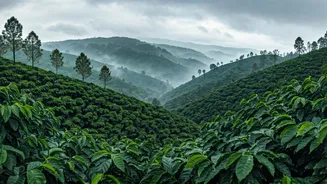
Tucked away in the Western Ghats, a UNESCO World Heritage site in the southern Indian state of Karnataka, lies Kodagu, more famously known by its anglicized name, Coorg. Dubbed the "Scotland of India" for its lush, undulating landscapes, cool climate,
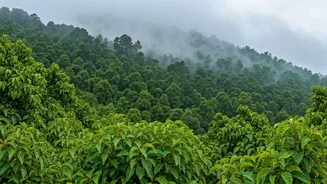
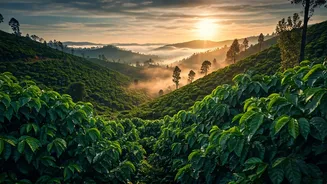
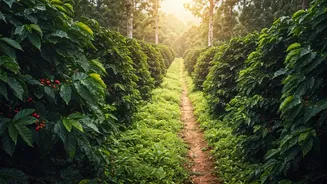
and persistent mist, this region is a world away from the country's bustling megacities. Its rolling hills are carpeted not with heather, but with sprawling coffee and spice plantations. For generations, this has been the heart of India’s coffee country, producing robust Robusta and aromatic Arabica beans beneath a canopy of shade trees. But increasingly, a new kind of visitor is arriving, one who isn't just here for the coffee, but for the dramatic seasonal transformation that earns Coorg its other nickname: the monsoon paradise.
The Magic of the Monsoon
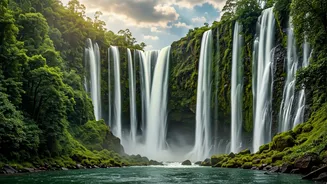
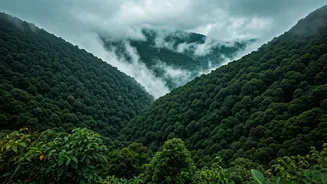
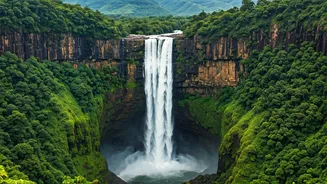
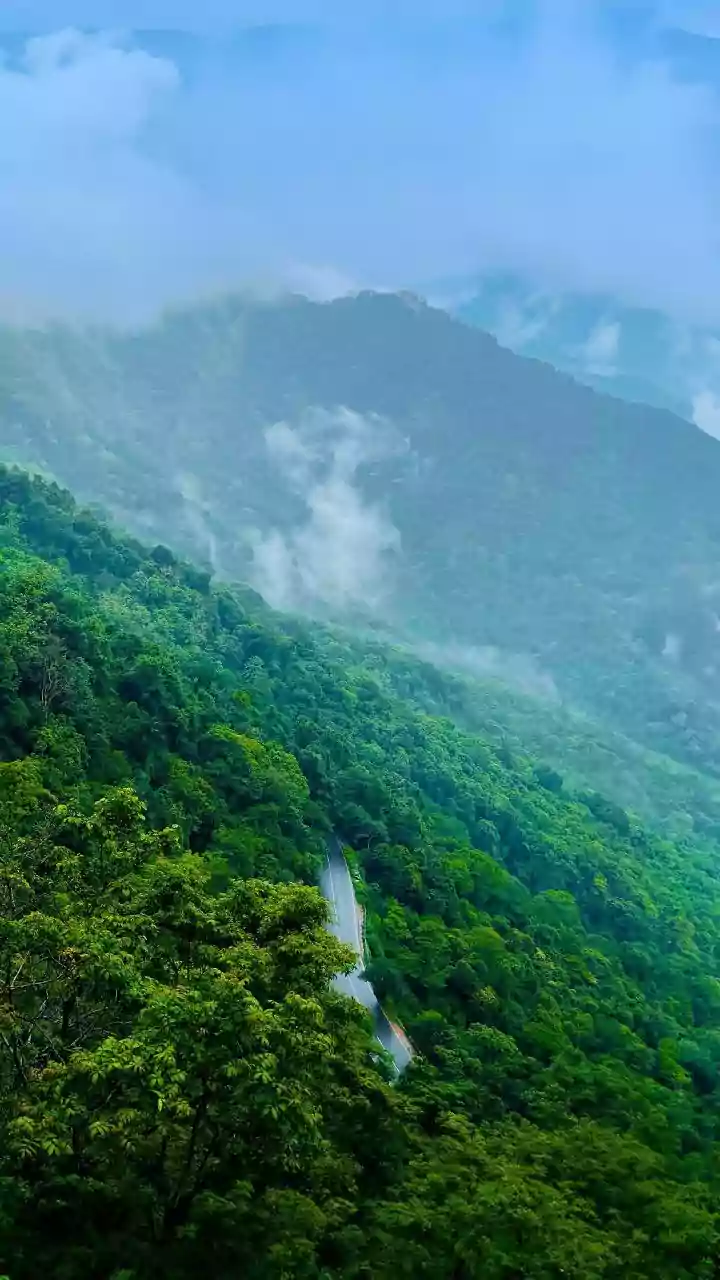
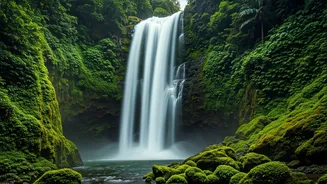
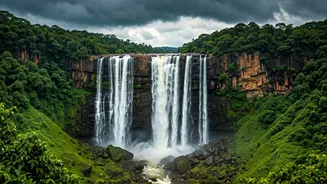
For most travel destinations, the rainy season is the off-season. In Coorg, it's the main event. From roughly June through September, the monsoon rains sweep in, breathing life into the landscape. What was green becomes a dozen different shades of emerald, jade, and moss. Dry riverbeds swell into gushing streams, and waterfalls like Abbey Falls and Iruppu Falls, which are mere trickles in the summer, become thunderous torrents. The temperature drops, and a pervasive, cinematic mist descends upon the valleys, shrouding the hilltops and creating an atmosphere of serene mystery. This isn't a gentle drizzle; it's a full-sensory experience. The constant sound of rain, the smell of petrichor rising from the soil, and the sight of clouds drifting through your window make it an immersive natural escape.
The Eco-Trekker's Path
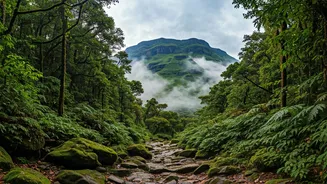
This ethereal landscape is the perfect playground for eco-trekkers—travelers who seek adventure with a conscience. Trekking in Coorg during the monsoon is not for the faint of heart, but it's incredibly rewarding. The 'eco' part of the journey is about respecting the fragile ecosystem of the Western Ghats, a global biodiversity hotspot. This means following a strict 'leave no trace' policy, staying on designated trails to prevent erosion, and hiring local guides who possess invaluable knowledge of the terrain, flora, and fauna. Popular routes take on a new character in the rain. The trek to Tadiandamol, Coorg's highest peak, becomes a slippery, challenging ascent through dense rainforest, with the promise of breathtaking (if brief) views when the mist clears. The drive and short hike to Mandalpatti viewpoint, often called the 'Misty View Point', lives up to its name, offering a panoramic spectacle of clouds and green hills playing hide-and-seek.
Beyond the Trails
While trekking is a major draw, Coorg offers more than just muddy trails. The monsoon is an ideal time for 'forest bathing'—a mindful walk through the woods, simply taking in the sights and sounds. You can visit a local coffee plantation for a tour, learning how the beans are grown, harvested, and processed, often ending with a tasting of freshly brewed coffee that tastes even better in the cool, damp air. The main town, Madikeri, is home to historical sites like the 17th-century Madikeri Fort and Raja's Seat, a garden that offers stunning sunset views when the clouds permit. A short drive away is Bylakuppe, one of the largest Tibetan settlements in India outside of Tibet itself, where the magnificent Golden Temple (Namdroling Monastery) provides a peaceful and colorful contrast to the surrounding greenery.
Know Before You Go
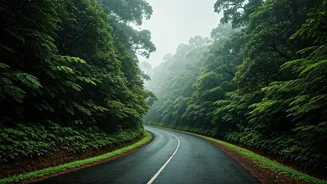
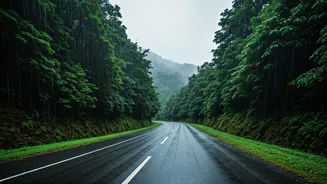
A monsoon adventure in Coorg requires preparation. This is not a flip-flops and t-shirt vacation. Waterproof gear is non-negotiable: a quality rain jacket, waterproof pants, and a cover for your backpack are essential. Sturdy hiking boots with excellent grip are a must for navigating slippery paths. Perhaps the most infamous residents of the monsoon forest are leeches; they are harmless but unavoidable. Locals swear by leech socks, or simply a generous application of salt or repellent, to deal with them. It’s also wise to travel in a 4x4 vehicle, as smaller cars can struggle on muddy plantation roads. Embrace the idea that you will get wet, you will get muddy, and your plans might be changed by the weather. That adaptability is part of the adventure itself.