





A Ritual in a Steel Tumbler
First, let's appreciate the tradition. South Indian filter coffee, or 'filter kaapi', is more than a drink; it's a process. Finely ground coffee, often blended with roasted chicory, is packed into a metal filter. Hot water is poured over, and a dark,
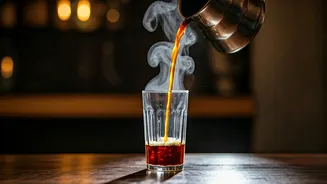
potent decoction slowly drips into the chamber below. [7, 10] This concentrate is then mixed with hot, frothy milk and aerated by being poured back and forth between a tumbler and a 'davara' (a small, wide bowl). [9] This daily ritual, a symbol of hospitality and comfort, has been a constant in South Indian households for decades, a flavour woven into the fabric of everyday life. [7, 10] Unlike instant coffee, which prioritises speed, filter kaapi is about the deliberate, unhurried creation of a perfect cup. [9]
The Third-Wave Cafe Makeover
While filter coffee never went away, its newfound prominence is being driven by India's booming third-wave coffee culture. For years, aspirational coffee meant lattes and cappuccinos from global chains. [7] Now, a new generation of boutique cafes and brands like Third Wave Coffee and VS Mani & Co. are reclaiming local traditions. [11, 18] They are applying the language of specialty coffee—terroir, roast profiles, single-origin beans—to a familiar brew. [7] This has reframed filter coffee from a simple home-style drink to a premium, craft beverage. [7, 8] Bengaluru, in particular, has been central to this shift, introducing a new coffee vocabulary to urban consumers who are now curious about their own heritage brews. [7]
The Search for Authenticity
The return to filter coffee is part of a broader cultural movement. As consumers become more discerning, there's a growing desire for authentic, less-processed products. [8] Filter coffee, with its simple, pure ingredients—just coffee, water, milk, and optional sugar—fits perfectly into this wellness-conscious mindset. [8] After being introduced to global coffee styles, many Indians are now looking inward and asking, “What is ours?”. [7] Filter coffee provides a delicious answer, a taste of home that feels both nostalgic and newly relevant. This quest for authenticity has turned a regional habit into a national revival, with people across the country seeking out authentic blends online. [8]
A Healthier, Heartier Brew
The focus on wellness has also cast a favourable light on filter coffee. Studies suggest that filtered coffee is a healthier choice compared to unfiltered methods like French press or espresso. The filtering process removes oily compounds called cafestol and kahweol, which can raise 'bad' LDL cholesterol levels. [3, 5] Furthermore, filter coffee is rich in antioxidants like polyphenols which support gut health and may reduce inflammation. [2, 4] The traditional chicory blend, once seen as a cost-saving measure, is now appreciated for adding a fibre boost and contributing to the drink's distinct velvety texture and body, which makes it satisfying. [4, 7]
From Kitchen Staple to Cultural Object
Ultimately, filter coffee has been elevated from a kitchen staple to a cultural object. [7] The iconic stainless steel tumbler and davara are not just vessels; they are photogenic symbols of a slow-living aesthetic that resonates deeply in a fast-paced world. [9] Its appearance on global lists of the world's best coffees has only cemented its status. [12] The brew is being celebrated not just for its taste, but for what it represents: a rich history, a comforting ritual, and a confident reaffirmation of Indian culinary identity. It was always premium; the rest of India is just catching on. [7]