





Why Indian Homes Are a Hidden Hotbed
The common belief that pets are safe from heatstroke indoors is a dangerous misconception, especially in India. Modern concrete apartments and homes with large glass windows can trap heat, turning living spaces into ovens. Poor ventilation, especially in dense
urban areas, prevents hot air from escaping. This risk is magnified on top floors, which absorb direct sunlight all day. Furthermore, India's high humidity makes it harder for pets to cool themselves down, as panting becomes less effective. This combination of architectural and climatic factors means even a room without direct sun can become dangerously warm.
Recognising the Subtle Warning Signs
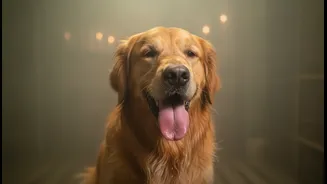
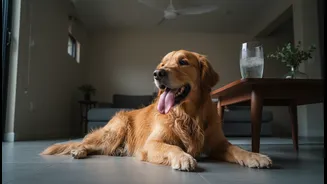
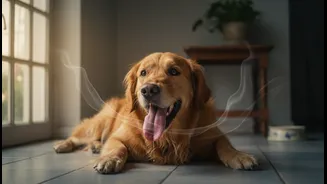
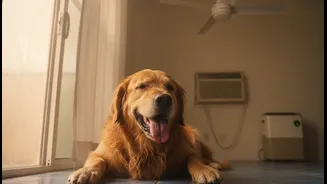
Heatstroke can escalate from mild discomfort to a life-threatening emergency in minutes. Early detection is key. Initial signs are often behavioural. Watch for excessive or rapid panting that doesn't stop even when your pet is resting in a cooler area. Other signals include thick, sticky drool, unusual lethargy, and restlessness. Your pet might constantly seek out cool surfaces like tiled floors or damp corners in the bathroom. As the condition worsens, their gums may appear bright red, pale, or even bluish. Vomiting, disorientation, stumbling, or collapse are signs of severe heatstroke requiring immediate action.
Breeds at Higher Risk in India
While all pets can suffer from heatstroke, some breeds are more vulnerable in an Indian climate. Brachycephalic (flat-faced) breeds like Pugs, Bulldogs, and Persian cats are at a particularly high risk due to their compromised respiratory systems, which makes panting less efficient. Breeds with thick, double coats designed for cold weather, such as Siberian Huskies and Saint Bernards, also struggle immensely. Even popular breeds like Labradors and Golden Retrievers can overheat without proper care. Conversely, native Indian breeds, often called 'indies' or pariah dogs, are naturally better adapted to the climate with their short coats and lean bodies, but even they are not immune to extreme heat.
Simple Prevention for the Indian Home
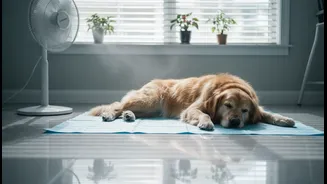
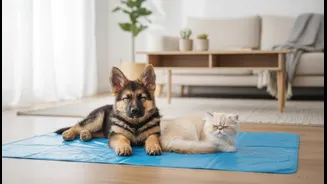
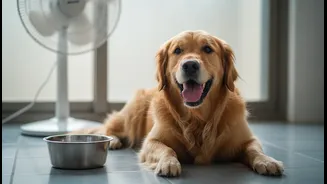
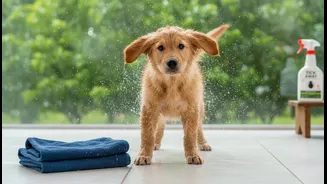
Preventing indoor heatstroke is about creating a cooler, safer environment. Ensure your pet always has access to multiple bowls of fresh, cool water; adding ice cubes can help. Keep curtains and blinds closed during the hottest parts of the day to block sunlight. Allow your pet to rest on cool surfaces like tile floors. You can also place damp towels on the floor for them to lie on. A pet-safe cooling mat can provide significant relief. Avoid walks between 11 a.m. and 5 p.m., when temperatures peak. A common mistake is shaving a double-coated dog; their fur actually provides insulation from heat. Instead, opt for regular grooming and trimming.
Managing the Risk During Power Cuts
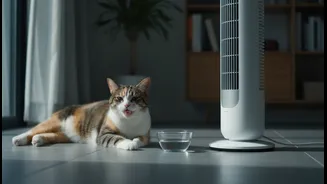
Frequent power outages in many parts of India pose a serious threat when air conditioners and fans stop working. During a power cut, open windows on opposite sides of the home to create cross-ventilation, but only if the air outside is cooler. Have a battery-operated fan ready. You can create a DIY cooler by placing a wet towel over a fan. Keep damp cloths handy to wipe down your pet's paws, belly, and neck. Frozen bottles of water wrapped in a towel can provide a cool surface for your pet to lie against. Always ensure they have plenty of water to drink.
Emergency First Aid: What to Do Immediately
If you suspect heatstroke, you must act fast. The principle is to "cool first, transport second." Move your pet to the coolest, shadiest area immediately. Begin cooling them by applying cool—not ice-cold—water to their body, focusing on the paws, groin, armpits, and neck. Using ice or ice water is dangerous as it can constrict blood vessels and trap heat. Use a fan to accelerate cooling through evaporation. Offer small sips of cool water if your pet is alert, but do not force them to drink. Even if your pet seems to recover after cooling, it is crucial to take them to a veterinarian immediately, as heatstroke can cause internal organ damage that isn't immediately apparent.