
Catching a Planet’s Shadow
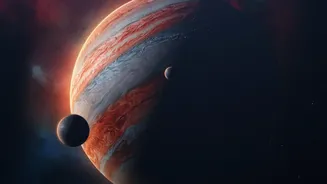
The first step in studying a distant world's atmosphere is a technique called the transit method. Imagine a moth flying in front of a bright streetlight; from a distance, you would see the light dim slightly. Astronomers look for a similar effect with
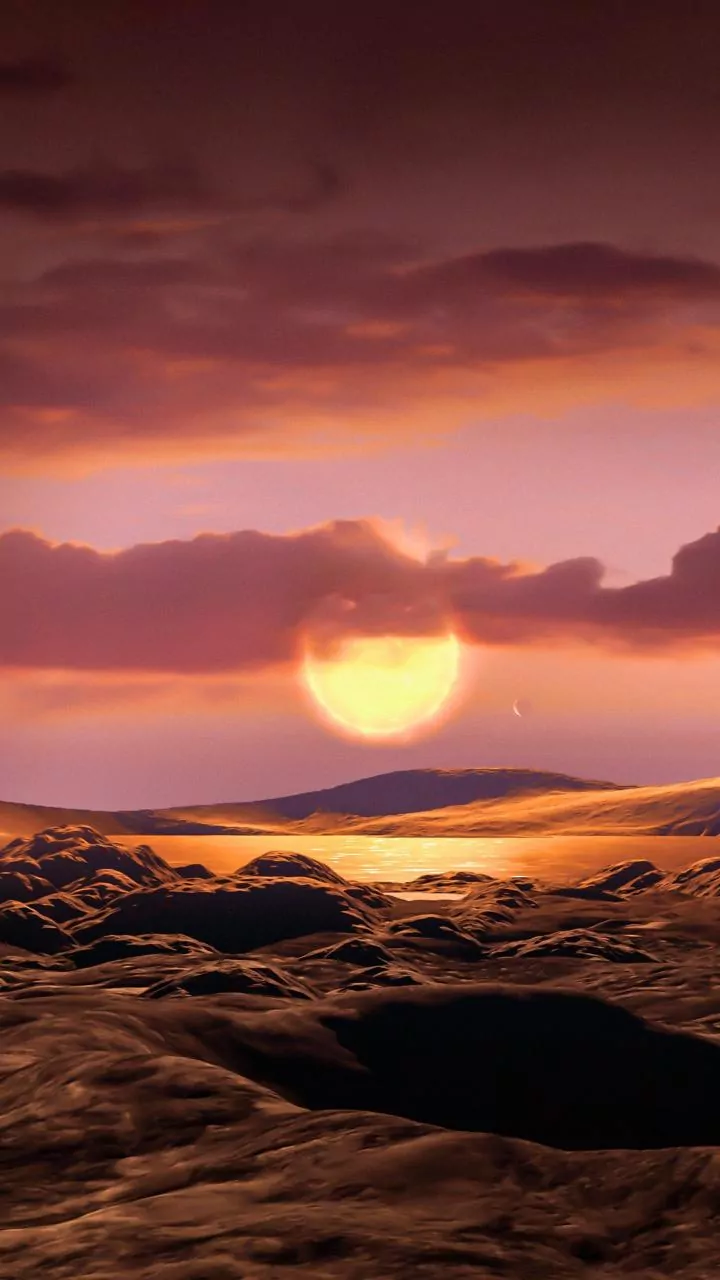
stars. When an exoplanet passes directly between its star and our telescopes, it blocks a tiny fraction of the starlight, causing a measurable dip in the star's brightness. This event, called a transit, not only confirms the planet's existence and helps determine its size, but it also creates the perfect opportunity to study its atmosphere. For that brief period, the starlight must filter through the planet's atmospheric edge to reach us.
Decoding the Starlight’s Barcode
The light that passes through the exoplanet's atmosphere carries hidden information. This is where a method called transmission spectroscopy comes into play. Think of it like shining a white light through a colored piece of glass; the light that comes out has changed. Similarly, as starlight passes through an atmosphere, different gases absorb very specific colors, or wavelengths, of light. Each gas has a unique absorption pattern, like a chemical fingerprint or a barcode. Telescopes equipped with spectrographs can split this starlight into a full spectrum—a rainbow of colors—and identify the dark bands where light is missing. By analyzing this pattern, scientists can determine which gases are present in the planet's atmosphere.
The Chemical Search for Life
Detecting an atmosphere is one thing, but knowing what to look for is the key to assessing habitability. Scientists search for 'biosignatures'—gases that, at least on Earth, are produced by life. Key biosignature gases include oxygen, methane, and carbon dioxide. The simultaneous presence of gases that shouldn't typically coexist, like methane and oxygen, can be a particularly strong indicator of biological activity because life constantly replenishes them. For example, on Earth, photosynthesis produces vast amounts of oxygen, a highly reactive gas that wouldn't remain abundant without a constant biological source. Other potential biosignatures, like dimethyl sulfide, are only known to be produced by life on our planet, making them exciting targets in the search.
Our Powerful Eyes in the Sky
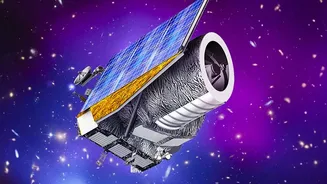
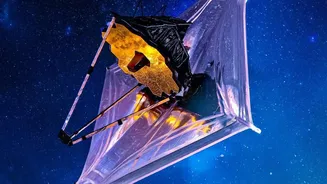
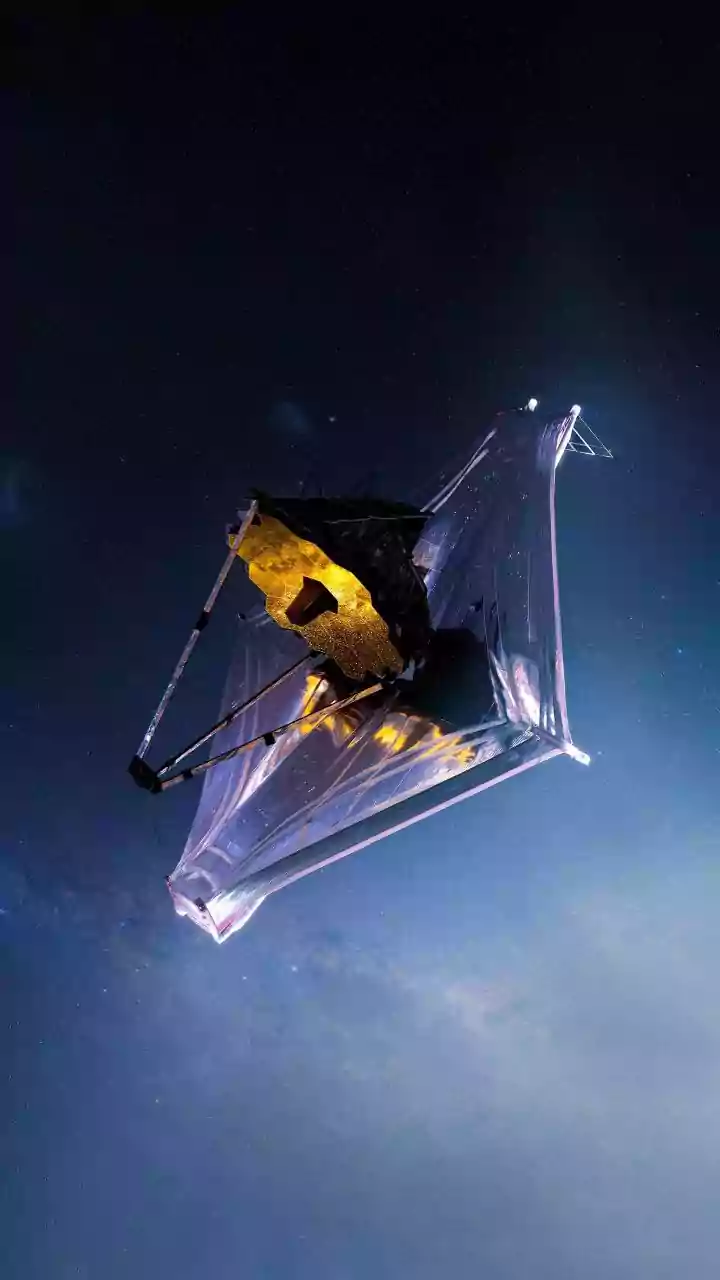
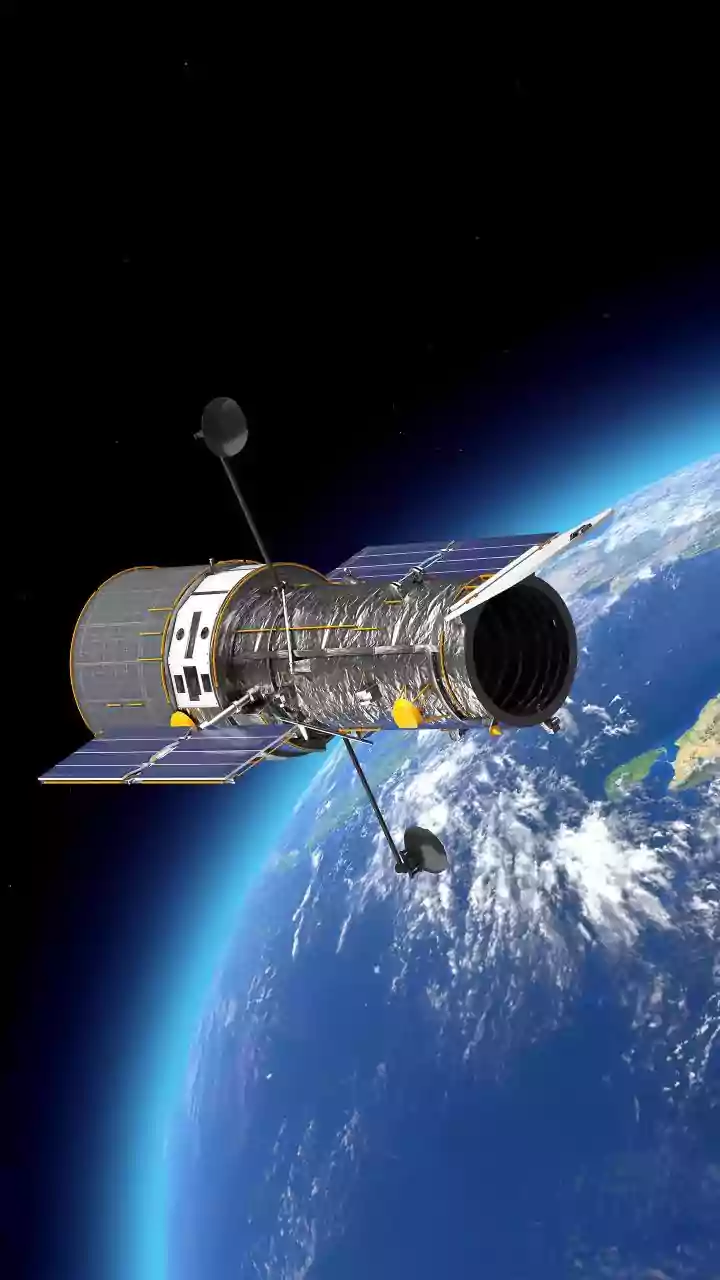
This advanced science is made possible by sophisticated space telescopes operating high above the distorting effects of Earth's own atmosphere. The Hubble Space Telescope pioneered many of these atmospheric observations, but the James Webb Space Telescope (JWST) has revolutionized the field. Launched in 2021, JWST is specifically designed to detect the faint infrared light that is ideal for this type of spectroscopy, allowing for unprecedented detail in its atmospheric measurements. JWST has already successfully identified gases like water vapor, carbon dioxide, and methane in the atmospheres of distant exoplanets, providing a rich new dataset for scientists to analyze. Future observatories, including giant ground-based telescopes, are being designed to push these capabilities even further.
A Puzzle with Missing Pieces
While the technology is powerful, the search for habitability is complex and full of challenges. A major hurdle is the risk of 'false positives,' where geological or chemical processes mimic the signs of life. For instance, abundant oxygen could be produced by non-biological processes under certain conditions, such as intense ultraviolet radiation from a star breaking down water molecules. Furthermore, the signals from the thin atmospheres of small, rocky planets are incredibly faint and difficult to detect. Scientists stress that finding a single biosignature gas is not proof of life. Instead, they must build a holistic picture by considering the planet's entire atmospheric context, including the presence and ratios of multiple gases, to build a convincing case for potential habitability.