







The Problem with 'Sleeping' Glutes
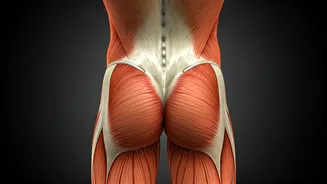
The term 'sleeping glutes' refers to gluteal amnesia, a condition where your glute muscles become underactive. Prolonged sitting is a primary culprit; it keeps the hip flexors in a shortened, tight position and tells the glutes they aren't needed. When
your glutes don't fire properly, other muscles have to compensate, particularly those in your lower back and hamstrings. [8] This compensation can lead to a cascade of issues, including lower back pain, hip instability, and even knee problems. [3, 6] Strong glutes are essential for proper pelvic alignment, supporting the spine, and powering movements like walking, climbing stairs, and standing up. [1, 5] Waking them up is the first step to restoring balance to your body.
Your Morning Fix: The Dynamic Bridge
The glute bridge is a simple yet powerful exercise that directly targets and activates all three gluteal muscles: the maximus, medius, and minimus. [21] Unlike a static hold, a dynamic bridge involves continuous movement, lifting and lowering the hips. This repetitive motion is excellent for building a strong mind-muscle connection, teaching your glutes to engage on command. Performing this exercise in the morning acts as a reset button after a long night of inactivity. It re-establishes correct movement patterns and ensures your glutes are ready to support you throughout the day, rather than letting other muscles take over. [25] It's a low-impact way to prepare your body for whatever activities lie ahead.
How to Perform a Perfect Dynamic Bridge
Proper form is crucial to ensure you're working the right muscles and protecting your back. Follow these steps for a perfect dynamic bridge. [19] Lie on your back with your knees bent and feet flat on the floor, about hip-width apart. Your heels should be close enough that you can almost touch them with your fingertips. Place your arms by your sides with your palms facing down. Before you lift, gently engage your core to keep your spine neutral. Exhale and press through your heels to lift your hips off the floor. Squeeze your glutes firmly at the top. Your body should form a straight line from your shoulders to your knees. [20] Avoid arching your back. Inhale as you slowly lower your hips back to the starting position with control. Perform 15 to 20 repetitions for three sets.
Common Mistakes to Avoid
To get the most out of your bridges, watch out for these common errors. The most frequent mistake is lifting the hips too high, which causes the lower back to arch. [2, 7] This shifts the work from your glutes to your spine and can cause discomfort. [4] Another common issue is feeling the exercise primarily in your hamstrings. If this happens, your feet are likely too far from your body; try bringing them a little closer to your glutes. [2, 9] Also, ensure you are pushing through your entire foot, not just your toes, to maintain a stable base and properly engage the posterior chain. [2] Finally, don't rush the movement. A slow, controlled pace, especially on the way down, maximizes muscle engagement and prevents momentum from doing the work.
Why Morning Glute Activation Matters
Starting your day with dynamic bridges offers unique benefits. It kick-starts your metabolism and increases blood flow to your muscles, helping you feel more awake and energized. More importantly, it primes your neuromuscular system. By firing up your glutes first thing, you are programming your body to use them correctly during daily activities like walking to the train, lifting groceries, or even just standing from your chair. [1, 23] This can significantly improve your posture and reduce the likelihood of developing compensatory pain in your back and knees throughout the day. [5, 21] Think of it as a pre-emptive strike against the negative effects of a sedentary lifestyle, setting you up for a day of stronger, more efficient movement.