






Start with Health and Registration
Your journey begins months before you take the first step on the trail. The Shri Amarnathji Shrine Board (SASB) mandates a strict registration process, which can be done online via their official website or offline at designated bank branches. Registration
is granted on a first-come, first-served basis and requires a Compulsory Health Certificate (CHC) from an authorized doctor. This is non-negotiable, as the trek ascends to nearly 13,000 feet, where oxygen levels are low. Pilgrims must be between 13 and 70 years old. Women who are more than six weeks pregnant are not permitted to undertake the yatra for safety reasons. Start a fitness routine at least a month in advance, including daily walks and breathing exercises like pranayama to prepare your body.
Choose Your Path: Baltal or Pahalgam
There are two primary routes to the holy cave: the traditional Pahalgam route and the shorter Baltal route. The Pahalgam route is longer, around 45-48 km, and takes 3-5 days to complete. It is known for its scenic beauty and gradual ascent, making it the recommended choice for first-time pilgrims, families, and those who want to soak in the Himalayan landscapes. The Baltal route is much shorter at about 14 km, which can be completed in a day or two. However, it is significantly steeper and more physically demanding, better suited for those who are very fit and short on time. Your choice will depend on your fitness level, available time, and desired experience.
Pack Smart and for All Weathers
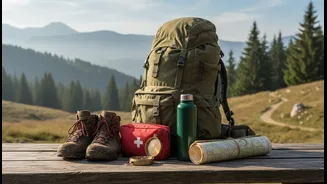
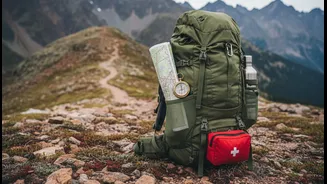
The weather in the Himalayas is notoriously unpredictable; you can experience sunshine, rain, and even snow in a single day. Layering is the most effective strategy. Pack thermal innerwear, a fleece jacket, and a waterproof, windproof outer jacket. Waterproof trekking shoes with a good grip are arguably your most important piece of gear; do not wear new shoes or slippers. Other essentials include woollen socks, gloves, a cap (a balaclava or monkey cap is ideal), and sunglasses. Keep your belongings in a waterproof backpack. It's also wise to carry a personal first-aid kit with medications for pain, altitude sickness, and any personal prescriptions.
On the Trail: Safety and Acclimatisation
Acute Mountain Sickness (AMS) is a serious risk. To prevent it, acclimatise properly by taking your time and not rushing the ascent. Walk at a steady pace, take regular breaks, and drink plenty of water—around 5 litres a day is recommended. Avoid alcohol, caffeine, and smoking, as they can worsen dehydration and AMS symptoms. Medical posts are located every couple of kilometres along the routes; if you feel dizzy, breathless, or develop a headache, descend to a lower altitude and seek medical help immediately. Always stick to the marked path, travel in a group, and ensure you have your mandatory RFID card visible at all times for tracking and safety.
Essentials for a Smooth Journey
Beyond clothing and fitness, a few small items can make a big difference. Carry a BSNL SIM card, as other prepaid networks may not work in the region. Have sufficient cash for expenses, as ATM access is limited. Pack energy-giving snacks like dry fruits, chocolates, and roasted channa. A small torch or headlamp with extra batteries is crucial, as is a power bank for your devices. Accommodation is available in tented camps, and free food is served at community kitchens (langars) along the way. Finally, respect the environment. The yatra area is ecologically sensitive, so carry your own garbage back and avoid using plastics.