




Why Garden in the Monsoon?
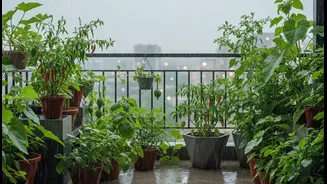
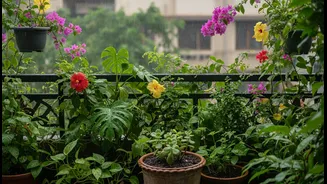
The monsoon season is nature’s growth spurt. The naturally soft rainwater, high humidity, and moderate temperatures create ideal conditions for many plants to flourish. For urban dwellers, this season offers a unique opportunity to connect with nature and cultivate
a slice of green amidst the concrete. A balcony garden is more than just a hobby; it's a source of fresh, pesticide-free produce, a stress-buster, and a way to make your home feel like a green sanctuary. The joy of snipping fresh coriander for a garnish or a fiery chilli for your dal is a rewarding experience that integrates gardening into your daily life.
Choosing Your Monsoon Champions
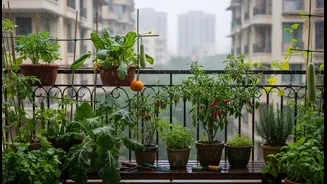
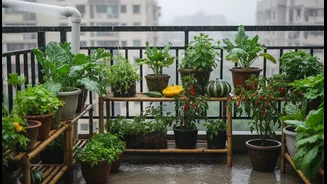
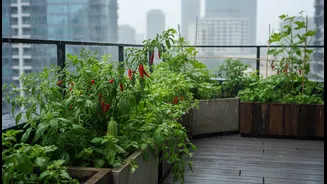
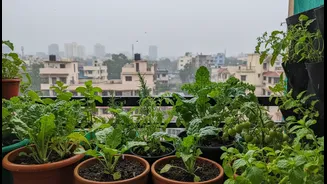
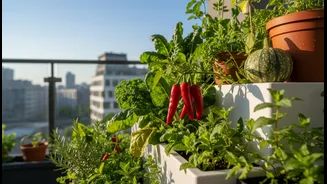
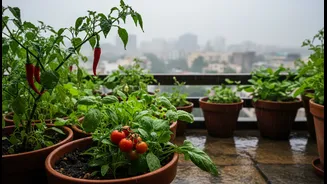
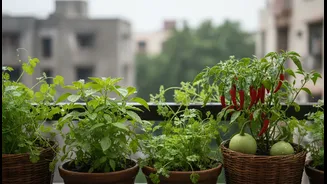
Success starts with selecting the right plants. Not all plants love the relentless dampness, but many thrive. For a monsoon balcony, focus on crops that appreciate the humidity. Leafy greens like spinach (palak), amaranth (chauli), and fenugreek (methi) grow quickly and can be harvested multiple times. Gourds are undisputed monsoon heroes; varieties like bitter gourd (karela) and ridge gourd (turai) grow vigorously, though they will need a trellis or railing to climb. No Indian kitchen garden is complete without chillies and brinjals (eggplant), both of which do surprisingly well in pots during this season. And for everyday flavour, herbs like mint (pudina) and holy basil (tulsi) are must-haves that flourish in the monsoon air.
The Right Foundation: Pots and Soil
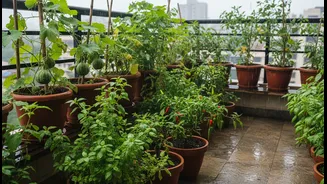
For a balcony, especially for renters, lightweight containers like grow bags or plastic pots are ideal. Whatever you choose, ensure it has ample drainage holes at the bottom. This is the single most important rule for monsoon gardening. To prevent waterlogging, you can even elevate pots on bricks or a small stand. The soil itself must be light and well-draining, not heavy garden soil which will compact and drown the roots. A perfect mix combines soil, compost (for nutrients), and something to improve aeration and drainage, like coco peat or perlite. This ensures that even during a downpour, your plant's roots can breathe.
Monsoon Care and Protection
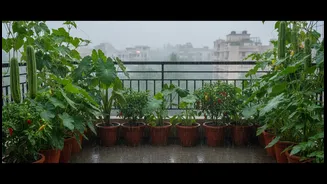
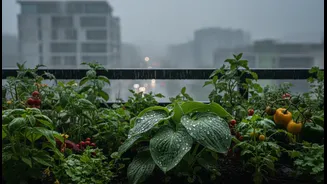
Monsoon gardening is a balancing act. While the rain provides free water, too much of it can be a problem. On days of heavy, continuous rain, consider moving smaller pots to a sheltered corner or against a wall. Never water your plants if the top inch of soil feels damp; overwatering is a major risk and can lead to root rot. The high humidity also invites fungal diseases. Ensure good air circulation by not overcrowding your plants. A preventative spray of diluted neem oil every couple of weeks can help keep pests and diseases at bay. For climbers like gourds, provide a sturdy support structure early on to prevent winds from damaging the vines.
From Balcony to Plate: The Joy of Harvest
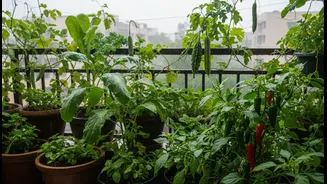
The ultimate reward of your micro-garden is enjoying the harvest. Imagine the satisfaction of plucking a few green chillies for a tadka, fresh mint for your evening chai, or a handful of spinach for a morning smoothie. This direct connection to your food source changes how you cook and eat. It encourages seasonality and reduces waste. Harvesting regularly also promotes further growth in many plants. Your small balcony doesn't just become a garden; it becomes an extension of your kitchen, providing fresh flavours and a deep sense of accomplishment with every meal.