





From Hobby to Status Symbol
For years, stargazing was the quiet domain of amateur astronomers and science clubs. But as urban and suburban skies have grown brighter, washing out all but the moon and a few dozen stars, the simple act of seeing a galaxy with your own eyes has become
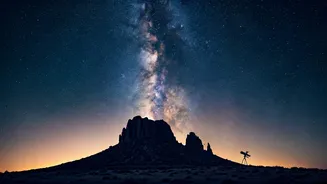
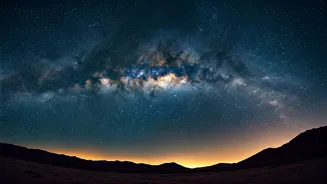
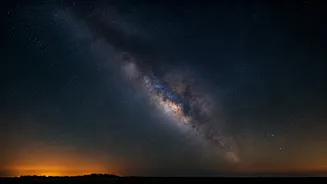
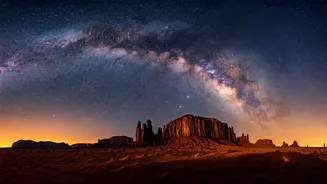
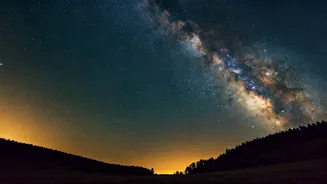
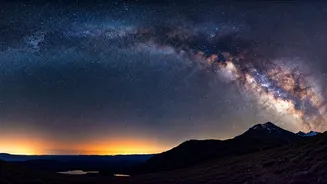
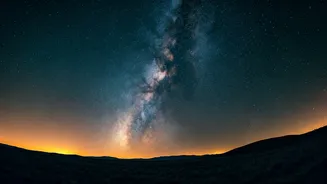
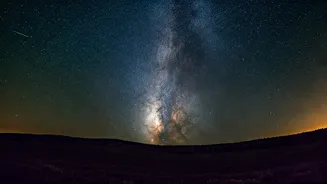
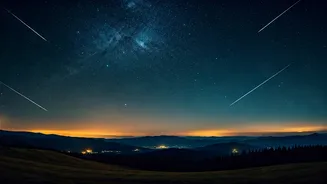
a rare and coveted experience. This scarcity has given birth to a new travel trend: astrotourism. It involves travelling to destinations with minimal light pollution specifically to witness the cosmos in its full glory. It’s more than a hobby; it’s an adventure and, increasingly, a 'flex'—a way to signal a commitment to unique, meaningful experiences over material possessions.
The Anatomy of the Flex
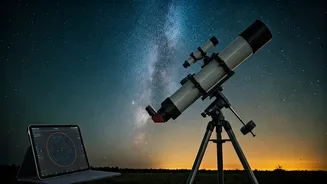
So, what makes dark-sky hunting a status symbol? First, there's the exclusivity. The world's darkest skies are often found in remote, hard-to-reach places, from high-altitude deserts to isolated islands. Reaching them requires effort and planning. Then there's the gear. While you can start with just your eyes, the culture around astrophotography involves sophisticated cameras and telescopes to capture and share breathtaking images of the Milky Way or distant nebulae. Finally, it's about knowledge and connection. It’s about escaping the city's glow to find a sense of awe and perspective, a feeling many now see as a form of wellness retreat.
India’s Celestial Sanctuaries
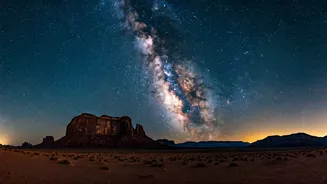
India, with its vast and varied landscapes, is emerging as a prime destination for astrotourists. The crown jewel is the Hanle Dark Sky Reserve in Ladakh, India's first officially designated sanctuary against light pollution. Located at an altitude of 4,500 metres, its dry, clear air offers unparalleled views of the cosmos. After being designated a reserve in 2022, tourist numbers surged, demonstrating a growing appetite for celestial experiences. Other hotspots include the starkly beautiful Spiti Valley, the salt flats of the Rann of Kutch which reflect the stars, and even quieter spots in Coorg and the Andaman Islands.
A Movement to Protect the Night
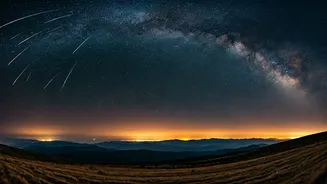
The rise of dark-sky hunting is intrinsically linked to a growing awareness of light pollution. More than 80% of the world's population lives under light-polluted skies, which not only obscures our view of the universe but also disrupts ecosystems and can affect human health. Organizations like DarkSky International work to protect the night by certifying 'Dark Sky Places'—parks and communities committed to responsible lighting. India has embraced this, with Pench Tiger Reserve in Maharashtra becoming the country's first Dark Sky Park. These initiatives are turning local communities into stakeholders, with villagers trained as astronomy guides, creating a sustainable model of tourism.
How to Start Your Hunt
You don't need to be a professional astronomer to join the hunt. The first step is simply to get away from city lights during a new moon for the darkest possible sky. Apps like Stellarium can help you identify what you're seeing. While a telescope is a great tool, a good pair of binoculars is an excellent and portable starting point for viewing craters on the moon or the moons of Jupiter. But the most essential tool is patience. It takes about 20-30 minutes for human eyes to fully adapt to the dark, revealing thousands of stars that were invisible at first glance.