



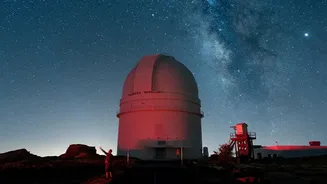
Hanle, Ladakh: India's Official Dark Sky Reserve
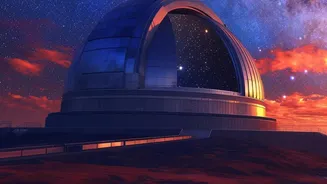
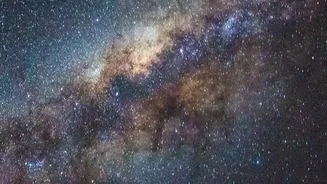
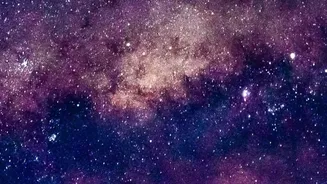
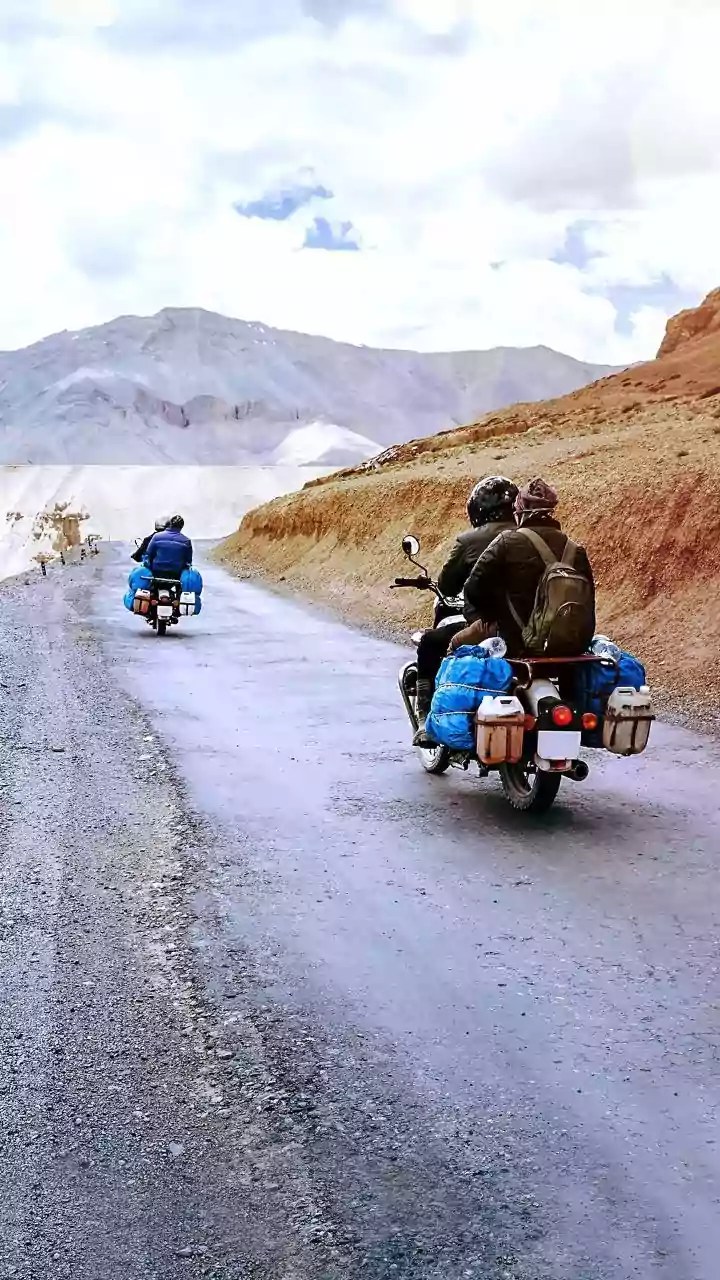
For the ultimate stargazing experience, Hanle is unparalleled. Nestled in Ladakh's remote Changthang region, it is home to India’s first and only officially designated Dark Sky Reserve. The combination of high altitude (around 4,500 metres), bone-dry
air, and near-zero light pollution results in exceptionally clear skies. This is why the Indian Astronomical Observatory is located here. On a moonless night, the Milky Way is so brilliant it feels almost within reach. The best part is the community involvement; local villagers have been trained as 'Astronomy Ambassadors' to guide visitors, making your trip a sustainable venture that supports the local economy. The best months to visit are from May to October for clear skies and manageable road access.
Spiti Valley, Himachal Pradesh: A High-Altitude Desert Canvas
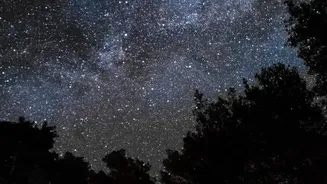
Often called the crown jewel of Indian stargazing, Spiti Valley is a cold desert mountain region that offers some of the darkest skies in Asia. Its high altitude, averaging over 3,800 metres, lifts you above the thickest parts of the atmosphere, providing a crystal-clear window to the stars. Villages like Kibber, Kaza, Langza, and Komic are prime spots, with minimal light pollution and wide-open landscapes. During the summer months, from June to September, the core of the Milky Way is spectacularly visible to the naked eye. The stark, barren mountains create a dramatic foreground for astrophotography, making it a favourite for both amateur and professional photographers. Plan your trip around a new moon for the darkest possible conditions.
Rann of Kutch, Gujarat: A Universe on a Salt Canvas
The Great Rann of Kutch offers a stargazing experience that is utterly unique. This vast, flat expanse of white salt desert provides an uninterrupted 360-degree view of the horizon. Far from major cities, its skies are exceptionally dark. The magic happens during the dry winter months, from November to February, which coincides with the Rann Utsav festival. On a new moon night, the sky is a dense blanket of stars. On a full moon night, the landscape transforms into an ethereal spectacle as the moonlight reflects off the white salt, creating a surreal, glowing desert. Lying on the cool salt crust under a dome of stars is an experience that feels otherworldly.
Pangong Tso, Ladakh: Stars Reflected in a Himalayan Jewel
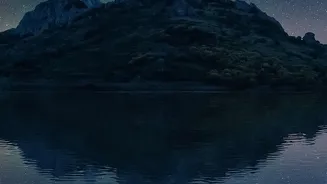
While famous for its stunning turquoise waters, Pangong Tso transforms into an astronomer's paradise after sunset. Located at an altitude of over 4,300 metres, the high-altitude lake is surrounded by mountains that shield it from any stray light, ensuring profoundly dark skies. Between June and September, the Milky Way arches dramatically over the landscape. The real spectacle occurs on calm, clear nights when the lake's still surface creates a perfect mirror, reflecting the star-studded cosmos. This creates a breathtaking illusion of being suspended in space. Several campsites around the lake offer overnight stays, allowing you to witness this magical transition from sunset to a star-filled night.
Coorg, Karnataka: A Southern Starry Escape
For those in South India, the rolling hills and coffee plantations of Coorg (Kodagu) offer a wonderful escape from city lights. While not as high or remote as Himalayan locations, regions around Madikeri and peaks like Tadiandamol offer clear, dark skies, especially during the dry season from October to May. The elevation and distance from urban centres provide a significant reduction in light pollution. Several homestays and resorts, nestled deep within plantations, are perfect bases for a night of casual stargazing. Some organisations even host guided sessions with telescopes, making it an accessible destination for families and beginners.
Katao, Sikkim: The Unexplored Eastern Frontier
A lesser-known gem in India's astrotourism circuit, Katao in North Sikkim is an offbeat destination for those seeking pristine skies. Often compared to the landscapes of Ladakh, this high-altitude area (around 15,000 feet) is remote and sparsely populated, ensuring minimal light pollution and a crystal-clear view of the cosmos. The best time to visit is from October to March, when the post-monsoon air is crisp and dry, offering optimal viewing conditions. Its tranquility and uncrowded nature make it an ideal spot for a peaceful night spent under a blanket of stars, with the snow-capped Himalayan peaks providing a majestic backdrop.