


The Philosophy: Hygge Meets Wabi-Sabi
Before you move a single piece of furniture, it helps to understand the heart of Japandi. This hybrid style is a beautiful conversation between two design philosophies. From Scandinavia, it borrows *hygge* (pronounced hoo-gah), the Danish concept of cozy
contentment, warmth, and well-being. Think soft blankets, warm lighting, and a general feeling of comfort. From Japan, it takes *wabi-sabi*, the appreciation for imperfect, impermanent, and natural beauty. This means valuing craftsmanship, asymmetry, and the story behind an object. Together, they create a style that’s clean but not cold, minimalist but not empty. It’s about creating a sanctuary that is functional, beautiful, and deeply personal.
Build a Calm and Earthy Palette
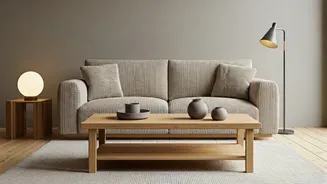
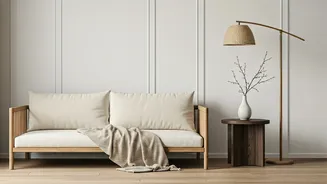
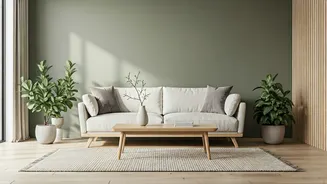
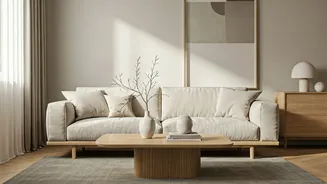
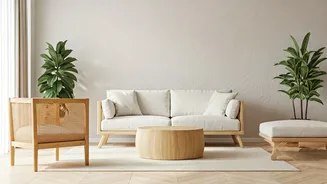
Japandi design begins with a foundation of calm. Forget stark whites and harsh primary colors. The palette is pulled from nature: muted tones of stone grey, soft beige, creamy off-white, and earthy brown. The Scandinavian influence encourages light-filled spaces, while the Japanese side brings in richer, deeper earth tones. To achieve this, start with your walls. A warm white or a soft, mushroomy greige can instantly make a space feel larger and more serene. Then, layer in contrast. If your sofa is a light linen, consider a darker charcoal rug or cushions. This contrast adds visual interest without creating chaos, a key principle in both Japanese and Scandinavian design.
Embrace Natural, Tactile Materials
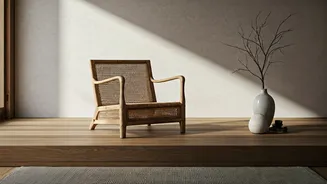
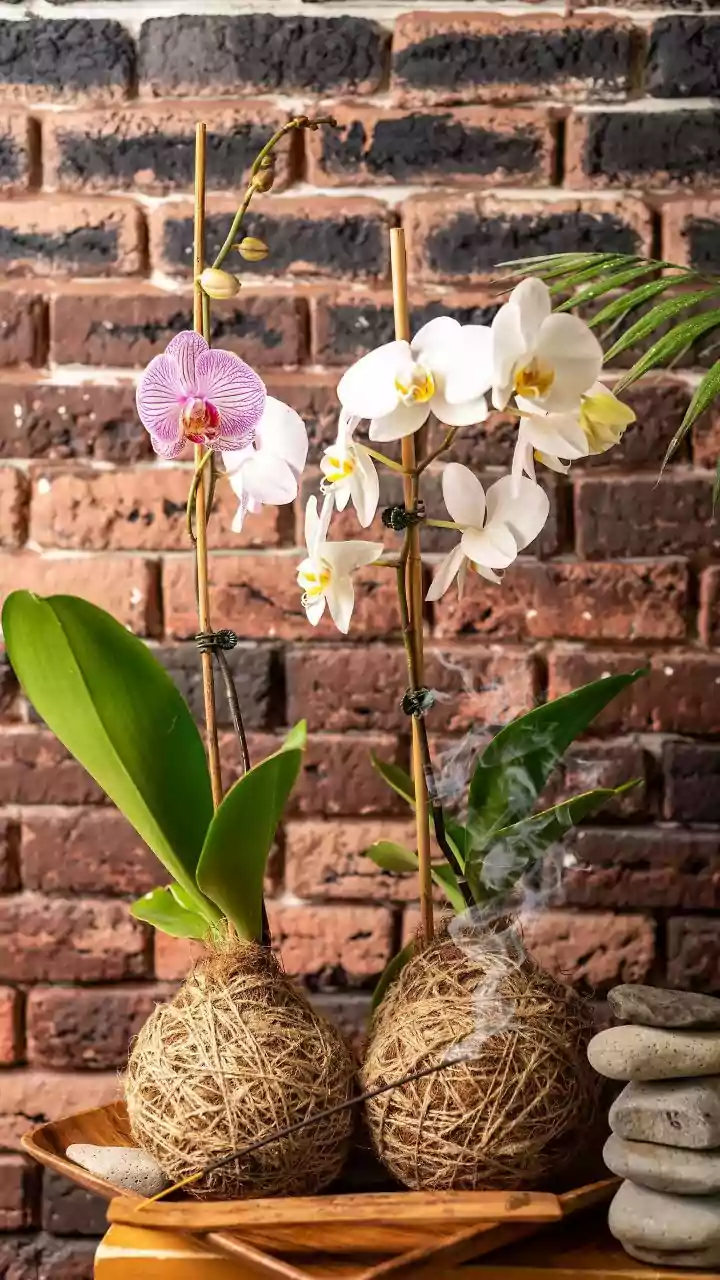
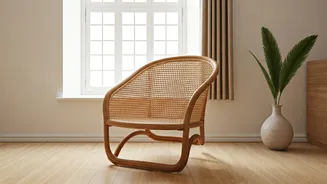
This is where the magic of Japandi truly shines, offering a perfect opportunity to blend global influences. The style is defined by its love for natural materials. Mix light Scandinavian woods like ash, maple, or light oak with the darker, more elegant woods common in Japanese design, such as walnut or stained teak. Don’t stop at wood. Introduce other natural textures like rattan, bamboo, jute, and paper—think a classic Akari paper lantern. To bring in a touch of Indian heritage, consider pieces made from sustainable mango wood or a hand-woven jute rug. These materials add warmth, texture, and an organic feel that prevents the minimalist aesthetic from feeling sterile.
Choose Furniture with Purpose and Grace
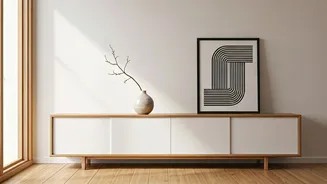
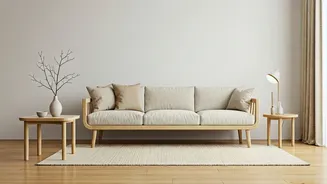
In a Japandi home, every piece of furniture earns its keep. The focus is on clean lines, high-quality craftsmanship, and functionality. Look for pieces with simple silhouettes and a low profile, which is characteristic of traditional Japanese furniture and helps create a feeling of openness. A simple platform bed, a sleek credenza, or a sofa with clean, straight lines are all excellent choices. Quality over quantity is the mantra. Instead of filling a room with many small, cheap items, invest in a few well-made pieces that you truly love and that serve a clear purpose. This intentional approach reduces clutter and fosters a sense of calm and order.
Layer Textiles for Cozy Warmth
Textiles are how you infuse the *hygge* into your wabi-sabi space. While the furniture and palette are clean and controlled, the fabrics are where you can indulge in comfort. Think plush wool throws, soft linen curtains that gently diffuse light, and comfortable cushions in materials like velvet or bouclé. This is also the perfect place to introduce pattern and personality. A classic Scandinavian-patterned cushion can work beautifully, but for a unique fusion, consider Indian textiles. A hand-loomed dhurrie rug with a geometric pattern in a muted colorway can ground the entire room. A few cushions made from block-printed fabric or a light Kantha quilt draped over a chair add a layer of history and craft that feels right at home in a Japandi interior.
Accessorize with Intention and Soul
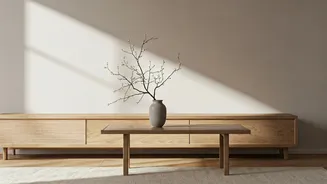
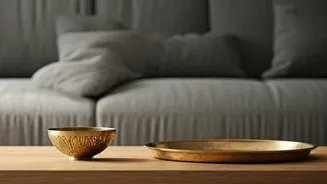
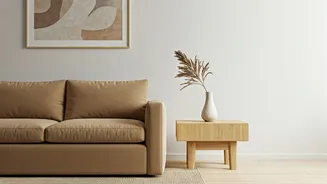
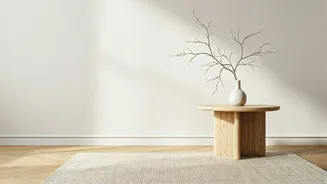
Accessorizing in a Japandi home is an act of curation, not collection. This is where the wabi-sabi principle of finding beauty in imperfection is most evident. Decorate with a few carefully chosen items that have meaning. This could be a piece of handmade pottery with a beautifully imperfect glaze, a single dramatic branch in a simple vase, or art that speaks to you. To weave in an Indian touch, think sculpturally. A vintage brass pot (*urli*) filled with water and floating a few petals can be a stunning, serene centerpiece. A small, intricately carved wooden panel hung as a single piece of art adds texture and story without creating clutter. The goal is to create small moments of beauty that draw the eye and fill the soul.