





Master the Art of Booking Flights
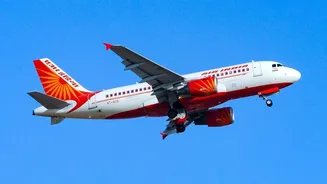
Your flight is often the biggest holiday expense, but strategic booking can yield significant savings. Flexibility is your greatest asset. Flying midweek is often cheaper than on weekends. Travelling during the 'shoulder seasons'—the months just before
or after a destination's peak period, like September or October—can cut costs dramatically. Use powerful flight comparison tools like Google Flights to track prices and set up alerts for your desired route. Sometimes booking several months in advance secures the best rate, especially for international travel, but don't book too early; the sweet spot is often two to six months out. Also consider flying into a larger, more competitive airport and taking a regional train or bus to your final destination, a tactic that can unlock substantial savings.
Choose Your Destination Wisely
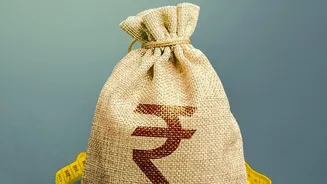
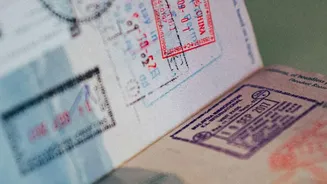
If your dates are fixed, be flexible with your destination. Let the deals guide you. Some parts of the world offer incredible value, making the high cost of getting there more manageable. Southeast Asia remains a top choice for Indian travellers, with countries like Vietnam, Thailand, and Nepal offering very low daily living costs. In Vietnam, for instance, a delicious meal can cost less than ₹150. Beyond Asia, destinations like Georgia have become more accessible with direct flights and affordable local prices, where a full dinner with wine might only set you back ₹600. Also, consider countries where Indian citizens can travel without a visa, such as Nepal, which eliminates application fees and associated hassles.
Rethink Your Accommodation
After flights, lodging is the next biggest budget item. While hotels are convenient, vacation rentals like Airbnb or Vrbo can offer more space and better value, especially for families or groups. Having a kitchen allows you to prepare your own breakfast and pack lunches, drastically reducing food expenses. For solo travellers or those on a tighter budget, hostels have evolved far beyond basic dorms, now offering private rooms and a social atmosphere. Another clever trick is to book overnight trains or flights for long-distance journeys; this saves you the cost of a night's accommodation while also saving precious daylight hours.
Save on Daily Expenses
Small daily costs can quickly add up. To save on food, eat like a local. Restaurants in tourist-heavy areas are often overpriced; walking just a few streets away can lead you to authentic, affordable meals. Exploring local markets is not only a great cultural experience but also a source of cheap and delicious street food. For getting around, embrace public transportation. Metro systems and buses are almost always cheaper than taxis or ride-sharing services. Many cities offer multi-day travel passes that provide excellent value. Finally, manage your money smartly. Using a multi-currency card can help you avoid high exchange rates and foreign transaction fees.
Pack Smart to Avoid Extra Fees
With airlines becoming stricter on luggage allowances, packing light is more important than ever. Many budget carriers charge extra for checked baggage, a fee that can sometimes rival the cost of the ticket itself. Challenge yourself to pack everything into a carry-on. This not only saves money but also time at the airport, as you can skip the baggage claim carousel. If you must check a bag, be sure to weigh it at home to avoid costly excess baggage fees at the check-in counter. This simple step ensures there are no expensive surprises when you begin your journey.