






Why Fruit Choices Matter More in Monsoon
The rainy season, while refreshing, creates a humid environment perfect for bacteria and fungi to thrive. This increased microbial activity means that fruits, especially those with high water content or broken skin, can get contaminated easily. The risk
isn't just external; our digestive system tends to slow down during this season, making us more susceptible to bloating, indigestion, and stomach infections. Furthermore, waterborne diseases are more prevalent, and contaminated water used to wash fruits at markets can transfer pathogens. Therefore, being selective about the fruits you eat and how you prepare them is a crucial first step towards staying healthy and energetic throughout the season.
Best Fruits to Enjoy This Season
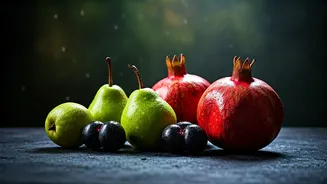
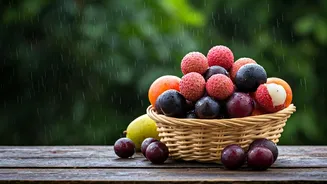
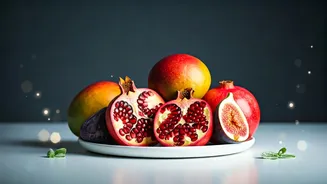
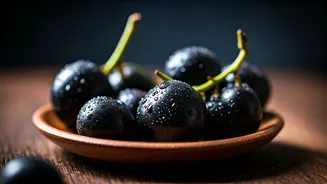
Focusing on seasonal, immunity-boosting fruits is a winning strategy. Jamun, or the Indian blackberry, is a quintessential monsoon fruit celebrated for its ability to improve digestion and regulate blood sugar. Rich in iron and vitamin C, it helps purify the blood and maintain oral health. Pears are another excellent choice; high in fibre, they aid digestion and their crisp texture is incredibly refreshing. Plums (Aloo Bukhara), packed with antioxidants and vitamin C, help fight infections and are low in calories. Other beneficial fruits include pomegranates, whose thick skin protects them from contamination, and cherries, which are rich in antioxidants and anti-inflammatory properties. Apples and peaches are also considered safe and healthy options.
Fruits to Approach with Caution
Some fruits, though healthy, pose a higher risk during the monsoons. Watermelons and muskmelons, due to their high water content, can spoil quickly and become breeding grounds for bacteria if not handled properly. It is generally advised to limit fruits with high water content during this season. Grapes, with their thin skin and tight bunches, can be difficult to clean thoroughly and may retain pesticide residue and fungal spores. Similarly, delicate berries like strawberries can absorb moisture easily, making them prone to mould. It's also wise to be cautious with late-season mangoes, as they might be artificially ripened. The biggest rule of thumb is to avoid any pre-cut fruits from street vendors, as the risk of contamination from exposure and unclean water is extremely high.
Golden Rules for Monsoon Fruit Consumption
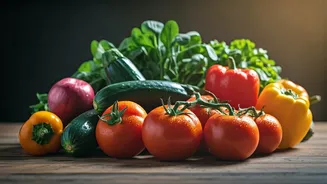
Regardless of the fruit, proper hygiene is non-negotiable during the monsoon. Always wash your hands thoroughly before handling produce. Fruits should be washed under clean, running water right before you plan to eat them, not stored after washing. For firm fruits like apples and pears, you can use a clean vegetable brush. A good practice is to soak vegetables and fruits in a water solution with a bit of salt or vinegar for about 10 minutes to help remove germs, larvae, and residue. Rinse them well afterwards. Always peel fruits when possible and avoid eating any that have bruises or broken skin. Opt for whole fruits over juices, and if you must have juice, prepare it at home to ensure it's fresh and hygienic.