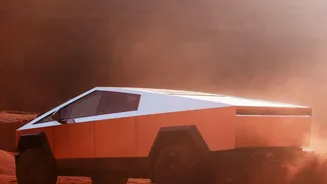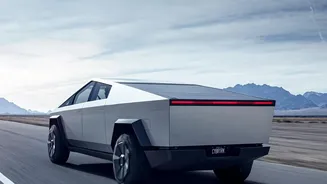

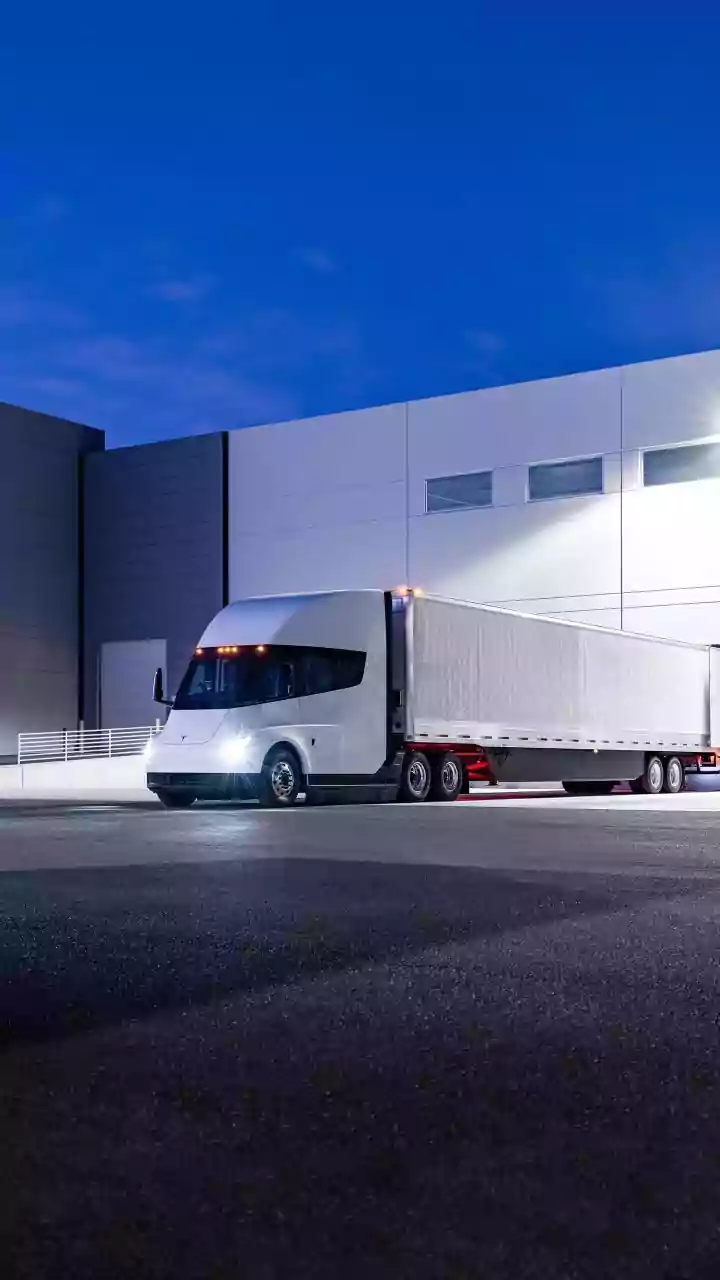



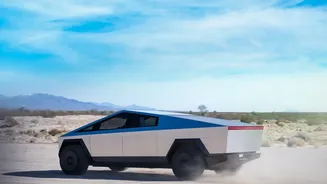

Tesla's Cybertruck has been granted a brief extension, with production now set to run through summer 2027. But this isn't another delay for new buyers—it's a short reprieve before the controversial electric pickup's production ends for good.
A Reprieve, Not a Revival
In a surprise
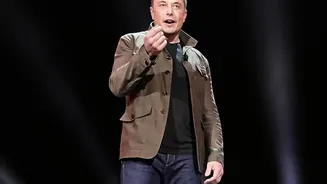
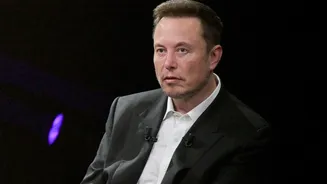
announcement on November 11, Tesla CEO Elon Musk confirmed that the Cybertruck's production would continue through the end of summer 2027. This news, however, was not the lifeline many reservation holders were hoping for. Instead of signaling a long-term commitment, the extension is a minor pushback of a previously announced plan to terminate production entirely. Just days earlier, Musk had stated the production line would wind down around the middle of 2027. The new, slightly later end date is an attempt to work through a fraction of the vehicle's massive order backlog. Acknowledging the unusual nature of the move, Musk noted it was not a smart decision from a 'profit-maximizing standpoint' but that there 'must be some room in this world for sentimentality'.
The Beginning of the End
The context for this extension is a dramatic strategic pivot by Tesla. In early November 2026, Musk announced that the company would be winding down Cybertruck production to free up factory space at its Gigafactory in Texas. The reason? To make room for the Cybercab, a purpose-built, autonomous robotaxi that represents a key part of Tesla's future. The decision marked a sudden end for one of the most talked-about vehicles in recent memory. After a troubled and delayed journey to market, the Cybertruck will have a production life of less than four years, a remarkably short run for any vehicle, let alone one that generated millions of reservations and worldwide headlines.
A History of Hype and Hurdles
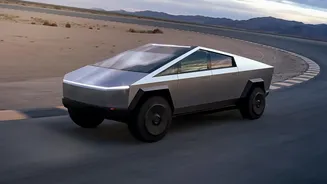
The Cybertruck's story has always been defined by immense hype and significant obstacles. Unveiled in a now-infamous 2019 event where its 'unbreakable' windows shattered on stage, the truck's radical, stainless-steel design promised to upend the automotive world. Originally slated for a 2021 launch, it faced numerous delays related to its unconventional manufacturing process. Musk himself admitted, 'We dug our own grave with Cybertruck', acknowledging the immense difficulty in scaling its production. When deliveries finally began in late 2023, the pricing was significantly higher than first promised, and the vehicle struggled to meet initial sales projections. With sales falling well short of the once-predicted 250,000 units per year, the writing was on the wall long before the official announcement.
What About the Order Backlog?
The core reason for the production extension is the immense number of outstanding orders. However, even with the extra few months, the vast majority of reservation holders will not receive their vehicle. Musk has been clear that Tesla's production rate cannot meet the demand and that the company will have to return deposits 'for a lot of people'. To simplify its final production run, Tesla has already discontinued the lower-priced All-Wheel Drive trims, offering only the top tier 'Cyberbeast' model. This leaves hundreds of thousands of early supporters, many of whom placed deposits years ago, with a refund and a story to tell, but no truck to show for their patience.
Pivoting to a Robotaxi Future
The Cybertruck's demise is a casualty of Tesla's evolving vision. The company is increasingly prioritizing its ambitions in artificial intelligence, robotics with its Optimus humanoid robot, and autonomous transportation. The Cybercab is central to this plan. By freeing up valuable factory floor space currently dedicated to the complex and difficult to build Cybertruck, Tesla aims to accelerate the production of its robotaxi fleet. This strategic shift indicates that the company sees its future less in selling unique consumer vehicles and more in operating a high margin, autonomous transportation network. The discontinuation of the Model S and Model X in early 2026 further underscores this profound change in direction, leaving the Model 3 and Model Y as its core consumer offerings.