







An Uneven and Anxious August
The story of the 2026 southwest monsoon is one of dramatic swings. A dry June gave way to a much wetter July, allowing farmers to catch up on sowing. However, August has brought fresh anxiety. The India Meteorological Department (IMD) had forecast a 'below
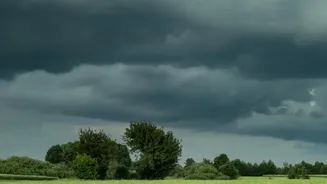
normal' August, with rainfall potentially less than 94% of the long-period average. This is worrying because August is when many Kharif crops, which are planted in summer, enter their peak growth phase. While a low-pressure area has brought heavy rain to eastern states like Odisha and West Bengal, other key agricultural belts in western and southern India are bracing for reduced rainfall over the next couple of weeks. This patchy distribution is the core of the problem; a good national average can hide severe regional deficits that put millions of livelihoods at risk.
Which Crops Are Most Vulnerable?
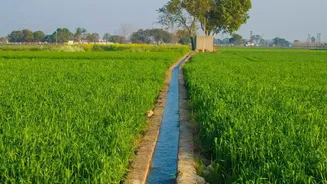
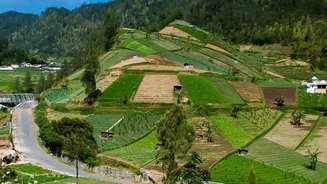
The timing of this monsoon 'break' could not be worse for several key crops. Paddy (rice), the largest Kharif crop, is a major concern. As of August 14, rice acreage was already trailing last year's numbers by about 3.7%. Many rice-growing regions depend on consistent rain for transplanting and growth, and a dry spell now could stunt the crop. Soybeans, another crucial crop, are also at a sensitive stage where continued moisture is needed for flowering and pod formation. Other important crops like pulses (tur, moong), maize, and cotton are also under watch. While overall Kharif sowing as of mid-August was only about 2% behind the previous year, the final harvest size now depends entirely on crop yields, which are directly threatened by these dry spells. A prolonged period of moisture stress can severely impact productivity.
A Tale of Two Indias
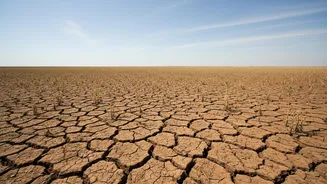
The rainfall map of India this season shows a starkly divided picture. On one hand, a low-pressure system is expected to bring widespread, heavy rainfall to eastern states like Jharkhand, Odisha, and West Bengal, and also trigger rain in parts of Uttar Pradesh and the Himalayan region. On the other hand, significant deficits persist elsewhere. As of early August, states like Bihar (-38%), Punjab (-33%), and large parts of southern India like Coastal Andhra Pradesh (-35%) and Kerala (-22%) were facing major shortfalls. Satellite imagery shows that drought stress is affecting a large percentage of India's agricultural area, with some analyses suggesting over 60% is impacted. This disparity means that while some farmers are dealing with potential floods, others are looking at drying fields and deciding whether to use precious groundwater for life-saving irrigation.
The Economic Ripple Effect
Why does this matter beyond the farm? Nearly half of India's farmland is rain-fed, making the monsoon a critical driver for the entire economy. A poor Kharif harvest can have a domino effect. It directly hurts the incomes of millions of rural households, which in turn weakens demand for everything from tractors to consumer goods. Furthermore, lower production of essential food grains and vegetables can lead to a spike in food inflation, a headache for both the government and household budgets. The performance of the monsoon is closely watched by economic planners and the Reserve Bank of India, as it influences everything from GDP growth to monetary policy decisions. The government has contingency plans for districts vulnerable to the impacts of El Niño, the climate pattern partly blamed for this year's weaker monsoon.