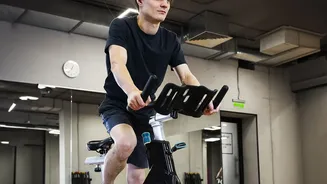







The city wakes with a jolt: horns blaring, deadlines looming, and a current of stress in the air. But what if you could build a personal oasis of calm and energy before the day’s chaos even begins? For many, the answer is a bicycle.
The Science of a Stress-Free Start
An early morning bike
ride is more than just a pleasant way to see the city; it’s a powerful tool for managing your body's stress response. Regular, moderate cycling helps lower your baseline levels of cortisol, the body’s primary stress hormone. While exercise temporarily raises cortisol to provide energy, consistent morning workouts help regulate your natural circadian rhythm. Studies show that long-term morning exercise can decrease cortisol levels after waking, setting a calmer tone for the entire day. This rhythmic, low-impact activity acts as a form of moving meditation, allowing your mind to focus on the simple act of pedaling and breathing, which interrupts cycles of anxious thoughts.
Unlocking a Natural Energy Boost
Forget reaching for that third cup of coffee to fight the afternoon slump. A morning cycling routine provides a more sustainable source of energy. The physical exertion increases blood flow and oxygen to your brain and muscles, enhancing cognitive function, mental clarity, and focus. This boost in circulation activates your endocrine system, providing a natural surge of energy that lasts. Furthermore, cycling helps stabilize blood sugar levels, preventing the energy crashes often associated with a sedentary morning or high-sugar breakfast. Research has found that people who engage in moderate exercise experience less daytime fatigue and greater overall energy. Just 30 minutes of cycling can improve your aerobic capacity and stamina, making you feel more energetic throughout the day.
The Mental Reset Button
City life is an assault on the senses. The constant noise and visual clutter can lead to mental fatigue. Cycling through quiet morning streets offers a profound mental reset. It stimulates the release of 'feel-good' neurotransmitters like endorphins, serotonin, and dopamine, which significantly improve your mood. This chemical cocktail creates what many riders call a 'cycling high', leaving you feeling more optimistic and emotionally resilient. This state of focused attention, often called a 'flow state', provides a break from daily worries and promotes a sense of accomplishment and control, boosting self-esteem. Even a short ride of 20-30 minutes can elevate your mood for hours afterward.
Tips for Starting Your Urban Cycling Routine
The thought of navigating city streets can be intimidating, but getting started is easier than you think. First, almost any bike will do for a beginner. You don't need a top-of-the-line model to reap the benefits. The key is consistency, not intensity. Plan your route in advance, utilizing quieter residential streets or dedicated bike lanes that many cities now map out. If a full commute is too daunting, try a 'mixed-mode' approach by cycling to a train or bus station. To build the habit, start small. Commit to just one or two mornings a week. You’ll soon find the quiet solitude and energizing effects become something you look forward to, a welcome ritual to reclaim your day before it has a chance to overwhelm you.