






The New Lunar Gold Rush
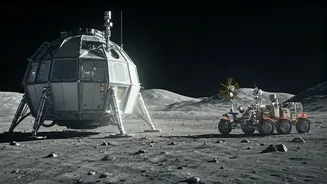
The dream of a permanent human presence on the Moon is taking a significant leap forward, but it won't be government-built rockets and landers alone making the journey. In a decisive pivot, NASA is entrusting key parts of its ambitious Moon Base program
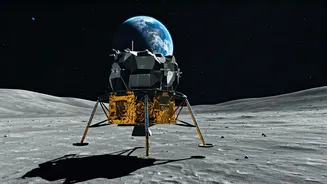
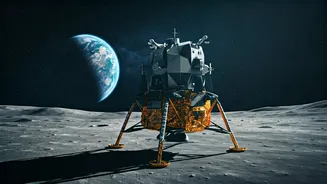
to the private sector. The agency recently announced nearly $600 million in new contracts to three American companies to deliver science and technology payloads to the lunar surface. These missions, scheduled for late 2028, are foundational to the Artemis program, which aims to establish a sustainable human foothold on the Moon and prepare for future voyages to Mars. This public-private model marks a new era in space exploration, one driven as much by commercial innovation and economic opportunity as by scientific discovery.
The Companies Leading the Charge
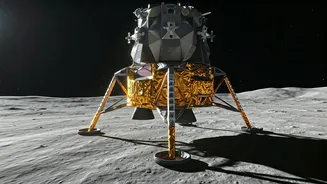
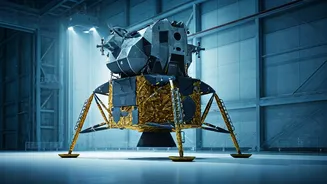
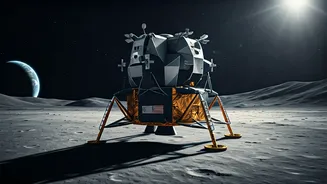
The latest awards under NASA's Commercial Lunar Payload Services (CLPS) initiative highlight the key players in this emerging lunar economy. Astrobotic, Firefly Aerospace, and Intuitive Machines have been tapped for four new uncrewed missions. Astrobotic secured the largest share, with $297.9 million for two deliveries. Firefly Aerospace received $144.2 million for one mission, and Intuitive Machines was awarded $148.3 million for its own lunar delivery. These companies are not newcomers; they have been developing and, in some cases, flying landers, learning crucial lessons from both successes and failures. For example, Astrobotic will apply learnings from its unsuccessful Peregrine mission in 2024, while all three firms will use updated versions of previously flown lander designs to increase reliability and mission frequency.
Building a Foundation on the Moon
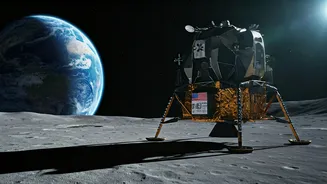
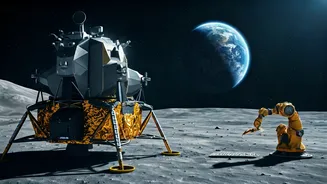
These initial robotic missions are far more than just delivery runs. They are the essential first steps in building a complex lunar infrastructure. The landers will transport a variety of NASA payloads, including scientific instruments to study the lunar environment and prospect for resources like water ice, particularly around the Moon's South Pole. By flying the same instruments on different landers, NASA can better understand landing risks and build a network of environmental and positioning data across the Moon. Beyond these initial payloads, the CLPS program is designed to lay the groundwork for larger infrastructure, including rovers, habitats, and power systems. NASA is already looking ahead, considering sending a rover derived from the Mars Perseverance design and soliciting proposals for power technology demonstrations and communications relays to support a future lunar outpost.
Why The Commercial Approach?
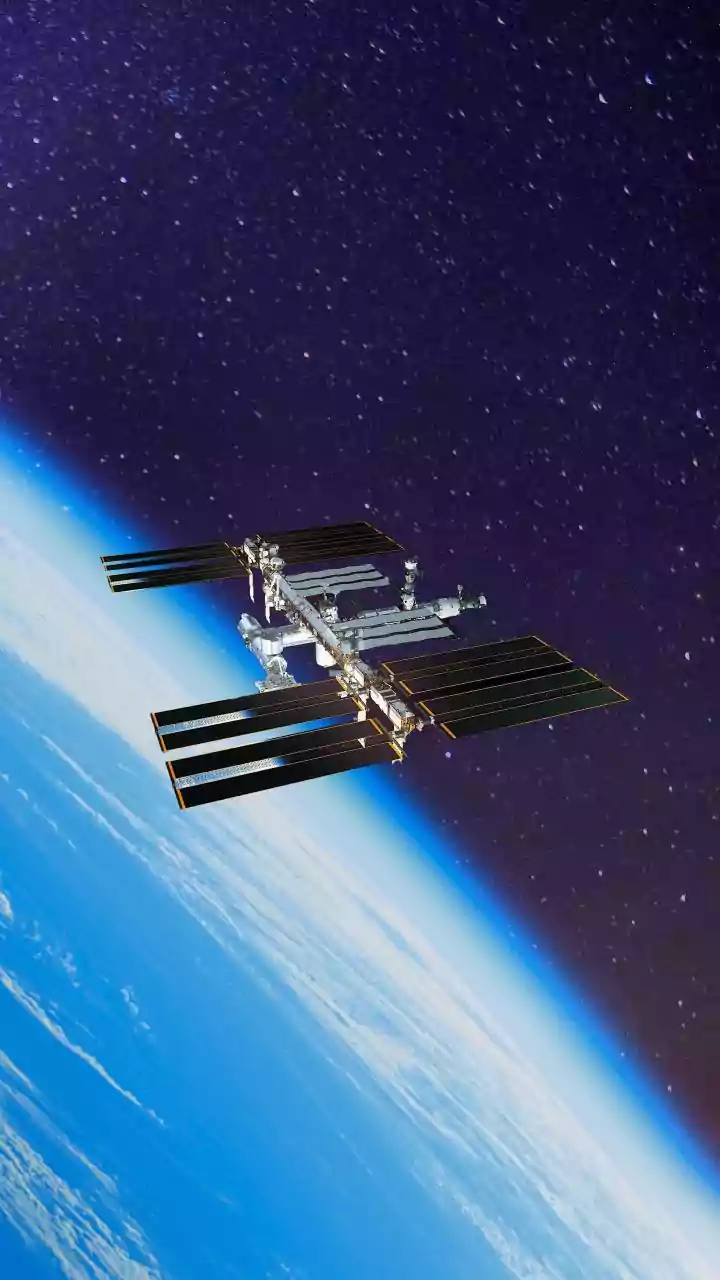
NASA's shift to a commercial model is a strategic one, designed to accelerate progress while fostering a self-sustaining lunar economy. By purchasing services from private companies rather than owning and operating all the hardware itself, the agency believes it can reduce costs, drive innovation, and increase the pace of missions. The CLPS initiative is modeled after the success of the commercial cargo and crew programs that now service the International Space Station. This approach allows NASA to act as one of many customers, creating a market that encourages companies to develop new capabilities for other potential clients. Ultimately, the goal is for private industry to handle the logistics of getting to and operating on the Moon, freeing up NASA to focus on the broader goals of scientific exploration and pushing humanity's reach further into the solar system, starting with Mars.