



Why This Is The Perfect Planting Season
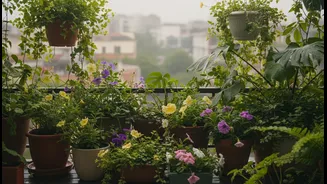
The monsoon, typically from June to October in Bengaluru, creates a natural greenhouse effect perfect for gardening. The cooler temperatures, higher humidity, and naturally soft rainwater give seeds and saplings a much better chance of survival and growth
compared to the hot, dry summer months. The moist soil reduces the need for constant watering, while cloudy skies protect young plants from being scorched. This period is a gift from nature, offering a congenial environment for germination and making it the easiest time of year to begin your gardening journey.
Five Essential Herbs for Your Balcony
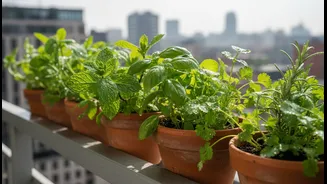
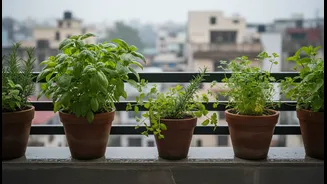
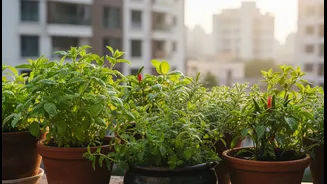
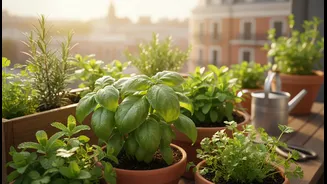
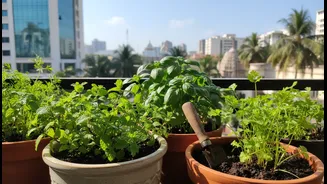
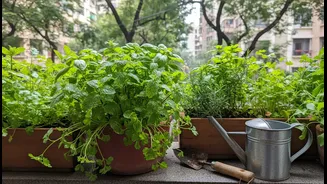
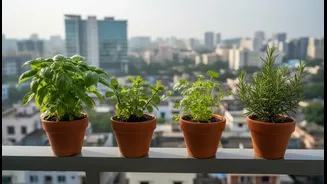
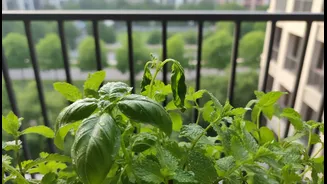
Not all herbs are created equal, especially when it comes to pot culture. Here are five easy-to-grow herbs that thrive in Bengaluru's climate and are perfect for beginners. 1. Tulsi (Holy Basil): An essential in many Indian households, Tulsi is revered for its medicinal properties and is incredibly resilient. It loves warmth, needs moderate sunlight, and consistent watering. Regular pinching of its flowers will encourage fuller, leafier growth. 2. Mint (Pudina): This fast-growing herb is a must-have for everything from chutneys to teas. Mint thrives in damp, partially shaded conditions, making it ideal for the monsoon. It's best grown in its own pot, as its roots can be invasive and take over other plants. 3. Coriander (Dhania): No Indian kitchen can do without it. Coriander grows quickly from seeds and loves the cooler, moist weather of the monsoon. For a continuous supply, sow a new batch of seeds every few weeks. 4. Lemongrass: With its distinct citrusy aroma, lemongrass is perfect for teas and Asian cuisine. It grows well in large pots, needs plenty of sunlight, and regular watering to flourish. 5. Curry Leaves (Kadi Patta): A staple for tempering dishes, the curry leaf plant loves a warm, humid climate. It can grow into a small tree, so give it a spacious container and a spot where it can get plenty of sun.
Setting Up for Success: Pots and Soil
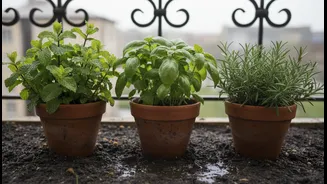
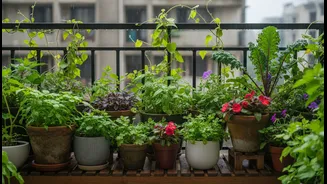
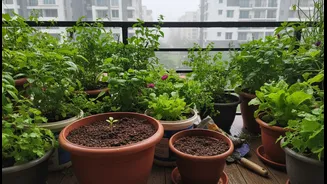
The single most critical factor for monsoon gardening in containers is drainage. Heavy rains can quickly lead to waterlogged soil, which causes root rot. Choose terracotta or plastic pots with at least one drainage hole at the bottom. Elevating your pots on stands or bricks can also help excess water drain away freely. For soil, avoid using heavy garden mud. A light, well-draining potting mix is best. You can create your own by mixing equal parts garden soil, compost, and cocopeat. This blend retains necessary moisture while allowing excess water to pass through, keeping your herbs happy and healthy.
Monsoon Care: Water, Pests, and Sunlight
Gardening during the monsoon is more about managing water than providing it. Let the rain do most of the work. Before watering, always check if the top inch of the soil is dry. Overwatering is a common mistake that can be fatal to your plants. High humidity can also invite pests and fungal diseases. Ensure good air circulation between your pots. A weekly spray of a diluted neem oil solution can act as a natural and effective preventative measure against common pests. While the sky may be overcast, most herbs still need four to six hours of light, so place them on the brightest part of your balcony.