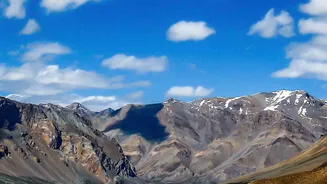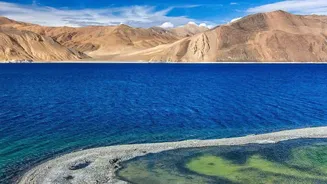



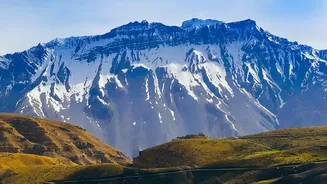
Understanding Autumn in Spiti
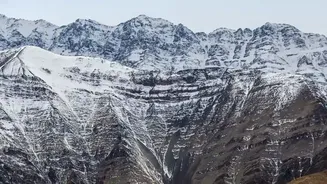
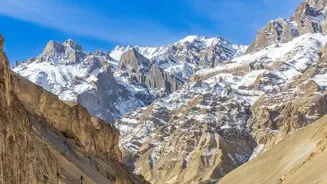
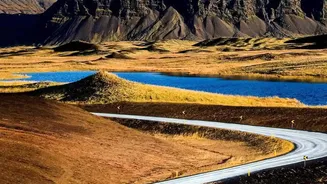
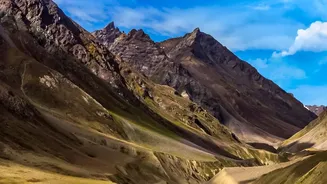
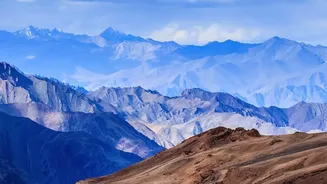
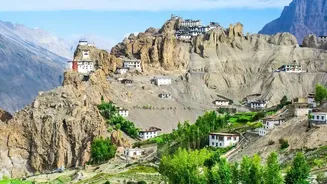
Autumn, spanning from late September to October, is a transitional season in Spiti. The post-monsoon clarity offers stunning views, but temperatures drop significantly, especially at night, often falling below freezing. This period is a trade-off: fewer
crowds for a more authentic experience versus the increasing risk of early snowfall. Key mountain passes like Kunzum La (4,590m) and Rohtang Pass (3,978m), which connect Spiti to Manali, become unpredictable. While generally open in early October, they can close suddenly due to snow, sometimes for several days. The road from Manali is shorter but involves a rapid ascent, making it riskier for acclimatisation. The Shimla-Kaza route, which remains open longer, offers a more gradual climb and is often the safer choice for entering the valley, especially later in the season.
Vehicle and Pre-Trip Preparations
Your vehicle is your lifeline in this remote terrain. Before you begin, ensure your car or motorcycle is thoroughly serviced, paying special attention to brakes, tyres, and the engine. Good quality all-terrain tyres are recommended for better grip on gravel tracks and potential black ice. A basic toolkit, a puncture repair kit, a tow rope, and a tyre inflator are non-negotiable. Given the scarcity of fuel stations, especially on the Manali-Kaza axis, carrying a spare jerry can of fuel is a wise precaution. Your packing list should prioritise layers: thermals, fleece jackets, and a windproof and waterproof outer layer are essential. Also pack sunscreen, sunglasses, and lip balm, as the high-altitude sun is harsh. Finally, download offline maps, as mobile connectivity is sparse to non-existent outside of Kaza and other main towns.
The Golden Rule: Acclimatisation
Acute Mountain Sickness (AMS) is a serious risk and the biggest health concern in Spiti. It occurs when your body doesn't have enough time to adjust to lower oxygen levels at high altitudes. Symptoms include headache, nausea, dizziness, fatigue, and loss of appetite. The only effective way to prevent AMS is to ascend gradually. Plan an itinerary that includes at least one or two nights at an intermediate altitude (like Kalpa or Nako if coming from Shimla) before proceeding to Kaza (3,800m). The rule is to “climb high, sleep low.” Stay hydrated by drinking plenty of water, and avoid alcohol and smoking, which can worsen symptoms. Some travellers consult a doctor about taking Acetazolamide (Diamox) as a preventive measure, but this should only be done under medical advice.
Navigating High-Altitude Passes
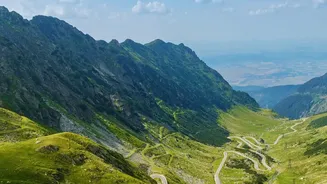
Driving over passes like Kunzum La is the most challenging part of the trip. These roads are often unpaved, narrow, and have steep drops without guardrails. Always drive during daylight hours. A cardinal rule of mountain driving is to give way to upcoming traffic when you are descending. Use lower gears for both ascents and descents to control your speed and prevent brake failure—a technique known as engine braking. Honk on blind curves to alert oncoming vehicles. Be prepared for water crossings (nalas), which can be slushy or icy in autumn. Black ice, a thin, transparent layer of ice, is a major hazard, especially in shaded areas or after a cold night. Drive slowly and avoid sudden braking or steering movements. If a pass looks dicey or the weather turns, it's always safer to turn back or wait it out at a lower, safer location like Losar or Batal.
On-the-Road Safety and Contingencies
Once in the valley, stick to a relaxed pace. Don't try to cover too much ground in one day. The journey itself is the destination. Keep your body fuelled with light meals and stay hydrated. Since many guesthouses and dhabas may start closing by mid-October, it's smart to book accommodations in advance and carry extra snacks and water. Always check the road status with locals or at police checkpoints before heading towards high passes. Build buffer days into your itinerary. An extra day or two provides a cushion in case of road closures due to landslides or snowfall, allowing you to wait for the route to clear without derailing your entire trip. If someone in your group shows worsening symptoms of AMS, such as severe headache, loss of coordination, or breathlessness even at rest, the only cure is immediate descent to a lower altitude.