



The Real Cost of 'Value Packs'
The allure of a large, economical pack is strong. The per-unit price is almost always lower, and buying in bulk can feel like a smart financial move. Manufacturers save on packaging and distribution, passing some of those savings to you. However, this
calculation often overlooks a hidden cost: waste. Studies show that a significant amount of food purchased by households is ultimately thrown away. In India, household food waste is a major issue, with estimates suggesting that each person discards around 50 kg of food annually. When you throw away a portion of that giant bag of atta or that family-sized pack of biscuits, the 'value' disappears. The true cost is not the price per gram, but the price of what you actually consume. If half of it spoils, you’ve effectively paid double.
Know Your Household's Rhythm
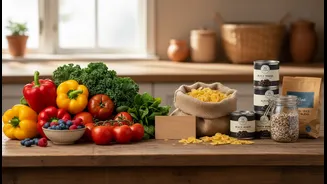
The single most effective strategy is to understand your family's actual consumption habits. Before you go shopping, take a mental inventory. How quickly do you finish a one-litre carton of milk versus a two-litre one? Do you use a whole jar of pickle before it loses its crunch? For a single person or a small family, buying non-perishable staples like rice and dal in bulk can make sense, provided you have proper storage. But for perishable items or things you use infrequently, a smaller pack is almost always the wiser choice. Track how long it takes to finish certain products. This isn't about rigid meal planning, but about developing an intuitive sense of your kitchen's pace, which helps you avoid both over-buying and running out of essentials.
The Perishables and Semi-Perishables Trap
Some items are obvious candidates for smaller packs. Dairy products, bread, and packaged deli meats have short lifespans after opening, often just a few days in the refrigerator. But don't forget semi-perishables. Items like chips, biscuits, and namkeen go stale quickly once exposed to air and humidity, a common issue in many parts of India. That jumbo bag of chips might seem like a great deal for a party, but for daily snacking, it often leads to a sad, half-eaten bag of limp crisps. Even items like ketchup, jams, and sauces can degrade in quality or spoil. For these, consider your use rate. If you only use a particular sauce once a month, a smaller bottle ensures you get the best flavour every time.
The Case for Fresh Spices and Flours
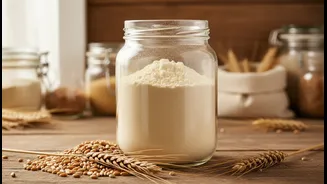
Spices and flours seem eternal, but they are not. While they don't spoil in the same way as fresh produce, they lose their potency and flavour over time. Ground spices, in particular, lose their aromatic oils when exposed to air. That large jar of garam masala might last you a year, but for the last six months, it will just be a shadow of its former fragrant self. Similarly, whole wheat atta and other flours can become stale or even develop pests if stored for too long after opening, especially in warm, humid climates. Buying smaller, freshly milled packs of flour and whole spices that you can grind yourself ensures maximum flavour and nutrition in your cooking. Think of it as an investment in the quality of your meals.
Smart Storage Is Your Best Friend
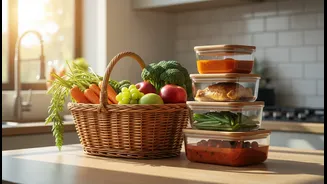
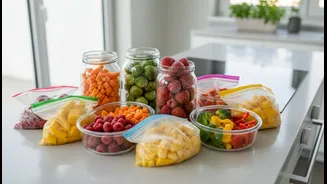
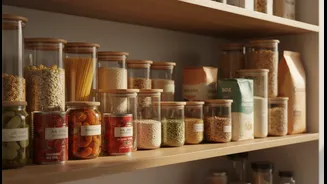
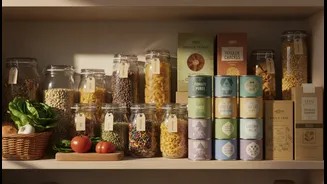
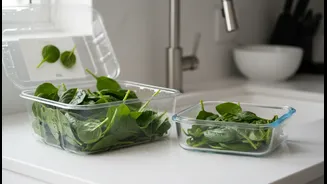
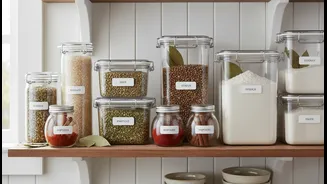
Sometimes, buying a larger pack is unavoidable or genuinely more economical. In these cases, your storage strategy becomes crucial. The moment you open a large bag of rice, flour, or snacks, transfer the contents into smaller, airtight containers. This protects them from moisture, pests, and air, preserving freshness for much longer. Glass jars are excellent for this. For items like canned goods, never store them in the original can after opening. Transfer any leftovers to a glass or plastic container and refrigerate immediately to prevent a metallic taste and spoilage. Following a 'First-In, First-Out' (FIFO) system—using up older items before new ones—also drastically reduces the chances of finding an expired product hidden at the back of your pantry.