





Why You Should Eat the Rainbow
You’ve probably heard the advice to “eat the rainbow,” and for good reason. It’s a simple way to ensure you’re getting a wide array of essential nutrients. Fruits and vegetables get their vibrant hues from phytochemicals, which are natural compounds that
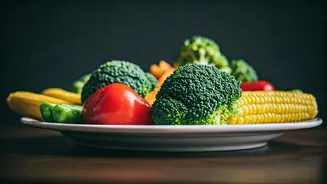
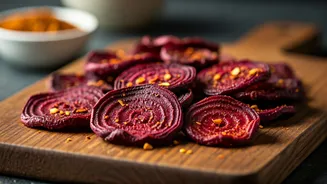
also happen to offer significant health benefits. Red foods like tomatoes and beets contain lycopene, an antioxidant linked to heart health. Orange and yellow foods such as carrots and sweet potatoes are rich in carotenoids, which are vital for vision and immune function. Greens like spinach and broccoli provide vitamins and aid in detoxification, while blue and purple foods like blueberries and red cabbage are packed with anthocyanins that support cognitive health. By building a plate with a variety of colours, you’re not just making it look good—you’re fuelling your body with a diverse range of protective compounds.
Introducing the Ultimate Rainbow Bowl
Our book-markable recipe is the Rainbow Buddha Bowl, a concept that’s as flexible as it is beautiful. A Buddha bowl is a one-dish meal that typically consists of a base of grains, a variety of fresh and cooked vegetables, a healthy protein, and a delicious dressing that ties it all together. The beauty of the bowl is its modular nature; there are no strict rules. It’s an ideal way to use up whatever vegetables you have in the fridge and create a satisfying, nutritionally complete meal. We’ll guide you through a classic combination that delivers a stunning array of colours, textures, and flavours, but think of this as a template for your own colourful creations.
The Building Blocks of Your Bowl
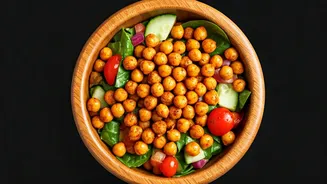
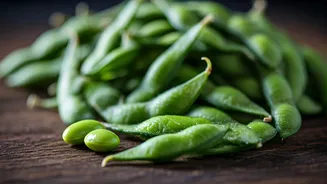
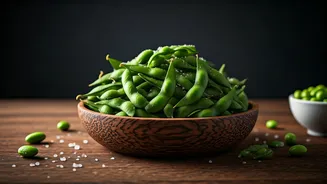
For a bowl that serves two, you will want to gather a variety of colourful components. Start with a grain base of one cup of cooked quinoa or brown rice. For your rainbow of vegetables, aim for about half a cup of each: bright red cherry tomatoes (quartered), shredded orange carrots, yellow bell pepper (thinly sliced), shelled green edamame beans, and vibrant purple cabbage (shredded). For protein and healthy fats, you’ll need one can of chickpeas, drained and rinsed, and one ripe avocado, sliced. These ingredients provide a fantastic mix of crunchy, soft, and chewy textures.
The Secret is in the Sauce
A great dressing is what elevates a bowl of ingredients into a cohesive, crave-worthy meal. For this Rainbow Bowl, we recommend a simple and creamy Lemon-Tahini Dressing. Tahini, a paste made from sesame seeds, provides a nutty, rich base. To make it, whisk together a quarter cup of smooth tahini, the juice of one large lemon (about two tablespoons), one tablespoon of maple syrup for a touch of sweetness, a grated clove of garlic, and a pinch of salt. Add three to four tablespoons of water, whisking continuously until the dressing is smooth and has a pourable consistency. It might seize up and get thick at first, but keep whisking and it will become creamy.
Assembling Your Masterpiece
Now for the fun part: building your bowl. Start by dividing the cooked quinoa or rice between two wide, shallow bowls. This will be your canvas. Next, arrange the colourful vegetables and the chickpeas in separate sections on top of the grain base. Think like an artist—place the red tomatoes next to the green edamame and the orange carrots next to the purple cabbage to make the colours pop. Place the sliced avocado in the centre or on the side. This method of arranging ingredients separately is what gives Buddha bowls their signature, visually appealing look. Once everything is in place, generously drizzle your creamy tahini dressing over the entire bowl. Garnish with a sprinkle of sesame seeds or fresh cilantro for a final touch.
Make It Your Own
This recipe is a starting point, not a strict rulebook. Feel free to swap ingredients based on what’s in season or what you have on hand. No quinoa? Use millets, farro, or even cauliflower rice. For protein, you could substitute chickpeas with grilled paneer, tofu, or a hard-boiled egg. The vegetables are endlessly interchangeable: try roasted sweet potatoes, steamed broccoli, sliced cucumbers, or radishes. You can also play with the dressing by adding a teaspoon of toasted sesame oil for more nuttiness or a dash of soy sauce for an umami kick. The goal is to create a meal that you find both nourishing and exciting.