
A Burst of Tropical Sunshine
Passion fruit grows on a vine, technically a type of berry, and is native to South America. Its flavour is often described as a bold, aromatic mix of citrus, pineapple, and guava. The inside contains a gelatinous, juicy pulp filled with crunchy, edible
black seeds. While the tough outer rind is not eaten, the pulp and seeds are a treasure trove of taste and texture, offering a sensory experience that instantly elevates anything they are added to. The most common varieties are the smaller, purple Passiflora edulis and the larger, yellow Passiflora flavicarpa, both offering that signature tropical essence.
Packed With Essential Nutrients
Despite its small size, passion fruit boasts an impressive nutritional profile. A single fruit is low in calories but dense in nutrients. It is an excellent source of dietary fibre, with one fruit providing about two grams, which is significant for such a small serving. This fibre is crucial for maintaining a healthy digestive system. The fruit is also exceptionally rich in Vitamin C, a powerful antioxidant that supports the immune system and skin health. Furthermore, it provides a notable amount of Vitamin A, which is essential for good vision, and contains beneficial plant compounds like polyphenols and carotenoids. Smaller amounts of essential minerals like potassium, iron, and magnesium are also present, contributing to its overall healthfulness.
More Than Just a Pretty Flavour
The rich blend of vitamins, minerals, and antioxidants in passion fruit translates to several tangible health benefits. The high antioxidant content, particularly from Vitamin C and beta-carotene, helps protect the body from damage caused by free radicals, which can reduce the risk of chronic diseases. Its abundant fibre content not only aids digestion and prevents constipation but also helps in slowing down the absorption of sugar, which can prevent spikes in blood sugar levels. This makes it a good choice for those managing their blood sugar. The potassium in passion fruit supports heart health by helping to regulate blood pressure, and the fibre can assist in managing cholesterol levels. The Vitamin C also plays a key role in collagen production, which keeps skin looking firm and youthful.
How to Choose and Enjoy
Selecting the perfect passion fruit is simple once you know what to look for. A ripe passion fruit often has slightly wrinkled, dimpled skin and a deep purple or yellow colour. Smooth skin usually indicates the fruit is not yet fully ripe. To eat it, simply wash the fruit, cut it in half with a serrated knife, and scoop out the pulp and seeds with a spoon. The pulp can be eaten directly from the shell. The crunchy seeds are entirely edible and packed with fibre. If you prefer a smoother consistency for juices or sauces, you can press the pulp through a sieve to separate the juice from the seeds.
Simple Ways to Use Passion Fruit
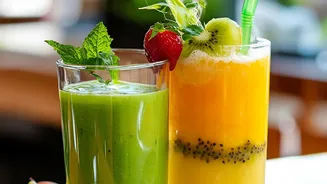
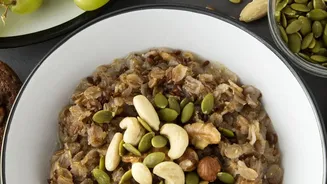
The versatility of passion fruit is one of its greatest strengths. You don't need elaborate recipes to enjoy its bright flavour. One of the easiest methods is to simply scoop the fresh pulp and seeds over a bowl of plain yogurt, granola, or ice cream for an instant flavour boost. You can also stir it into smoothies, blending it with other tropical fruits like mango and banana for a refreshing drink. For a simple beverage, mix the pulp with water and a touch of sweetener to make a vibrant juice or cordial. It also makes an excellent, tangy vinaigrette for salads when whisked with olive oil and a little lime juice. For a simple dessert, spoon the pulp over a slice of cheesecake or panna cotta to cut through the richness.