

What is an Olla? An Ancient Idea
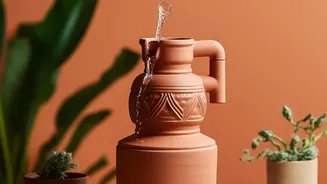
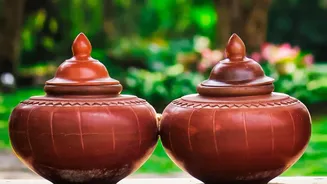
An olla, pronounced 'oy-yah', is simply an unglazed terracotta pot that is buried in the soil with only its neck exposed. You fill it with water, and its porous walls allow moisture to seep slowly into the surrounding soil. This method of irrigation is anything
but new; it's an ancient technique used for over 4,000 years in arid regions across North Africa, China, and the Americas to grow crops efficiently. For Indian gardeners, the concept is very familiar—it’s the same principle as a traditional 'matka' or 'ghada', using the natural porosity of earthenware to cool and dispense water.
The Simple Science of Smart Watering
The magic of the olla lies in a process called soil moisture tension. The porous clay acts as a membrane between the water reservoir inside and the soil outside. Water doesn't just leak out; it's actively 'pulled' through the microscopic pores by the dry soil and thirsty plant roots. When the soil is moist, such as after a rain, the water stays inside the pot. As the soil dries, it draws out just the amount of moisture needed. This self-regulating system prevents the stress of wet-dry cycles, leading to healthier plants and eliminating water waste from evaporation or runoff, which can account for up to 70% of water loss in surface watering.
Key Benefits for Balcony Containers
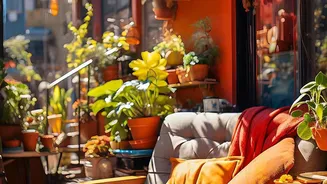
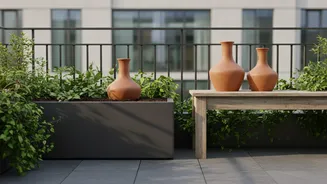
For urban balcony gardens, which often face intense heat and wind that dries out containers quickly, ollas are a game-changer. They deliver water directly to the root zone, encouraging deep, strong root growth instead of the shallow roots that surface watering promotes. This leads to more resilient plants that can better withstand heat. Because the soil surface remains relatively dry, it also helps suppress weed growth and can deter common pests and fungal diseases that thrive on wet foliage. Perhaps most importantly, it drastically reduces the time you spend watering. Instead of daily checks, you might only need to refill the olla every few days to a week.
How to Use an Olla in Your Pots
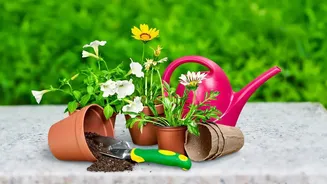
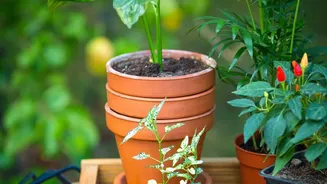
Using an olla in a container is straightforward. Choose a pot that is at least 20 litres or larger to ensure there's enough room for the olla, soil, and plant roots. Before adding your plant, bury the olla in the centre of the container, leaving just the neck sticking out of the soil. Then, arrange your plants around it. Fill the olla with water and place a lid or a stone over the opening to prevent mosquitoes from breeding and to reduce evaporation. For thirsty plants like tomatoes or cucumbers, plant them closest to the olla. You can even make your own by sealing the drainage hole of one terracotta pot and gluing another pot of the same size rim-to-rim on top of it.
Best Crops and What to Avoid
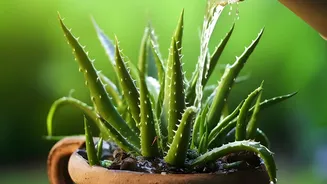
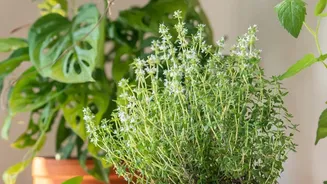
Ollas work best for plants with fibrous root systems that love consistent moisture. Fruiting vegetables are ideal candidates. Tomatoes, peppers, chillies, cucumbers, squash, and melons thrive with this system, which helps prevent issues like blossom end rot in tomatoes caused by fluctuating water levels. Many herbs, especially basil, also do very well. It's generally not recommended to add liquid fertilizers to the olla itself, as this can clog the clay's pores over time. Also, avoid using ollas for drought-loving plants like succulents or woody-rooted plants like rosemary, which may not appreciate the constant access to moisture.
Does It Really Last All Season?
While an olla provides continuous moisture, the claim of 'all season' depends on several factors: the size of the olla, the thirst of your plants, your climate, and the size of your container. A larger 2-gallon olla might last 5 to 10 days between fillings in a temperate climate, while a smaller one in a hot, windy city balcony might need a refill every 2 to 3 days. So, it's not a completely hands-off system for the entire season, but it significantly reduces the frequency of watering. It turns a daily chore into a weekly or twice-weekly task, providing your plants with a far more stable and healthy environment to grow all season long.