







A Return to Roots and Health
The modern Indian pantry is undergoing a significant transformation. For years, convenience and mass-market branding dictated shopping lists. Today, a new consciousness is driving purchasing decisions. Indian consumers are increasingly prioritising health,
authenticity, and transparency, a shift that gained momentum in the wake of the pandemic. [7, 11] A recent survey highlighted that a staggering 84% of Indian consumers consider food safety a vital driver in their choices. [19] This isn't just about avoiding preservatives; it's a proactive turn towards foods that are perceived as naturally healthier and more nutritious. Consumers are looking for clean labels and are questioning the industrial processing behind refined products, leading them to rediscover the benefits of traditional foods that have been trusted for generations. [7]
The Mighty Millet Renaissance
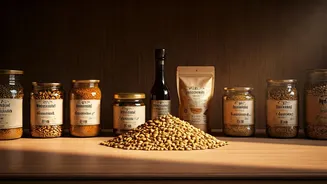
Nowhere is this shift more visible than in the resurgence of millets. Once dismissed as a humble grain, millets like ragi (finger millet), jowar (sorghum), and bajra (pearl millet) are now celebrated as superfoods. [2, 14] Packed with fibre, protein, and essential minerals, and naturally gluten-free, they offer a host of health benefits. [13, 14] Millets have a low glycemic index, making them ideal for managing blood sugar levels, and their high fibre content aids digestion and weight management. [2, 14] This revival is also supported by their sustainability; these are hardy, drought-resistant crops that require less water than rice and wheat. [2] No longer confined to traditional porridges, millets are being creatively integrated into modern diets through products like millet dosa batter, pasta, and breakfast cereals, making them accessible to the urban consumer. [13]
From Refined Oils to Cold-Pressed Gold
Another major battleground in the pantry is the cooking oil section. Consumers are moving away from heavily processed, refined vegetable oils and embracing traditional, cold-pressed alternatives. [3] Cold-pressed mustard, coconut, groundnut, and sesame oils, which were once staples in regional kitchens, are now in high demand in urban centres. [6, 10] The key appeal is the extraction method, which avoids high heat and chemical solvents, thereby preserving more nutrients, antioxidants, and the natural flavour of the oil. [3, 8] This trend reflects a broader consumer desire for 'chemical-free' products and a return to practices rooted in Ayurveda and traditional wellness. [8, 10] The market for these oils is projected for significant growth, signaling a long-term change in cooking habits. [3, 9]
Nostalgia, Identity, and Hyperlocal Flavours
This movement is not just driven by health; it is deeply emotional. For many, these regional foods are a taste of home, a connection to their heritage and childhood. [11, 15] As India becomes more urbanised, there is a growing desire to hold on to cultural identity, and food is a powerful way to do that. [15, 25] This has fueled an interest not just in staples, but in hyper-regional specialities—from single-origin spices and indigenous rice varieties to region-specific pickles and sweets. [15, 17] What was once a local delicacy in one state is now finding a curious and appreciative audience across the country, thanks to a growing appetite for authentic culinary experiences. [17, 21]
The Digital Kirana That Delivers Tradition
This entire revolution is enabled by technology. The rise of Direct-to-Consumer (D2C) brands and sophisticated e-commerce platforms has been a game-changer. [12, 27] These digital-first companies are bridging the gap between small, regional producers and a national audience. [5, 23] They solve the challenges of discovery and logistics, making it possible for a consumer in Delhi to buy artisanal cheese from Kodaikanal or for a family in Mumbai to order fresh batter made in the Udupi style. [20, 23] By cutting out intermediaries, D2C brands can offer authentic products, tell compelling stories about their origins, and build direct relationships with a community of like-minded consumers. [27]