





What Exactly Is El Niño?
El Niño is a naturally occurring climate pattern, not a storm itself. It's characterised by the unusual warming of surface waters in the eastern Pacific Ocean. While it happens thousands of kilometres away, this warming is significant enough to disrupt
atmospheric patterns, affecting weather worldwide. For India, the consequences are particularly pronounced. The phenomenon is known to influence the country's lifeline: the summer monsoon. Forecasters are keeping a close watch on a rapidly strengthening El Niño, which is expected to be very strong through the autumn and winter of 2026-27.
The Paradoxical Effect on India's Monsoon
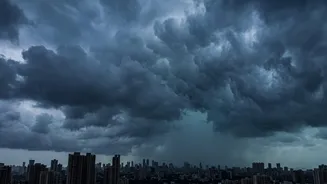
The most well-known impact of El Niño on India is its tendency to weaken the southwest monsoon, leading to lower overall rainfall. The current 2026 monsoon rainfall is already running below normal, raising concerns about crop production and water reservoir levels. However, the reality is more complex and dangerous. A weaker monsoon does not mean a complete absence of rain; instead, it often means the rain that does fall is more erratic and intense. This creates a paradoxical situation where a region can suffer from overall seasonal drought while also experiencing devastating flash floods from short, extreme downpours.
When Drains Fail and Roads Flood
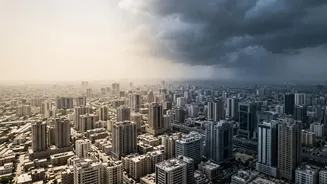
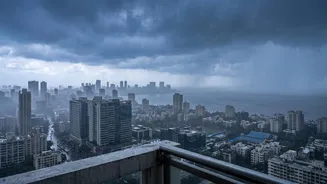
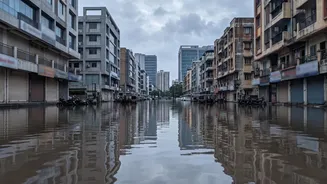
This pattern of long dry spells followed by intense rainfall is a nightmare for urban infrastructure. When heavy rain falls on concrete-laden cities after a dry period, the parched ground absorbs less water. The sudden deluge quickly overwhelms decades-old stormwater drainage systems, which were often designed for gentler, more consistent rainfall, not for today's extreme events. The result is what we see every year: waterlogged streets, submerged underpasses, and entire neighbourhoods inundated. Even a few hours of intense rain can bring major cities like Mumbai and Delhi to a standstill, turning roads into temporary drains and causing massive traffic disruptions.
Straining Water and Power Supplies
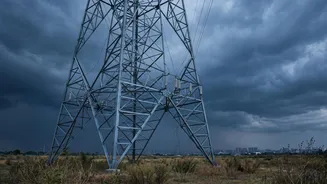
The impact extends far beyond flooded roads. A deficient monsoon, driven by El Niño, directly strains the water supply for millions. Reservoirs that feed our cities do not get replenished, leading to water cuts and shortages in the months that follow. At the same time, the higher temperatures often associated with El Niño years drive up electricity demand as the use of air conditioning and cooling systems soars. This puts immense pressure on the power grid. A weaker monsoon can also reduce output from hydropower projects, a critical component of India's energy mix, further complicating the energy supply during peak demand.
Building for a More Extreme Future
The connection between El Niño and urban stress underscores a critical vulnerability: much of our city infrastructure was designed for a climate that no longer exists. The rapid, often unplanned, growth of cities has replaced natural floodplains and green spaces with concrete, leaving water with nowhere to go. Tackling this challenge requires a fundamental shift in planning. Experts argue for building 'climate-resilient' infrastructure. This means upgrading drainage systems, preserving wetlands and water bodies, creating more permeable surfaces that can absorb rainwater, and developing better flood-warning systems. Without these adaptations, the cycle of El Niño-fueled disruption is set to continue.