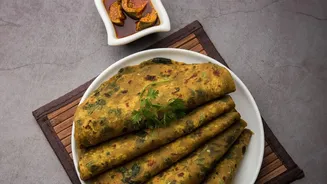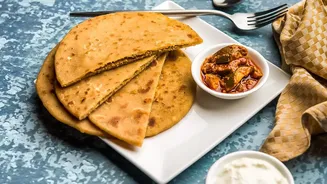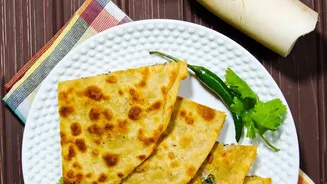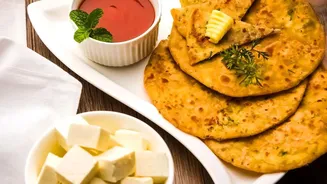


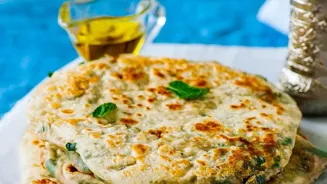
The humble paratha, a cornerstone of Indian comfort food, gets a wholesome and modern update. The Jowar Radish Paratha is a delicious, gluten-free alternative that packs a nutritional punch without sacrificing the flavour we all love.
Reimagining a Classic Comfort Food
For generations,
the paratha has been a beloved staple in Indian households. Whether served for breakfast, packed for lunch, or enjoyed as a hearty dinner, this versatile flatbread holds a special place in our culinary landscape. Traditionally made with whole wheat flour, parathas are often stuffed with an array of fillings, from spiced potatoes to leafy greens. Now, a new variation is gaining popularity among health-conscious food lovers: the Jowar Radish Paratha. This version swaps traditional wheat for a nutrient-dense millet flour and combines it with the peppery goodness of fresh radish, offering a flatbread that is both deeply satisfying and impressively healthy.
The Power of Jowar Flour
Jowar, also known as sorghum, is an ancient millet that is making a major comeback in modern Indian kitchens. Its rising popularity is well-deserved. Jowar is naturally gluten-free, making it an excellent choice for individuals with celiac disease or gluten sensitivity. It boasts a low glycemic index, which means it releases sugar into the bloodstream slowly, helping to manage blood sugar levels and provide sustained energy. Furthermore, jowar is rich in dietary fibre, which aids digestion, promotes gut health, and helps you feel full for longer, assisting in weight management. It's also a good source of essential minerals like magnesium, iron, and potassium, contributing to bone health and overall vitality.
Radish: More Than Just a Salad Vegetable
The other star of this dish is the humble mooli, or radish. Often relegated to salads, radish is a nutritional powerhouse, especially during the winter season. It is packed with antioxidants and Vitamin C, which help protect the body's cells from damage. Radishes are also known to support liver function and aid digestion. Incorporating grated radish into the paratha dough not only adds a delightful, sharp flavour but also introduces significant health benefits. Before mixing it with the flour, it's common practice to salt the grated radish and squeeze out the excess water. This step prevents the dough from becoming too soggy and makes the parathas easier to roll.
Mastering the Gluten-Free Dough
Working with jowar flour can be different from using wheat flour because it lacks gluten, the protein that provides elasticity. The key to a soft, pliable jowar dough is using hot water. Mixing the flour with boiling or very hot water helps to gelatinize the starches, which acts as a binder and makes the dough easier to handle. After adding the hot water, the grated and squeezed radish is kneaded into the dough along with spices like ajwain (carom seeds), coriander, green chillies, and ginger. Because the dough can be delicate, some people find it easier to pat the parathas out by hand or roll them between sheets of parchment paper to prevent them from breaking.
Serving and Enjoying Your Parathas
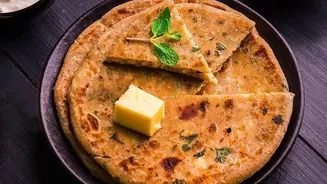
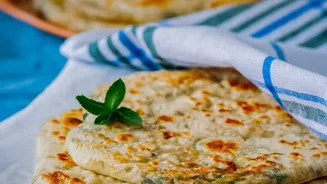
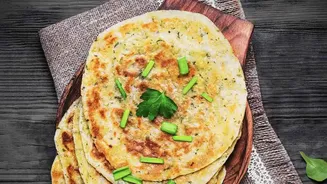
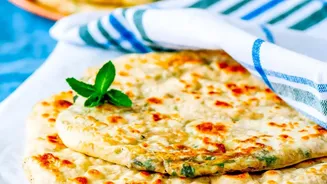
Once rolled, the parathas are cooked on a hot tawa (griddle) until golden-brown spots appear on both sides. They are best served hot, straight from the pan, perhaps with a dollop of white butter or a smear of ghee. These flavourful flatbreads are a complete meal in themselves but also pair beautifully with simple accompaniments. A bowl of plain dahi (yogurt) or a cooling raita complements the gentle spice of the paratha perfectly. They can also be served with your favourite pickle or a simple dal for a more substantial meal. This dish proves that healthy eating doesn't mean compromising on taste or tradition; it’s about innovating with wholesome ingredients to create something new and wonderful.