




The Bean-To-Bar Philosophy
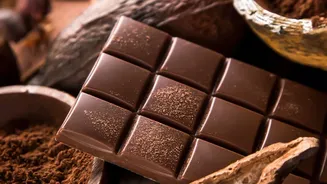
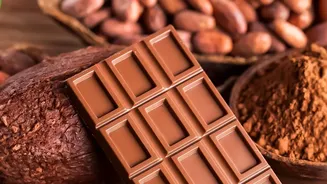
For decades, chocolate in India was synonymous with sweet, milky, and imported brands. The origin of the cocoa was an afterthought. The bean-to-bar movement changes that narrative entirely. It’s a meticulous process where the chocolate maker controls
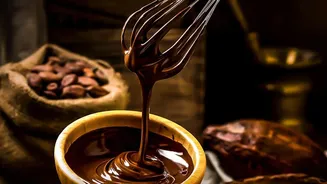
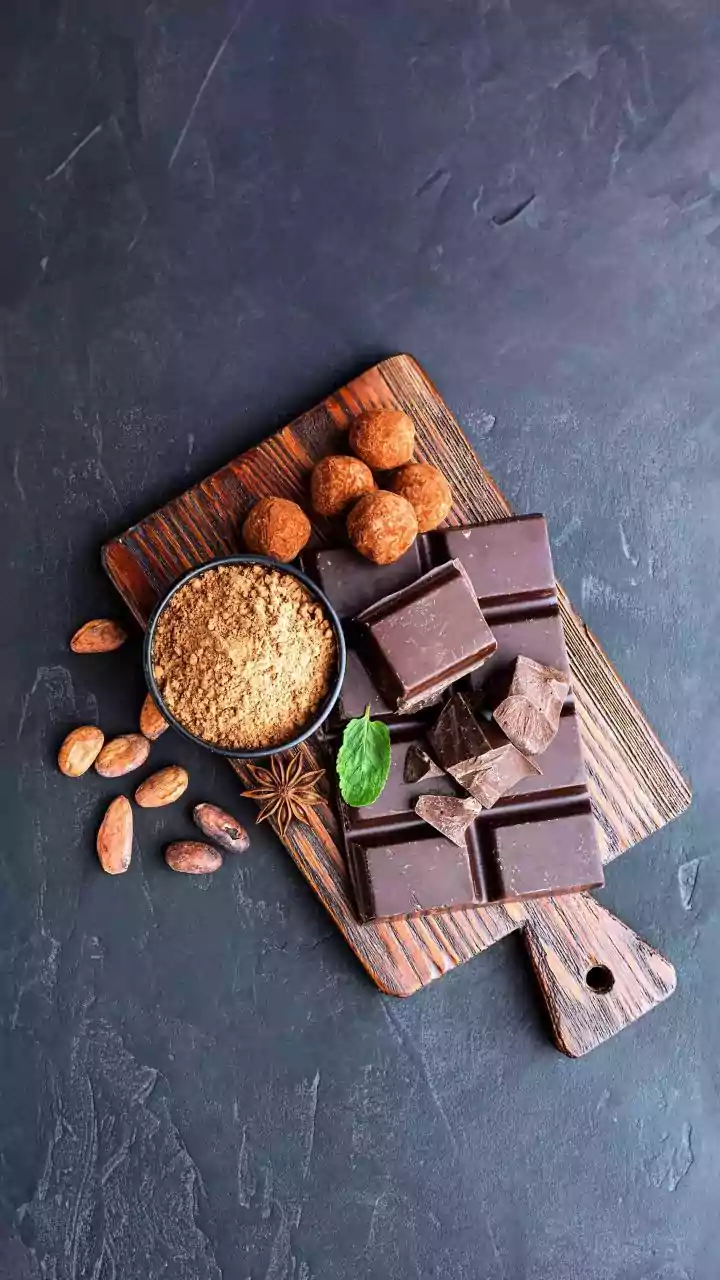
every step of production, from sourcing the raw cacao beans directly from farmers to roasting, grinding, and moulding the final bar. This hands-on approach allows them to highlight the unique flavour profile of the beans, much like a winemaker expresses the character of grapes from a specific vineyard. The result is a more complex, nuanced, and authentic chocolate experience that tells a story of its origin.
Pioneers of Indian Craft Chocolate
South India has emerged as the heartland of this movement. In Auroville, Mason & Co, founded by Jane Mason and Fabien Bontems, is a pioneer, producing organic, vegan, and ethically sourced chocolate. They work directly with organic farmers in Kerala and Tamil Nadu, ensuring fair prices and sustainable practices, with an all-women team handcrafting the final products. Another key player is Soklet, India's first tree-to-bar brand from the Anamalai hills in Tamil Nadu. Run by a family that grows its own cacao, Soklet manages the entire process from the farm to the finished bar, offering a true taste of the region's terroir. Similarly, Kochi-based Paul & Mike are known for their farm-to-bar approach, using fine flavour cocoa from their own farms and other growers in Kerala and Andhra Pradesh.
The Star Ingredient: Indian Cacao
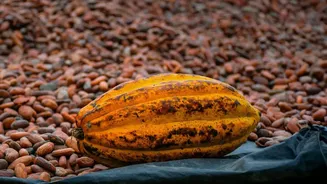
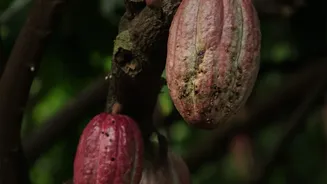
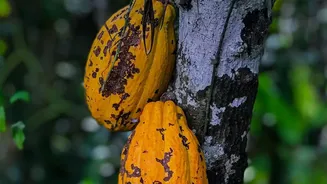
The secret to this burgeoning scene is the quality of Indian cacao itself. Grown primarily in the southern states of Kerala, Karnataka, Andhra Pradesh, and Tamil Nadu, Indian cacao beans possess distinct and diverse flavour profiles. The terroir—the unique combination of soil, climate, and geography—plays a crucial role. Cacao from the coastal plantations of Kerala can have notes of tropical fruits, while beans from the Western Ghats may carry hints of spice. Often grown as an intercrop with coconut, pepper, nutmeg, or banana, the cacao beans absorb subtle flavour nuances from their surroundings, resulting in earthy, fruity, spicy, or floral notes that surprise the palate. This diversity allows chocolate makers to create single-origin bars that showcase the unique character of a specific region, like the Idukki Hills or the Godavari basin.
A Spectrum of Innovative Flavours
Indian craft chocolate makers are not just replicating Western styles; they are innovating with flavours that are distinctly Indian. Brands are reinterpreting local delicacies and ingredients into chocolate form. Paul & Mike infuses its bars with fruits like sitaphal (custard apple) and jamun, while Soklet has created varieties with filter coffee and Bhut Jolokia chilli. Others, like Manam in Hyderabad, have created talking points with bars featuring Chakkarakeli banana or a nostalgic Chai Biscuit flavour. These creative combinations move beyond simple candy, offering a sophisticated taste of India that pairs local agricultural heritage with world-class chocolate-making techniques.
More Than Just a Sweet Treat
This movement is about more than just taste; it represents a shift towards ethical and sustainable consumption. By sourcing beans directly from farmers, these brands ensure better prices and build lasting relationships, supporting local agricultural communities. Many are committed to organic and sustainable farming practices, avoiding chemicals and promoting biodiversity. Brands like Kocoatrait in Chennai have even focused on zero-waste production and eco-friendly packaging made from reclaimed cotton and cocoa shells. For consumers, choosing a bar from one of these makers is not just an indulgence but a conscious decision to support a transparent, equitable, and quality-driven local industry.