


Respect the Altitude: Acclimatisation is Key
The single most important factor for a successful Ladakh trip is acclimatisation. Leh is situated at an altitude of over 11,500 feet, where oxygen levels are significantly lower. Flying directly into Leh causes a sudden jump in altitude, increasing the
risk of Acute Mountain Sickness (AMS). Symptoms include headache, nausea, dizziness, and fatigue. The golden rule is to rest completely for the first 24 to 48 hours upon arrival. Avoid any strenuous activity, including long walks or climbing stairs quickly. Drink plenty of water—at least 3-4 litres daily—and avoid alcohol for the first few days to help your body adjust. Rushing your itinerary is the quickest way to fall sick and ruin your holiday.
Choose Your Travel Time Wisely
The best time to visit Ladakh for most travellers is during the summer, from May to September. During these months, the weather is pleasant, with daytime temperatures ranging from 15°C to 25°C, and the crucial mountain passes and roads are open. This is the ideal season for sightseeing, trekking, and road trips. The shoulder months of April and October offer fewer crowds but colder temperatures. Winter travel (November to March) is for the truly adventurous, as the region is covered in heavy snow, many hotels and roads are closed, and temperatures drop far below freezing. However, winter offers unique experiences like the Chadar Trek on the frozen Zanskar River.
Plan Your Route and Itinerary
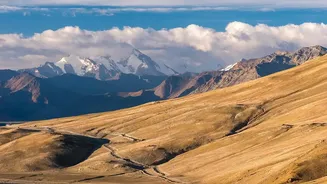
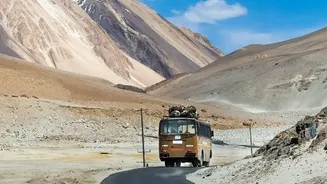
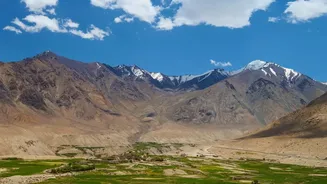
How you get to Leh significantly impacts your acclimatisation. Flying into Leh is the fastest option but requires strict rest upon arrival. A road trip offers a more gradual ascent. The Srinagar-Leh highway is generally recommended for first-timers as its altitude gain is slower and more forgiving, reducing the risk of AMS. The Manali-Leh highway is more dramatic and challenging, crossing several high-altitude passes over 5,000 metres. For your itinerary within Ladakh, plan for a minimum of 7 to 10 days. This allows for proper acclimatisation and time to explore key areas like Nubra Valley and Pangong Lake without rushing. A typical plan involves spending the first two days in and around Leh before venturing to higher altitudes.
Get Your Permits in Order
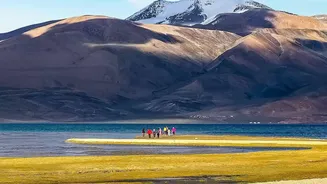
To visit protected areas like Nubra Valley, Pangong Tso, and Tso Moriri, tourists need special permissions. As of 2026, the old Inner Line Permit (ILP) system for Indian tourists has been simplified. Indian travellers no longer need a traditional ILP but must pay a Ladakh Environment Fee online and carry the receipt. This fee typically consists of a one-time environment charge and a per-day wildlife fee. The process can be completed on the official LAHDC website. Foreign nationals (excluding those from certain countries) need a Protected Area Permit (PAP), which must be arranged through a registered travel agent and usually requires travelling in a group of two or more.
Pack Smart with Layers and Essentials
The weather in Ladakh can be unpredictable, with warm sun and sudden chills in the same day. The key is to pack layers. Essentials include thermal wear, a warm fleece jacket, a down or windproof outer jacket, woollen socks, gloves, and a cap. The sun at high altitudes is incredibly harsh, so UV-protected sunglasses, a wide-brimmed hat, and high-SPF sunscreen (SPF 50+) are non-negotiable. Also, pack a basic first-aid kit with medicines for headache, nausea, and any personal prescriptions after consulting your doctor. Don't forget a power bank, as electricity can be intermittent in remote areas.
Stay Connected (or Embrace the Disconnect)
Mobile and internet connectivity in Ladakh is limited. Only postpaid SIM cards from other states work here; prepaid SIMs will not have service. BSNL offers the widest network coverage, especially in remote areas, followed by Airtel and Jio, which work well in and around Leh town. In popular tourist spots like Nubra Valley, you might find patchy service, but places like Pangong Lake often have no signal at all. While many hotels and cafes in Leh offer Wi-Fi, the speeds can be slow and unreliable. It's best to inform your family and friends of your itinerary and expect to be offline for large parts of your journey.
Cash is King Outside of Leh
While Leh market has several ATMs and many establishments accept UPI and card payments, this changes drastically once you leave the main town. ATMs are scarce and often out of cash, especially during the peak tourist season. In remote areas like Nubra Valley, Pangong, and Tso Moriri, virtually all transactions are cash-only. It is crucial to withdraw sufficient cash in Leh to cover your expenses for food, accommodation, and any local shopping during your excursions. Plan ahead and carry more cash than you think you will need to avoid getting stuck.