






Understanding Orthodox Tea
Before you grab any box from the shelf, it’s important to know what makes orthodox tea special. Unlike the common CTC (Crush, Tear, Curl) method that produces small, granular pellets for teabags, orthodox production is a more traditional, artisanal craft.
This process involves carefully hand-plucking and rolling whole tea leaves to preserve their shape and delicate flavour compounds. The result is a loose-leaf tea that offers a more nuanced, complex, and aromatic brew. While CTC teas are bold and designed to stand up to milk and sugar, orthodox teas have a smoother, more layered profile that is perfect for appreciating on its own. This makes them the ideal candidate for a gentle extraction method like cold brewing.
The Magic of Tulsi
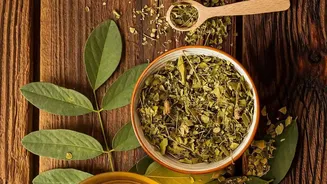
Known as Holy Basil, Tulsi is a highly revered herb in India and a cornerstone of Ayurvedic wellness. It is considered a sacred plant, often grown in homes and around temples for its purifying presence. But beyond its cultural significance, tulsi offers a unique and captivating flavour. It has a complex aromatic profile often described as peppery and warm, with notes of clove, mint, and a hint of lemon. This distinctive taste is what makes it such a wonderful partner for tea. When used fresh, its vibrant character can elevate a simple brew into something truly special and restorative.
Why You Should Cold Brew
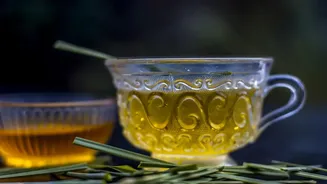
The secret to this recipe’s success lies in the cold-brewing process. Steeping tea leaves in cold or room-temperature water over several hours extracts the flavour compounds differently than hot water does. Hot water can quickly release tannins, which are responsible for the bitter or astringent taste sometimes found in tea. Cold water, on the other hand, pulls out those tannins much more slowly, resulting in a brew that is significantly smoother and naturally sweeter. This gentle extraction preserves the delicate floral and fruity notes of orthodox tea while also allowing the full, complex aroma of the tulsi to infuse without becoming overpowering. The result is a clean, crisp flavour that doesn't require any added sugar to be palatable.
How to Make Your Cold Brew
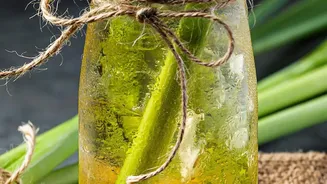
Making this refreshing beverage at home is incredibly simple. You don't need any fancy equipment—just a large jar or pitcher, water, tea, and tulsi. Here’s a basic guide to get you started: 1. Choose Your Ingredients: Start with a quality loose-leaf orthodox tea. Darjeeling, Nilgiri, or a fine Assam would work well. For the tulsi, fresh leaves will provide the most vibrant aroma. You can find these at farmers' markets or Asian grocery stores, or even grow a plant at home. 2. Get the Ratio Right: A good starting point is about 5-8 grams of loose-leaf tea (around 2-3 teaspoons) and a generous handful of 10-15 fresh tulsi leaves for every litre of cold, filtered water. 3. Combine and Steep: Place the tea leaves and tulsi in your jar or pitcher. You can bruise the tulsi leaves slightly to help release their oils. Pour the cold water over them, stir gently, cover, and place in the refrigerator. 4. Be Patient: Let the mixture steep for 8 to 12 hours. Overnight is perfect. The long, slow infusion is key to developing the smooth, nuanced flavour. 5. Strain and Serve: In the morning, strain the leaves and herbs from the water. Pour your finished cold brew over ice and enjoy. It will keep in the refrigerator for 2-3 days, though its flavour is best on the first day.
Experiment and Make It Your Own
Once you’ve mastered the basic recipe, feel free to experiment. Different types of orthodox tea, from light and floral green teas to more robust black teas, will yield different results. You can also add other aromatics to the brew along with the tulsi. A few slices of ginger can add a warming spice, a sprig of mint can enhance the freshness, and a slice of lemon or lime at the end can provide a bright, citrusy finish. The beauty of this method is its simplicity and versatility, allowing you to create a signature drink that is both healthy and delicious.