






The Old Transcription Bottleneck
For decades, the process of transcribing audio—whether from interviews, business meetings, or media content—was a significant bottleneck. It involved manually listening to recordings and typing out every word. This was not only time-consuming and expensive
but also prone to human error. In a multilingual environment like India, with its 22 official languages and thousands of dialects, the challenge was even greater. Finding skilled professionals who could accurately transcribe regional languages, understand local accents, and correctly interpret context was a major hurdle for businesses, researchers, and content creators alike.
Enter AI-Powered Transcription
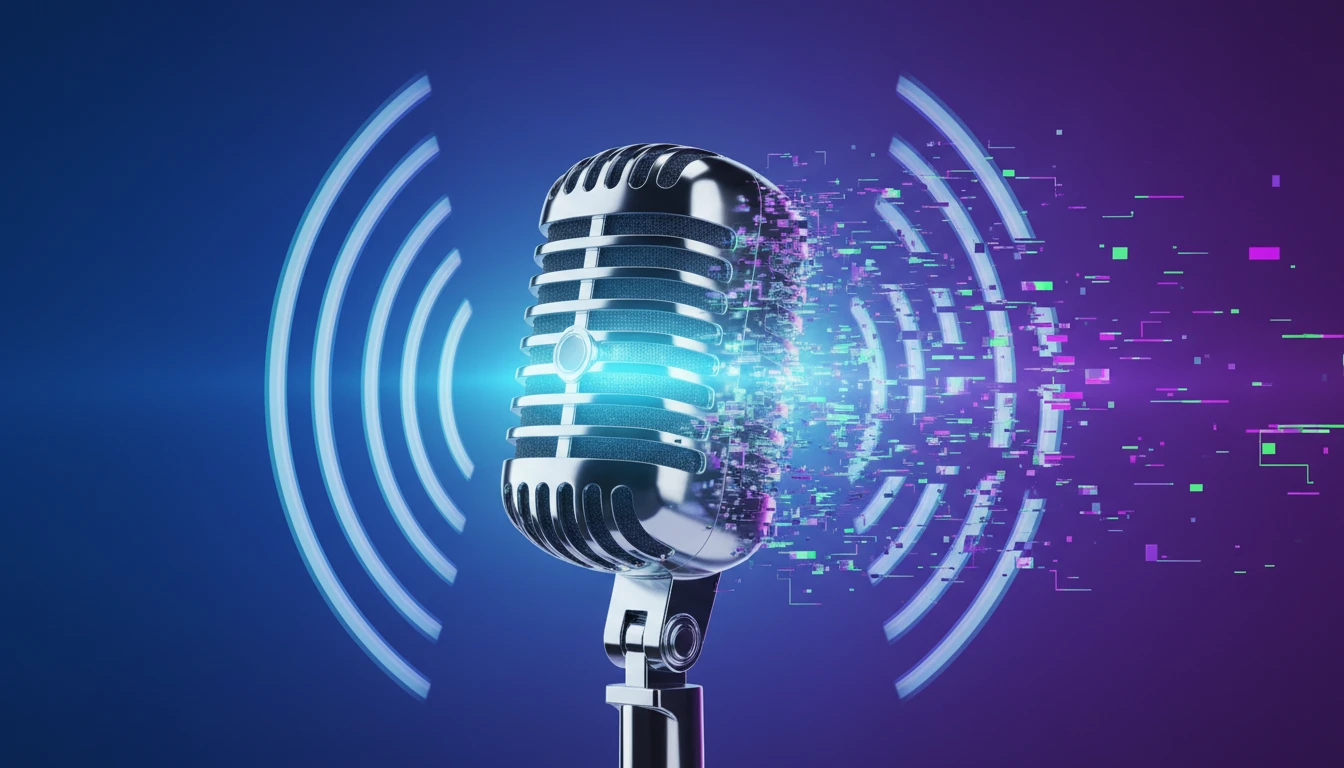
The “digital upgrade” comes in the form of applications powered by artificial intelligence, specifically Automatic Speech Recognition (ASR) and Natural Language Processing (NLP). These tools are designed to automatically convert spoken language into written text. Unlike older software, modern platforms can handle a vast array of languages and dialects. The process is remarkably simple: a user uploads an audio or video file, and the AI transcribes it within minutes, a task that could previously take hours or days.
A Streamlined and Optimized Workflow
The primary benefit of these applications is the radical optimization of workflows. Instead of a multi-step manual process, transcription becomes a simple, automated task. Advanced features further enhance this efficiency. Many tools offer automatic speaker identification (diarization), which labels who is speaking in a conversation, and generate timestamps that sync the text with the audio. This makes reviewing, editing, and navigating long recordings effortless. For businesses, this means faster turnaround times for meeting minutes, quicker analysis of customer feedback calls, and more efficient content production.
Tackling India’s Linguistic Complexity
Perhaps the most significant advantage for the Indian context is the growing ability of these AI models to handle local languages and unique speaking patterns. While challenges remain, especially for low-resource languages with limited training data, the technology is rapidly improving. Modern systems are getting better at understanding various Indian accents and even “code-switching,” where a speaker mixes languages like Hindi and English in the same sentence. This capability is a game-changer for accurately capturing the natural way many Indians communicate.
More Than Just Text: Unlocking New Value
These applications do more than just transcribe; they turn unstructured audio data into a searchable, analyzable asset. With a text-based transcript, content becomes more accessible to individuals with hearing impairments and can be easily repurposed for blogs, articles, and social media. Some platforms offer features like automated summaries, sentiment analysis to gauge emotional tone, and entity detection to identify key names and places mentioned. This allows organizations to extract valuable insights from their audio content that were previously buried.
What to Look for in a Transcription Tool
When choosing a multilingual transcription application, accuracy is paramount. Look for services that have been trained on diverse datasets and perform well with your specific languages and accents. Other key features include robust language support, strong security protocols to protect sensitive data, and integration capabilities that allow the tool to fit seamlessly into your existing software and workflow. Many services offer free trials, which are a great way to test the tool's performance with your own real-world audio files before committing.