



From 'Revenge' to 'Restoration'
Remember the post-lockdown travel frenzy? It was an era defined by 'revenge travel'—a collective rush to make up for lost time by ticking off bucket-list destinations. But after the initial euphoria, a new kind of fatigue has set in. The hassle of overbooked
hotels, crowded viewpoints, and traffic jams in popular tourist hubs has left many travellers feeling like they need a holiday from their holiday. As a result, the trend is now shifting from frantic sightseeing to intentional rest. A 2026 travel outlook report found that relaxation is now the primary motivation for the majority of Indian travellers, signalling a move towards slower, more meaningful journeys. More than half of Indian travellers now say they prefer quieter locations over mainstream hotspots.
The Allure of the Undiscovered
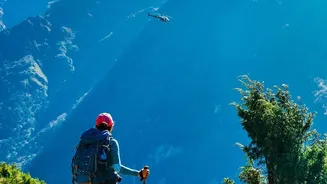
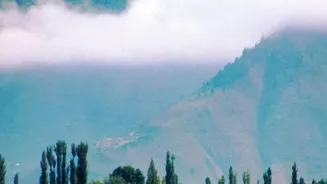
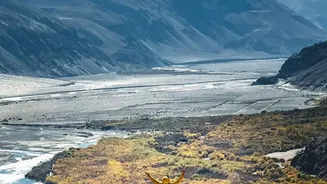
So, what exactly is offbeat travel? It's not just about visiting remote places. It's a mindset focused on escaping the crowds to find authentic cultural experiences. Travellers are increasingly looking for genuine connections with local communities, unique culinary discoveries, and the simple pleasure of exploring a place at their own pace. Improved infrastructure, including better highways and regional airports under the government's UDAN scheme, has made these once-overlooked destinations more accessible. Digital travel platforms and social media have also played a huge role, allowing people to discover 'hidden gems' and plan trips to places like the serene valleys of Arunachal Pradesh or the heritage towns of Rajasthan.
India's Emerging Hospitality Hotspots
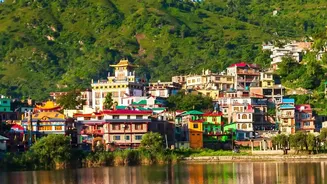
This shift is creating new tourism hubs across the country. Tier-II and Tier-III cities are no longer just stopovers; they are becoming primary destinations. Cities like Coimbatore, Bhubaneswar, Lucknow, and Indore are witnessing a surge in interest from both business and leisure travellers. Spiritual centres such as Varanasi, Ayodhya, and Ujjain are also attracting visitors who are looking for comfortable stays alongside their pilgrimages. In the north, destinations like Dharamshala and Rishikesh are seeing a boom in searches from those seeking wellness and nature-focused getaways. Similarly, lesser-known coastal towns and quiet hill stations are gaining popularity as people look for alternatives to ever-popular spots like Goa and Shimla.
A Boost for Local Economies
This trend does more than just offer travellers a peaceful escape; it provides a significant economic boost to smaller communities. When tourists visit offbeat locations, their spending directly supports local businesses like family-run homestays, small restaurants, artisans, and farmers. This distribution of tourism revenue helps create jobs and encourages regional development, allowing residents to preserve their way of life without needing to move to larger cities for work. By spreading visitor pressure throughout the year and across a wider range of destinations, this form of tourism also promotes a more sustainable model that reduces the environmental strain on overburdened hotspots.