



The Myth You Probably Believe
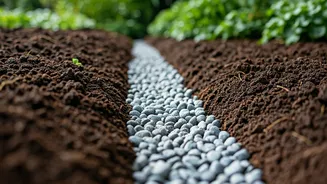
Let’s address the most common piece of advice given to new container gardeners: “Put a layer of gravel, broken pottery, or rocks at the bottom of your pot for better drainage.” It sounds logical, right? The idea is that this coarse layer creates space
for excess water to collect, away from the soil and the plant’s delicate roots. For generations, this has been passed down as garden wisdom. Unfortunately, it’s a myth. Not only does this practice not help, but it can actually make things worse by creating the very problem you’re trying to avoid: waterlogged soil.
The Science of Soggy Roots
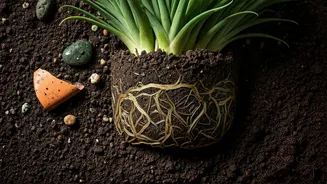
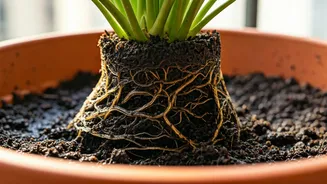
To understand why this myth is so harmful, we need to talk about a concept from soil physics called the “perched water table.” Imagine how a sponge holds water. Even with gravity pulling down, the sponge remains saturated up to a certain point. The same thing happens in a pot. The fine particles of potting soil hold onto water through cohesion and adhesion, creating a zone of saturation at the bottom. When you add a layer of gravel, you aren't creating a drainage reservoir. Instead, you are simply reducing the total volume of soil in the pot. The perched water table still forms, but now it sits directly on top of the gravel layer—higher up and closer to your plant’s root ball. Essentially, you’ve just raised the “flood level” inside the pot, forcing the roots to sit in a swampy, oxygen-deprived environment that is a perfect breeding ground for root rot.
Start with a Better Soil Mix
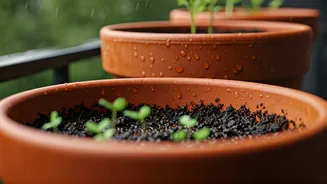
So, if rocks are out, what’s the real secret to great drainage? It starts with the soil itself. A bag of generic garden soil or topsoil is often too dense for containers. It compacts easily, squeezing out air pockets and retaining far too much water. For balcony gardening, you need a dedicated potting mix that is light and airy. The best mixes contain ingredients like perlite (the little white volcanic glass balls), which creates air channels, or coco coir and peat moss, which retain moisture without becoming waterlogged. You can buy high-quality premade potting mixes or create your own blend. The goal is a medium that allows water to flow through freely while still holding enough for the plant to drink.
Your Pot Is Part of the System
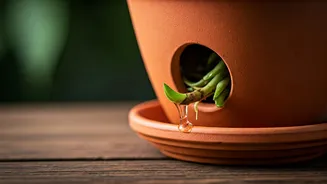
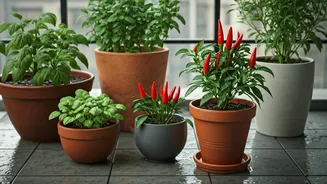
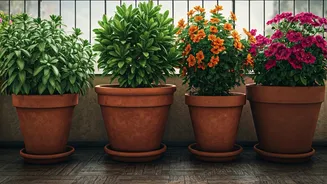
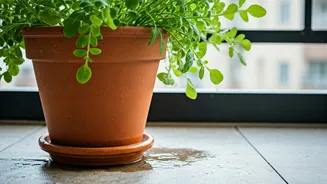
The single most important feature of any pot is its drainage hole. Or, more accurately, drainage holes—plural. If a pot has only one tiny hole, or none at all, no amount of perfect soil will save your plant. Water must have a clear exit path. If you’ve fallen in love with a decorative pot that lacks holes, it’s time to get brave with a drill. For plastic or resin pots, a standard drill bit works fine; for ceramic or terracotta, you’ll need a specialised masonry or tile bit. Furthermore, the material of the pot matters. Unglazed terracotta is porous, allowing moisture and air to pass through its walls, which helps the soil dry out more evenly. Plastic and glazed ceramic pots are non-porous, meaning all evaporation happens from the top surface and all drainage happens out the bottom, making them less forgiving of overwatering.
Elevate Your Garden (Literally)
Here is one final, simple trick that actually works. Even a pot with great holes can get blocked if it sits flat on a solid surface or in a tight-fitting saucer. The water hits the bottom and surface tension prevents it from escaping effectively. The solution is to elevate your pots. You can buy dedicated “pot feet,” which are small wedges made of terracotta or plastic that lift the container by a centimetre or two. This small gap is enough to break the surface tension, improve airflow, and allow water to drain away freely. It also prevents stains on your balcony floor. You can improvise with anything from bottle caps to small blocks of wood. This tiny adjustment ensures your drainage system can do its job without obstruction.