




Understanding Regional Pace
Beyond just the weather, every destination has its own unique rhythm that changes with the seasons. This “regional travel pace” is about understanding the flow of life in a place. Winter in Rajasthan, for instance, has a brisk, festive energy perfect
for exploring its grand forts and palaces. In contrast, the monsoon season in Goa offers a much slower, quieter experience compared to its bustling winter peak. Embracing this pace means you’re not fighting the crowds or the climate. Instead, you're moving in harmony with the destination, which often leads to a more immersive and less stressful experience. It’s the difference between a rushed tour and a meaningful connection with a place.
The Summer Strategy: Head for the Hills (or a Quieter Coast)
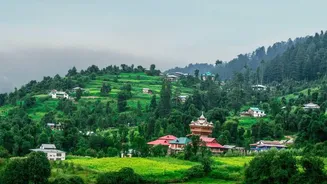
As temperatures rise across the plains from April to June, the smartest travel strategy is to follow the cool air. This is the prime season for India's mountain retreats. A classic route pair could involve exploring the Himalayan hill stations of Himachal Pradesh or Uttarakhand. Destinations like Shimla, Manali, Mussoorie, and Nainital offer a refreshing escape. For the more adventurous, summer is the only window when high-altitude regions like Ladakh and Spiti Valley become fully accessible, their stark, stunning landscapes free from snow. Alternatively, consider a counter-intuitive approach: visit a coastal area like Kerala or Goa. While hot, the pre-monsoon lull means fewer crowds and a more relaxed atmosphere, perfect for a slow-paced wellness retreat.
Monsoon Magic: Embrace the Green
The monsoon months, from July to September, transform vast parts of India into a lush, green paradise. While travel can be challenging in some areas, it’s a spectacular time to visit others. The Western Ghats come alive, making it the perfect season for a road trip through the hills of Maharashtra, Karnataka, or Kerala. Destinations like Coorg, Munnar, Wayanad, and Lonavala are at their most vibrant, with waterfalls at full flow and tea and coffee plantations glistening after the rain. Even Rajasthan has its monsoon charm, with cities like Udaipur and Mount Abu offering a romantic, mist-shrouded beauty. This season is ideal for nature lovers and those seeking a more tranquil, atmospheric journey away from peak-season crowds.
Winter Wanderlust: Deserts and Coastlines
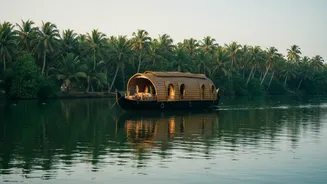
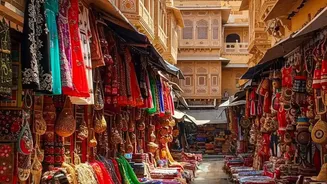
Winter, from October to March, is widely considered the peak travel season for a majority of India. The weather is cool, dry, and pleasant, making it ideal for exploring the heritage and culture of the plains. A quintessential winter route pairs the bustling cities of the Golden Triangle—Delhi, Agra, and Jaipur—with the magnificent desert landscapes of Rajasthan. Cities like Jaisalmer and Udaipur are at their most inviting during these months. This is also the best time to head to the coasts. Goa's beaches are famous for their lively winter season, while Kerala’s backwaters offer a serene and comfortable experience in the mild weather. Whether you’re seeking cultural immersion, wildlife safaris, or beach relaxation, winter provides the perfect climate.
Pacing Your Journey
Matching the season is only half the battle; the pace of your journey matters just as much. A route that’s perfect for a leisurely two-week drive might feel frantic if crammed into four days. Slow travel, the concept of spending more time in fewer places, is gaining traction for a reason. Instead of a whirlwind tour of a whole state, consider exploring one valley in Himachal or a specific sub-region like Chettinad in Tamil Nadu or the tea estates of Assam. Opting for trains or even cycling over short-haul flights can also help you connect more deeply with the landscape you're moving through. A well-paced trip allows for spontaneous discoveries—a local festival, a hidden cafe, or a conversation with a shopkeeper—that are often the most cherished memories.