




The Mid-Morning Energy Slump
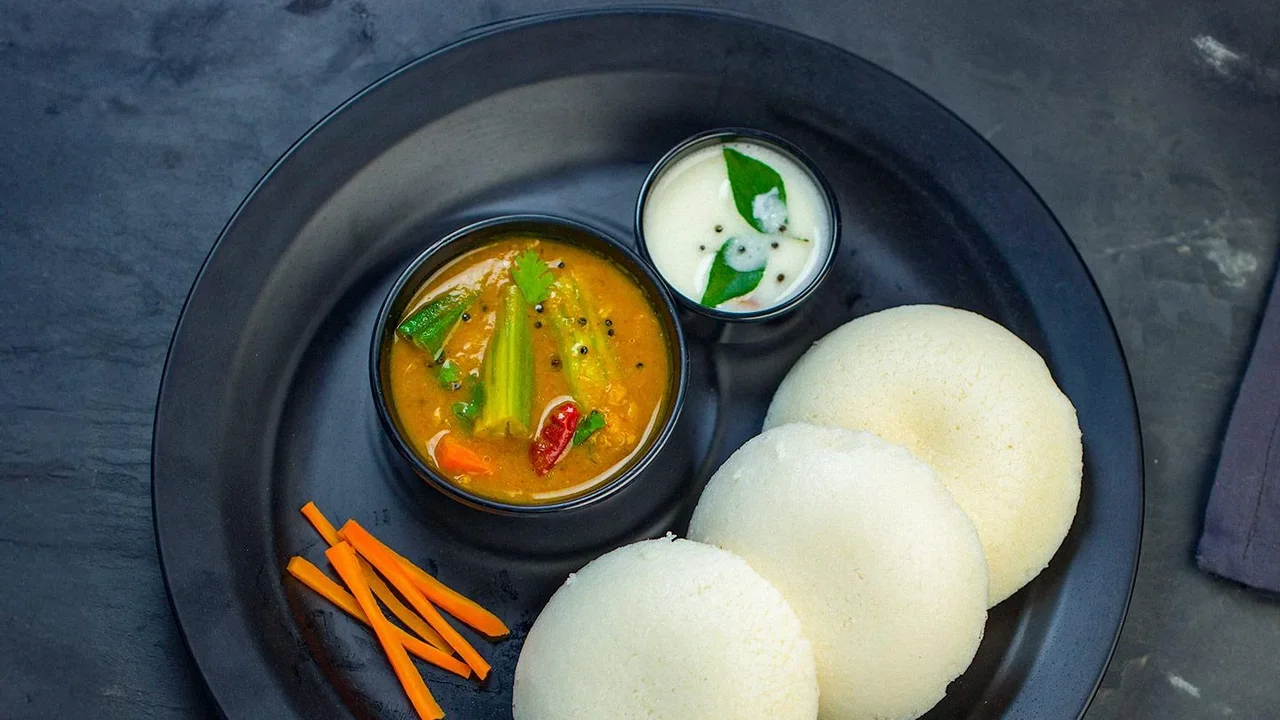
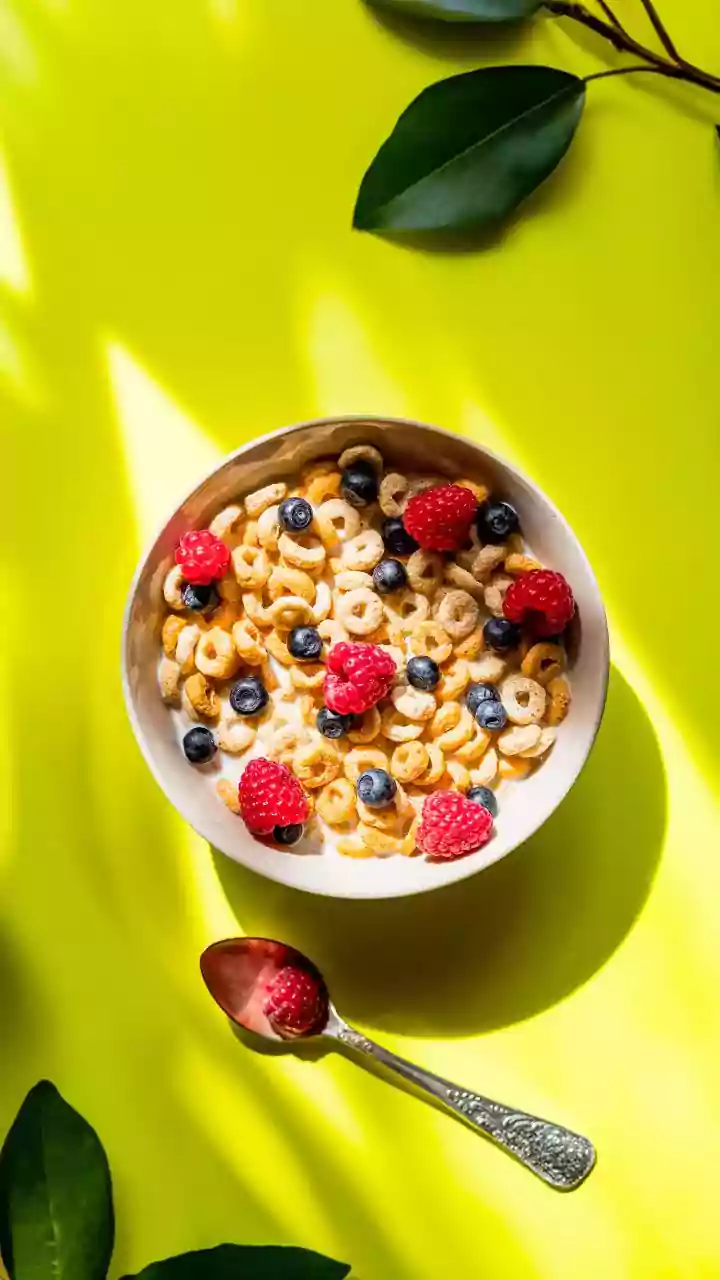
For many, the morning rush means grabbing whatever is easiest. This often translates to breakfasts like poha, idli, or toast—dishes that are comforting but primarily carbohydrate-based. While they provide a quick burst of energy, it's often short-lived.
A breakfast high in refined carbs can cause a rapid spike in blood sugar, followed by a sharp crash. This crash is the culprit behind that familiar feeling of fatigue, irritability, and nagging hunger that strikes well before lunchtime, sending you searching for a snack. This cycle not only disrupts your focus but can also lead to consuming more calories throughout the day.
The Power of Protein
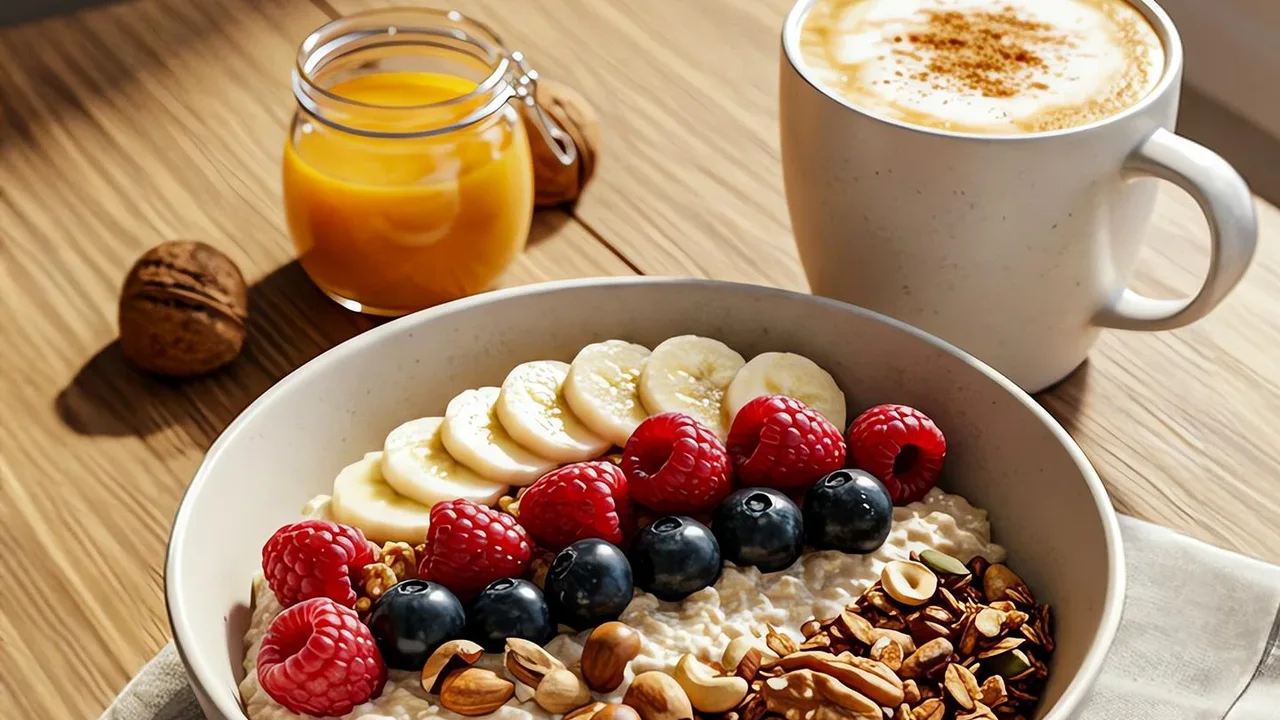
Starting your day with a protein-rich meal is a strategic move to combat morning chaos. Unlike carbohydrates, protein digests slowly, which helps to stabilize blood sugar levels. This prevents the dramatic energy spikes and dips, providing you with a steady, sustained release of energy that lasts for hours. Protein is also highly satiating, meaning it keeps you feeling full and satisfied for longer. It works by reducing ghrelin, the hormone that signals hunger, and boosting hormones that signal fullness. This improved appetite control can significantly reduce cravings and unnecessary snacking later in the day.
Beyond Fullness and Energy
The benefits of a protein-forward breakfast extend beyond immediate energy and satiety. Your body expends more energy digesting protein compared to fats and carbs, a phenomenon known as the thermic effect of food, which gives your metabolism a gentle boost. Furthermore, consuming adequate protein in the morning is crucial for muscle health, helping to repair and maintain lean muscle mass, which is vital for a healthy metabolism. A balanced start also supports better cognitive function and mood stability by providing the amino acids necessary for neurotransmitter production, helping you stay focused and calm through your demanding schedule.
Making It Indian and Easy
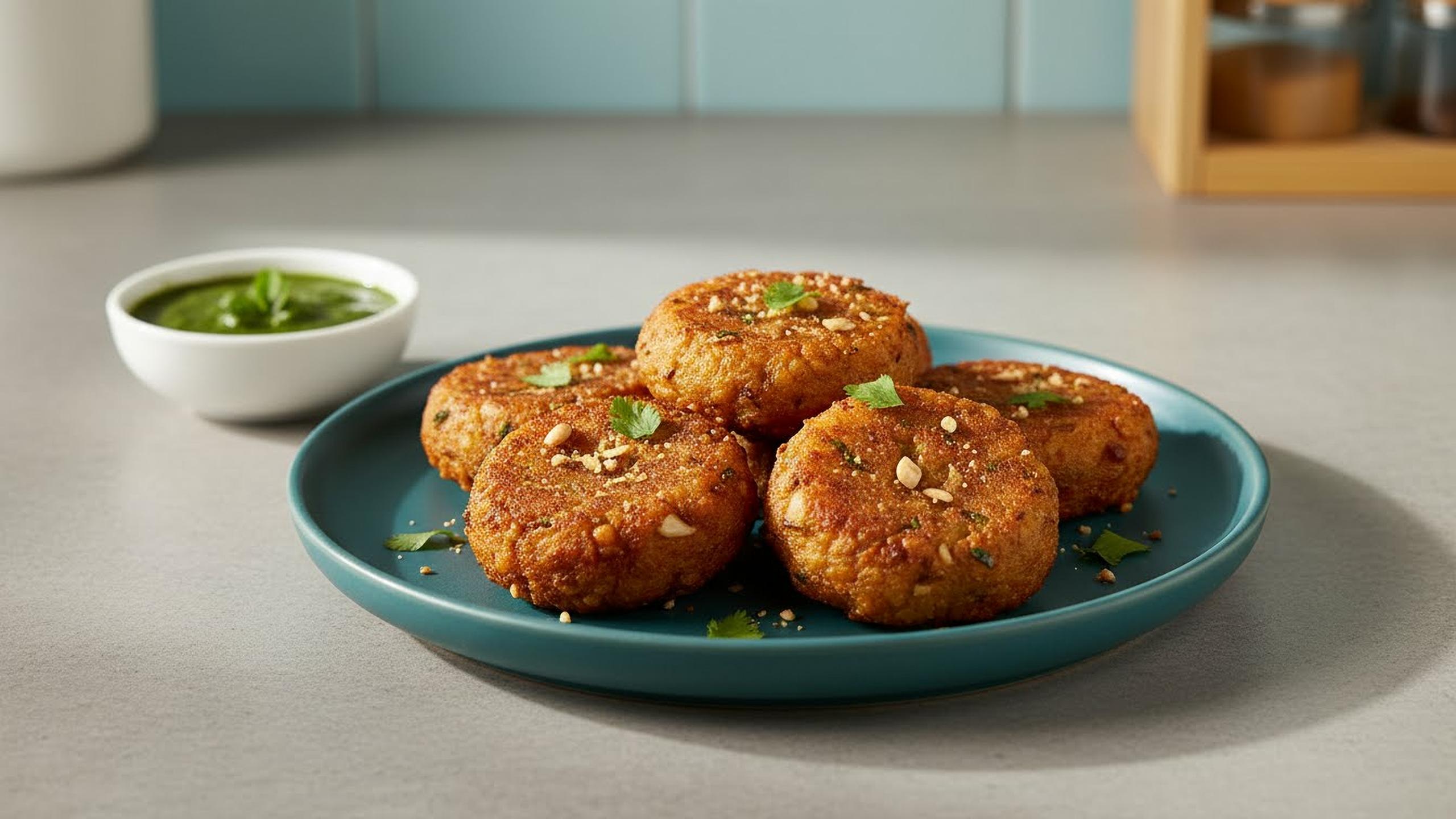
The good news is that Indian cuisine is full of fantastic, protein-rich breakfast options that don't require complicated cooking. Many traditional meals, often overlooked, are naturally high in protein. For instance, a couple of Moong Dal or Besan Chillas can provide 14-16 grams of protein. Paneer Bhurji, a quick scramble of Indian cottage cheese with spices, can pack around 18-20 grams of protein per serving and pairs perfectly with a whole-wheat roti. Sprouted moong salad, tossed with fresh vegetables and a squeeze of lemon, is a light yet powerful option that is easy to digest. Even South India's Adai Dosa, made from a mix of lentils, is a protein powerhouse.
Simple Swaps for a Protein Boost
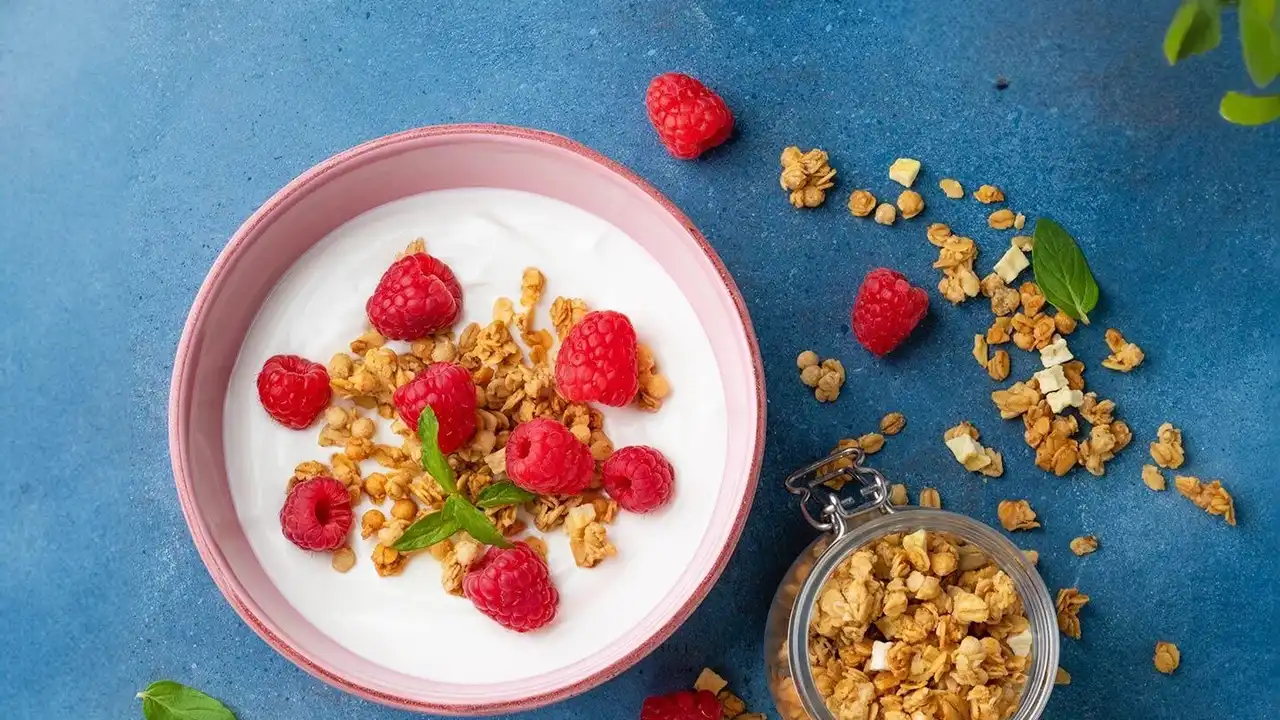
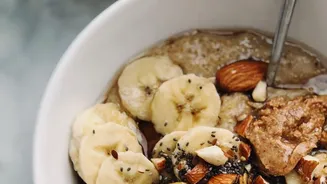
You don't need a complete overhaul to reap the benefits. Small, simple swaps can make a big difference. Instead of a plain aloo paratha, opt for one stuffed with paneer or sattu (roasted gram flour). Add a handful of roasted peanuts or some sprouts to your poha to increase its protein content. If you enjoy upma, try making it with quinoa or adding soya granules and green peas. A bowl of hung curd or Greek yogurt topped with nuts and seeds is another incredibly quick and protein-dense option. These minor adjustments can significantly improve the nutritional profile of your favorite breakfasts, making them work harder for you.