






Block Out Sensory Overload
The first step to quality sleep on a train is creating a personal bubble of calm. A moving train is full of unpredictable light and sound. Fellow passengers might turn on lights, station announcements can blare unexpectedly, and the train itself produces
a constant hum and occasional loud noises. High-quality earplugs are non-negotiable for blocking out everything from conversations to the rumble of the wheels. For even better results, consider noise-canceling headphones, which can play white noise or calming music to mask irregular sounds. Complement this with a comfortable sleep mask. Even if your cabin is dark, station lights can flood the car at every stop. A good mask ensures you remain in darkness, signaling to your brain that it's time to rest.
Control Your Climate with Layers
Train carriages are notorious for their fluctuating temperatures. One moment it can feel stuffy, the next the air conditioning makes it feel chilly. Relying on a single thick jumper is a mistake; the key is to dress in multiple, breathable layers. Start with a comfortable base like a cotton t-shirt, and add a sweatshirt or a light fleece. A large scarf or shawl can double as an extra blanket. This allows you to easily add or remove items to maintain a comfortable body temperature without having to fully wake up. Also, pack a pair of warm socks, as feet often get cold during long journeys. Comfortable, loose-fitting clothing is essential for unrestricted rest.
Create a Comfortable Nest
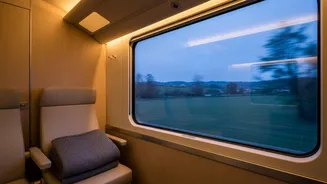
Unless you're in a premium sleeper cabin with a proper bed, you'll need to make your seat as comfortable as possible. A travel pillow is a game-changer for avoiding neck pain. Inflatable pillows are a great space-saving option, while memory foam provides more support. Some trains offer a small cushion, but bringing your own is always a safer bet. While some overnight trains provide bedding, a personal lightweight travel blanket can add a crucial layer of warmth and comfort. If you’re in a seat, choosing a window seat allows you to lean against a stable surface. Don't forget slip-on shoes or sandals for easy trips to the restroom without fumbling with laces in the middle of the night.
Set an Alarm and Secure Your Peace of Mind
One of the biggest anxieties of overnight train travel is sleeping through your stop. This is where the "arrival alarm" mentioned in the headline becomes your best friend. Before you go to sleep, set multiple alarms on your phone. A vibrating alarm can be a discreet way to wake yourself without disturbing others. To avoid any stress, let the train staff know your final destination as an extra precaution. For peace of mind regarding your belongings, keep valuables like your wallet, passport, and phone in a small bag that you can keep on your person, perhaps a small crossbody bag or a money belt. Position your larger bags where you can see or feel them, and consider a small luggage lock for extra security.
Organize with a Digital Note
To ensure you don't forget any of these essentials, create a dedicated packing list in a note-taking app on your phone. Title it "Night-Train Sleep Kit" and list every item: layers (socks, sweatshirt), sensory blockers (earplugs, eye mask), comfort items (neck pillow, blanket), and digital aids (arrival alarm reminder, downloaded podcasts). You can even add a small section for toiletries like a toothbrush, toothpaste, deodorant, and wet wipes to help you feel refreshed upon arrival. This digital checklist is easy to update and ensures that for every future trip, you’re just a few taps away from a perfectly packed, sleep-ready kit.