
A Festival of Feasting, Reimagined
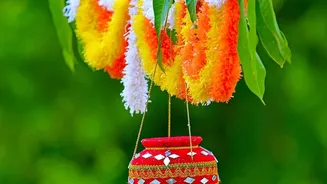
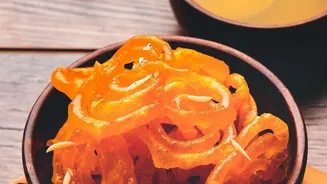
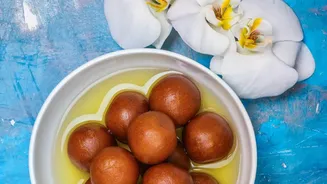
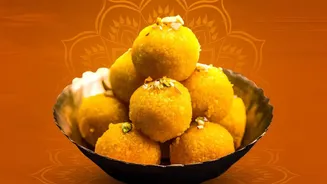
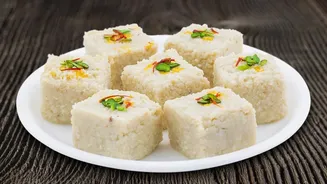
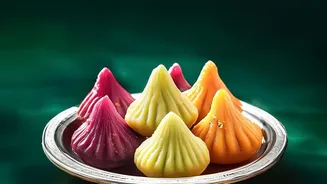
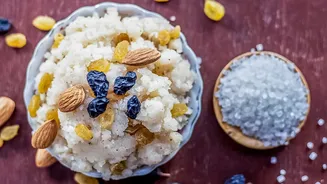
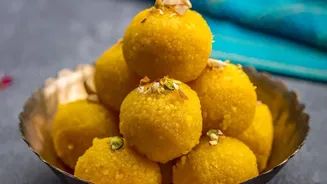
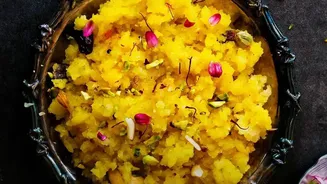
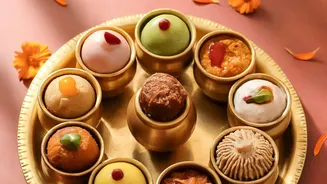
Janmashtami, the celebration of Lord Krishna's birth, has always been deeply intertwined with food. From the makhan (white butter) Krishna famously adored to rich preparations like panjiri, ladoos, and kheer, the festival is a culinary delight. These
foods are not just treats; they are sacred offerings, or 'prasad', shared among family and friends, binding communities together in faith and flavour. For generations, these recipes have been passed down, rich in ghee, milk, and sugar—symbols of abundance and joy. However, a cultural shift is underway. With rising health awareness, especially concerning diabetes and obesity, many are beginning to question the role of high-sugar foods in modern diets. This has created a gentle tension between treasured traditions and contemporary wellness goals.
The New Guard of Festive Food
Stepping into this space are informal youth collectives, tech-savvy home chefs, and nutrition-focused content creators. These groups are not seeking to discard tradition but to adapt it for a new era. Using social media platforms, blogs, and community workshops, they share modernised recipes that honour the essence of Janmashtami while catering to a health-aware audience. Their philosophy is simple: festive feasting and mindful eating can coexist. This movement isn't about restriction; it's about thoughtful substitution and innovation, making celebrations more inclusive for those with dietary concerns and inspiring a new generation to stay connected to their culinary roots in a sustainable way.
From Refined Sugar to Wholesome Sweeteners
The most significant change in these modernised recipes is the move away from refined white sugar. Jaggery (gur), with its earthy sweetness and mineral content, is a popular replacement in everything from kheer to ladoos. Date palm jaggery and date paste are also used to create sweets like 'dates basundi' or 'dry fruit ladoos', offering natural sweetness and fibre. Instead of only whole wheat flour, some updated panjiri recipes incorporate a mix of grains and millets like ragi, or even gluten-free options, catering to diverse dietary needs. The goal is to lower the glycemic index and increase the nutritional value without sacrificing the soul of the dish. Even ghee, while still valued, is sometimes used more judiciously or complemented by an abundance of nuts and seeds for healthy fats.
More Than Just a Recipe Swap
This trend goes beyond simple ingredient changes. It reflects a deeper evolution in how younger Indians perceive tradition. For them, culture is not a static museum piece but a living, breathing entity that must adapt to remain relevant. By reimagining festive foods, they are ensuring that these traditions can be passed down in a way that aligns with modern values of health and wellness. This approach fosters a sense of 'conscious celebration,' where indulgence is balanced with well-being. It’s a message of respect for the past and responsibility for the future, proving that ancient customs can find new expressions without losing their core significance.
A Sweet and Healthy Reception
The response to this low-sugar movement has been overwhelmingly positive. Older generations, many of whom manage lifestyle diseases, appreciate having healthier options that still feel festive and traditional. Meanwhile, younger people who may have felt disconnected from the heavy, ghee-laden sweets of their childhood are finding a new appreciation for these reimagined classics. Sweet shops in various regions have also started experimenting with 'sugar-free' or 'less sugar' versions of traditional mithai, using natural sweeteners to cater to this growing market. This quiet culinary revolution shows that tradition is not about rigid adherence to old recipes, but about preserving the joy and togetherness that food brings to festivals.