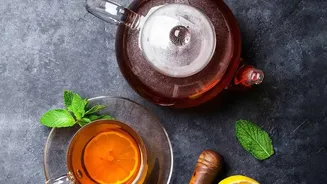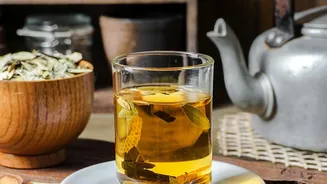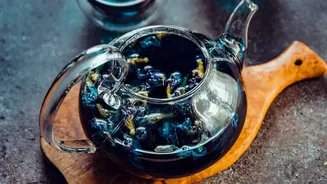

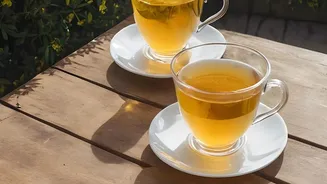
Choose a Theme for Your Teas
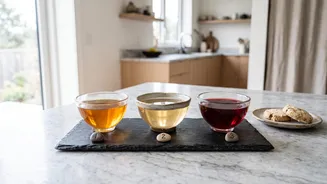
The first step is deciding which teas to serve. A 'tea flight', a selection of three to five teas tasted in sequence, is the best approach. Too few won't offer enough contrast, while too many can overwhelm the palate. A great way to organize your flight is with
a theme. You could explore a single type, like a flight of green teas from different regions (e.g., a Japanese Sencha, a Chinese Dragon Well, and a pan-fired Gunpowder). Alternatively, you could host a tour of tea types, moving from lightest to boldest: a delicate white tea, a grassy green tea, a complex oolong, and a robust black tea. Other fun themes include teas from a specific country, like India (Assam, Darjeeling, Nilgiri), or a profile, such as floral teas (Jasmine, Rose, Lavender).
Gather Your Tasting Essentials
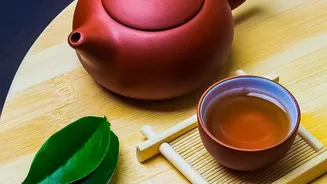
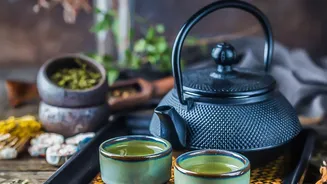
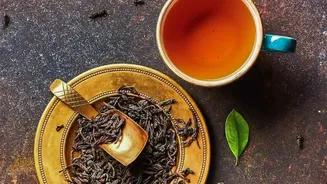
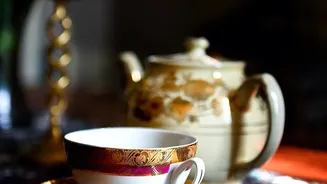
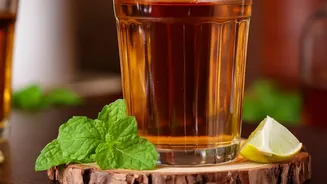
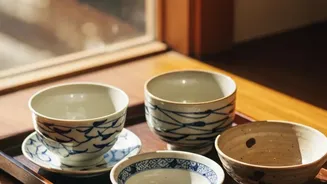
You don’t need much to get started, and you likely have most items already. The essentials include a kettle (one with temperature control is ideal), small cups for each guest, a timer, and infusers or small teapots. Using white or light-coloured cups is recommended so guests can clearly see the colour of the brewed tea, also known as the liquor. It's also helpful to have small dishes to display the dry leaves for guests to see and smell before brewing, and note cards for everyone to jot down their thoughts. To cleanse the palate between tastings, have water and some plain crackers or bread on hand.
The Art of the Perfect Brew
Brewing tea correctly is crucial, as water temperature and steeping time significantly impact the final taste. Using water that's too hot can scorch delicate leaves, resulting in a bitter flavour, while water that’s too cool will lead to a weak, underdeveloped cup. As a general rule, the less oxidized the tea, the cooler the water. White and green teas do best in cooler water, around 70–85°C, for 1–3 minutes. Oolongs are more complex and prefer water between 85–96°C for 3–5 minutes. Robust black, pu-erh, and herbal teas can handle boiling water (93–100°C) and longer steep times of 3–7 minutes. If you don't have a temperature-control kettle, you can boil water and let it sit for a few minutes to cool down before pouring.
Guiding the Tasting Experience
Once your teas are brewed, it's time to taste. You don’t need to be an expert to lead the experience; simply facilitate the process. For each tea, guide your guests through four steps: Look, Smell, Sip, and Savour. First, observe the dry leaf and the colour of the brewed liquor. Next, have everyone smell the aroma. Then, take a sip—a loud slurp is encouraged, as it aerates the tea and spreads it across your palate. Ask guests to notice the 'body' or how the tea feels in their mouth (light, medium, full) and its 'astringency' (the pleasant, drying sensation on the tongue). Finally, discuss the finish—the flavour that lingers after swallowing. Using descriptive words like 'malty', 'floral', 'smoky', or 'vegetal' can help everyone articulate their experience.
Simple and Complementary Food Pairings
The food you serve should complement the teas, not overpower them. Stick to simple, bite-sized snacks with mild flavours. For savouries, classic crustless finger sandwiches like cucumber and cream cheese or egg salad are perfect. Mini quiches or smoked salmon on toast are also excellent choices. On the sweet side, think light. Shortbread cookies, mini cupcakes, small scones with cream and jam, or a simple pound cake work beautifully. A platter of fresh seasonal fruit also adds a refreshing and healthy option that helps cleanse the palate between sips. Arrange everything on a tiered stand for a classic and elegant presentation.