




The Age of the Mango Selfie
In recent years, many mango festivals, or 'aam mahotsavs', have transformed into highly commercialised events. The focus often shifts from the fruit itself to creating picture-perfect moments for social media. Visitors are met with a dizzying array of mango-based
products, from smoothies and ice creams to cakes and cocktails, alongside countless selfie booths and decorative backdrops. While enjoyable, this approach can reduce the celebration to a superficial transaction. The emphasis becomes consumption and image, rather than genuine appreciation for the fruit's rich heritage. Competitions like mango-eating contests often become the main attraction, drawing crowds for their entertainment value but offering little insight into the fruit's cultural or agricultural significance. This modern festival format, while popular, risks losing the very soul of what it means to celebrate the mango.
Honouring the Farmer, Not Just the Fruit
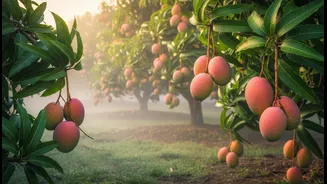
A truly meaningful mango festival places the farmer at its heart. These events should be a primary platform for growers to connect directly with consumers, share their knowledge, and sell their produce without intermediaries. When farmers are given a central role, the festival becomes more than just a market; it becomes a bridge between the city and the countryside. For example, some festivals now honour farmers for their contributions to organic farming and sustainable practices. These events provide a space for growers to showcase heirloom varieties that may not be commercially famous but hold immense local value. By creating this direct link, consumers gain a deeper understanding of the labour, dedication, and challenges involved in mango cultivation, fostering respect and ensuring farmers receive fair compensation for their hard work.
A Celebration of Biodiversity
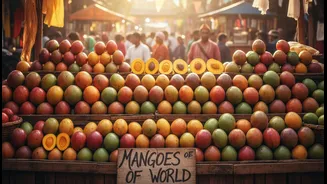
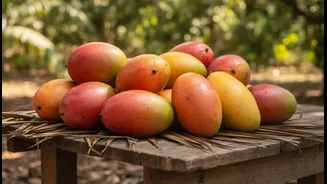
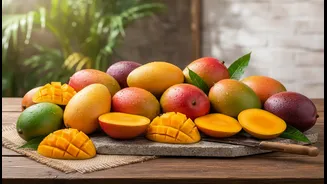
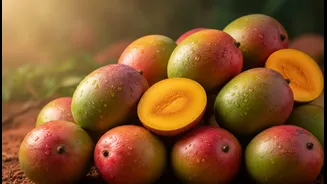
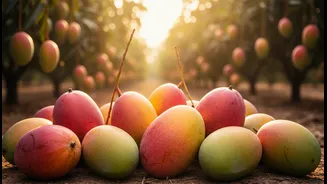
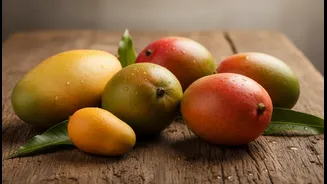
India is home to over 1,500 varieties of mangoes, yet most of us only know a handful like Alphonso, Dasheri, Langra, and Kesar. A great mango festival serves as a living museum, showcasing this incredible biodiversity. Events that feature hundreds of varieties, including rare and indigenous ones, offer visitors a chance to see, taste, and learn about mangoes they would never find in a supermarket. Some festivals are organised specifically to highlight and conserve this genetic diversity, displaying unique regional cultivars and educating the public on their importance. These festivals become crucial for preserving heirloom varieties that are at risk of disappearing due to commercial farming's focus on a few popular types. They encourage the cultivation of a wider range of mangoes, which is vital for agricultural resilience and preserving our rich food heritage.
From Orchard to Art and History
The mango is deeply woven into India's cultural fabric, symbolising love, prosperity, and joy for thousands of years. A festival that goes beyond the superficial acknowledges this by integrating cultural and educational elements. This can include workshops on organic farming, storytelling sessions about the fruit's role in mythology and folklore, and cooking demonstrations of traditional recipes like pickles and chutneys. Some festivals feature cultural performances, mango carving demonstrations, and even showcase how the mango motif has influenced traditional art and textiles, like the paisley design. By incorporating these aspects, the festival transforms from a simple food fair into a rich cultural experience, celebrating the mango's journey from an orchard to a cherished symbol in our collective history.
Building a Truly Sweet Ecosystem
Ultimately, the best mango festivals build a community. They bring together farmers, agricultural scientists, chefs, artists, exporters, and the public in a vibrant ecosystem of exchange. These events become platforms for important discussions on everything from boosting exports and improving storage technology to promoting sustainable farming practices. For consumers, it's an opportunity to learn directly from experts, ask questions, and become more conscious buyers. For farmers and producers, it's a chance to network, learn about market demands, and find new opportunities. This collaborative spirit ensures that the celebration has a lasting impact, strengthening the entire mango industry and fostering a more informed and appreciative community of mango lovers.