


Jamun (Indian Blackberry)
The quintessential monsoon fruit, Jamun's deep purple colour and tart-sweet flavour are an iconic part of the Indian rainy season. This fruit is celebrated not just for its taste but for its impressive health profile. It is a great source of iron, Vitamin
C, and antioxidants. Traditionally, Jamun is also valued for its properties that help in regulating blood sugar levels. What to check: Look for Jamuns that are plump, firm, and have a deep, uniform purple-black colour. Avoid any that are bruised, shrivelled, or have soft spots, as they spoil quickly. They are best consumed fresh, soon after buying.
Peaches (Aadu)
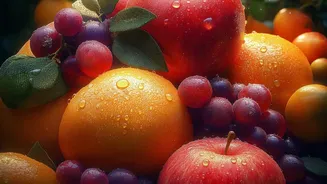
Known for their fuzzy skin and sweet, fragrant flesh, peaches are a delightful monsoon treat. They are packed with antioxidants and vitamins A and C, which are excellent for skin health and boosting immunity. Their fibre content also aids digestion, which can often be sluggish during the monsoon months. What to check: A ripe peach will have a fragrant aroma and its skin will have a creamy yellow or golden undertone. It should feel firm but yield slightly to gentle pressure. Avoid rock-hard peaches or those with green patches, as they are not yet ripe. Similarly, steer clear of overly soft or bruised fruits.
Plums (Aloo Bukhara)
Plums, with their sweet and tangy flavour, are another monsoon favourite. They are rich in antioxidants and are a good source of dietary fibre, which can help prevent constipation and maintain a healthy digestive system. Available in colours ranging from bright red to deep purple, they are as versatile as they are healthy. What to check: When buying plums, look for fruits that are plump with smooth, unblemished skin. They should feel heavy for their size and have a slight softness when pressed gently. A dusty white coating on the skin is natural and a sign of freshness. If they are too firm, you can let them ripen at room temperature for a day or two.
Litchi
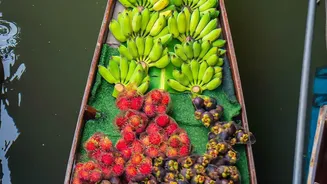
Though their season is brief, often bridging the end of summer and the start of the monsoon, litchis are a much-loved fruit. Their sweet, juicy, and translucent flesh is incredibly refreshing. They are a good source of Vitamin C, copper, and potassium, and provide excellent hydration. What to check: Choose litchis with a bright, reddish-pink skin. They should feel firm and heavy. Avoid those with brown spots, cracked skin, or any that appear dull in colour, as these are signs of spoilage. It's also important to consume them in moderation.
Pomegranate (Anaar)
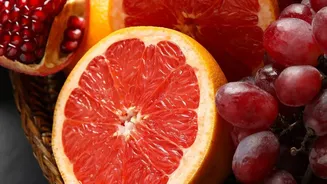
Pomegranates are a nutritional powerhouse available through the monsoon. Their jewel-like seeds, or arils, are loaded with powerful antioxidants that help fight inflammation and support the immune system. They are also a great source of iron, which helps combat the fatigue that can be common during this season. What to check: A good pomegranate should feel heavy for its size, which indicates it's full of juice. The skin should be firm, smooth, and taut. The colour can range from pink to deep red; a consistent, deep colour is more important than the specific shade. Some ripe pomegranates even develop slightly flattened, angular sides instead of being perfectly round.
A General Guide to Monsoon Fruit Safety
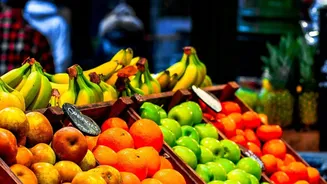
The high humidity during the monsoon can cause fruits to spoil faster and increases the risk of contamination. It is crucial to wash all fruits thoroughly under clean, running water before consumption. Peeling fruits whenever possible, like bananas and oranges, offers an extra layer of safety. It's also wise to avoid pre-cut fruits sold by street vendors, as they may have been exposed to contaminants. Store your fruits properly and try to consume them fresh to get the most nutritional benefit and avoid spoilage.