


Choosing Your Winter Wonderland
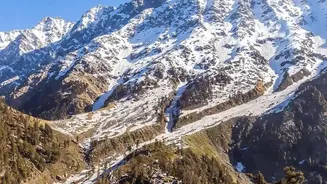
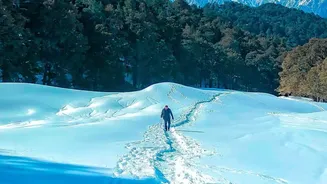
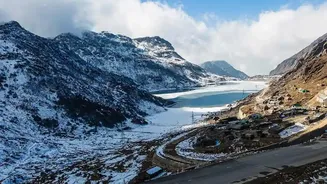
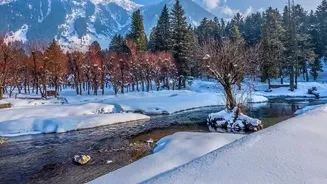
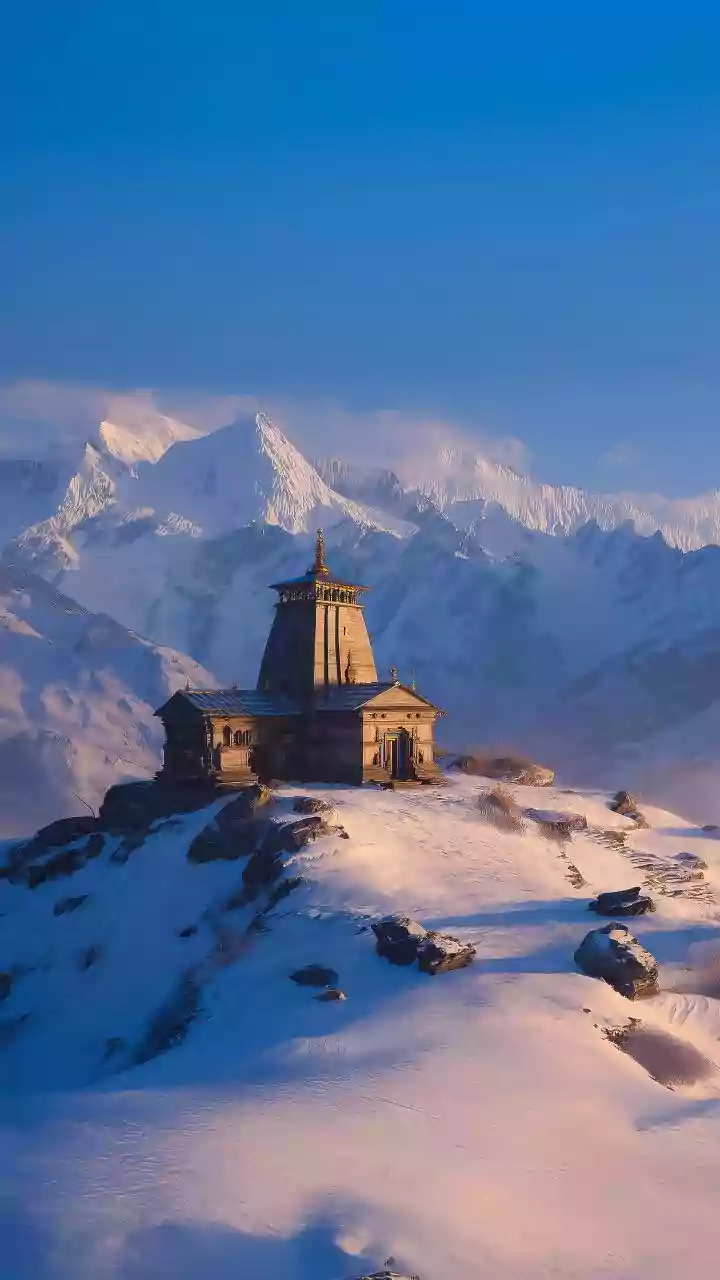
The Indian Himalayas offer a diverse range of winter experiences. States like Uttarakhand and Himachal Pradesh are popular choices, hosting some of the most accessible and well-known winter treks. For beginners, treks such as Kedarkantha, Dayara Bugyal,
and the Chopta-Chandrashila circuit in Uttarakhand offer stunning snowscapes without extreme technical difficulty. These routes provide a perfect introduction to snow trekking, with trails that wind through forests and open up to panoramic views of major peaks. More experienced trekkers might look towards regions in Ladakh, like the challenging Chadar trek on the frozen Zanskar River, which demands a higher level of fitness and preparation. Your first decision is to match your fitness level and appetite for adventure with the right region and a realistic itinerary.
The Reality Check: Routes And Conditions
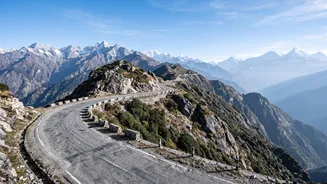
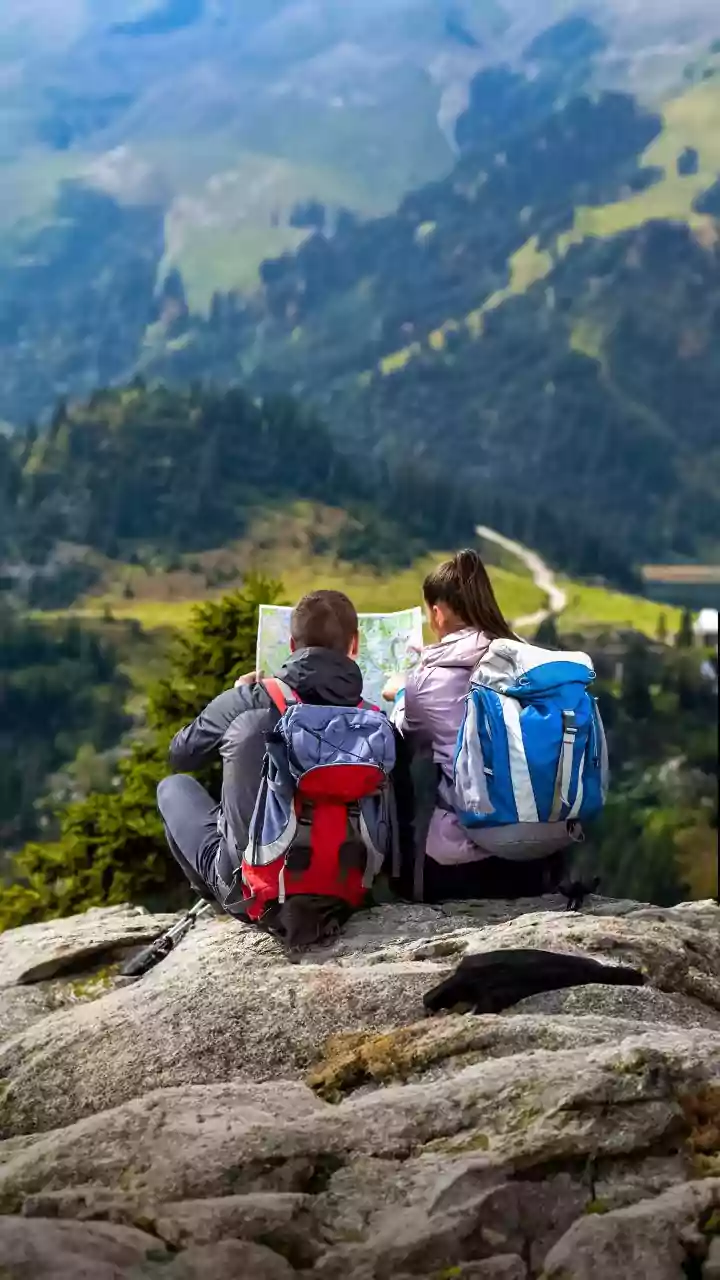
A trail that is a simple walk in summer can become a serious undertaking in winter. Snowfall can obscure paths, and freezing temperatures introduce risks like ice and frostbite. Your research must focus on current conditions. Many trekking organisations and local authorities provide updates on trail status, snow levels, and road accessibility. High passes may be closed, and routes can change year to year due to weather patterns. Look for recent trek reports on forums or blogs, and consult multiple sources to get a clear picture. Websites dedicated to Himalayan weather can provide forecasts, but remember that mountain weather is notoriously unpredictable and can change rapidly. Always have a backup plan in case your primary route is deemed unsafe.
The Non-Negotiable: Local Expertise
For a winter trek, hiring a certified local guide is not just a recommendation; it's an essential safety measure. Local guides possess invaluable, real-time knowledge of the terrain that no map or online report can replace. They can navigate tricky sections, assess avalanche risks, and make critical decisions if weather conditions deteriorate. Furthermore, a guide handles crucial logistics, such as arranging permits, accommodations in teahouses, and porters, allowing you to focus on the trek itself. Their expertise extends to cultural insights and emergency response, providing a safety net that is indispensable in remote mountain environments. When choosing a guide or trekking company, prioritise those with a strong safety record and fair treatment practices for their staff.
Gearing Up For The Cold
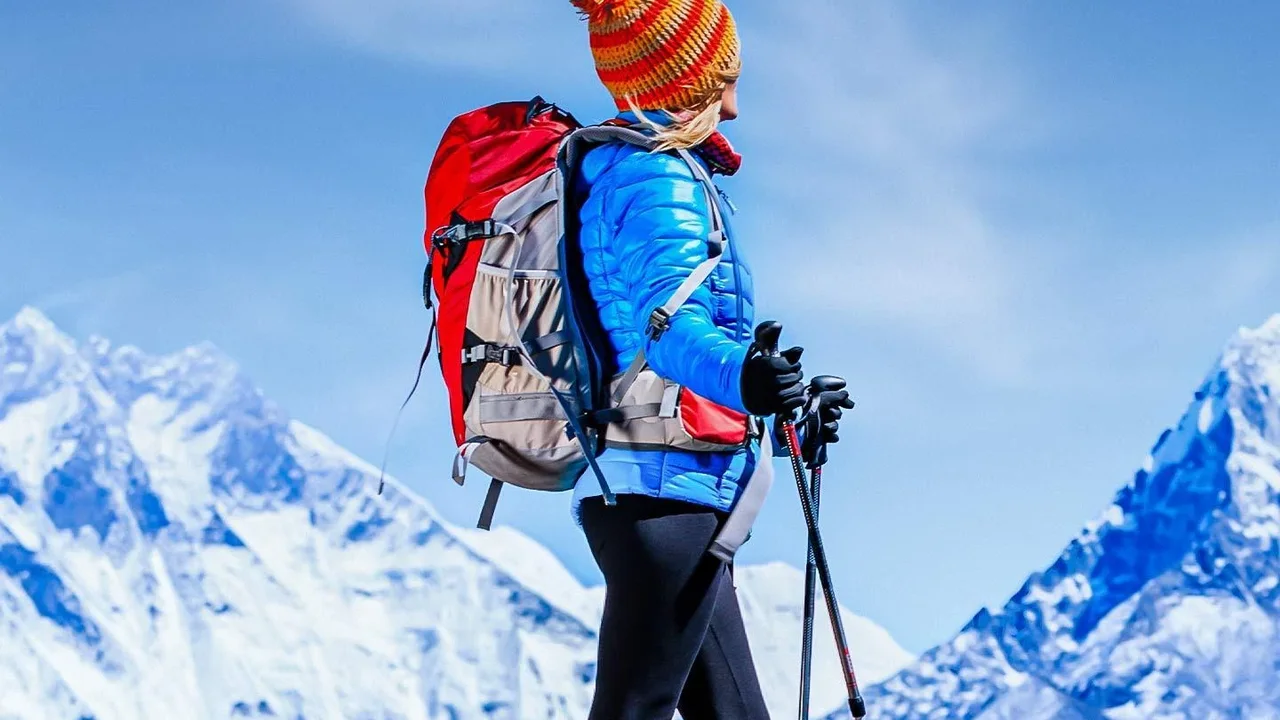
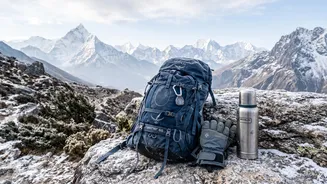
There is no such thing as bad weather, only bad gear. In the Himalayan winter, this saying is a rule to live by. Your comfort and safety depend on a proper layering system. This typically includes a moisture-wicking base layer, an insulating mid-layer like fleece or a down jacket, and a waterproof and windproof outer shell. Your feet are especially vulnerable. Waterproof trekking boots with good ankle support, worn with a combination of liner and wool socks, are crucial to prevent blisters and keep your feet warm and dry. Other essentials include a warm hat, insulated gloves or mittens, sunglasses, and a headlamp. Depending on the trek's technicality, you may also need gear like microspikes or crampons for walking on ice and trekking poles for stability.
Permits, Paperwork, and Acclimatisation
Many Himalayan treks pass through national parks, wildlife sanctuaries, or areas near international borders, requiring various permits. These can include forest permits, Inner Line Permits (ILP) for sensitive border regions, and climbing permits for specific peaks. The required documents vary by state and trek. While your trekking agency will often handle this paperwork, it's your responsibility to ensure everything is in order. Finally, do not underestimate the risk of altitude sickness. Any trek that goes above 2,500 metres requires a plan for acclimatisation. This means ascending slowly, staying hydrated, and building rest days into your itinerary. Rushing to the summit is a dangerous mistake that can lead to serious health consequences.