
What is Textile Upcycling?
Upcycling is different from recycling. While recycling breaks materials down to their raw components, upcycling creatively repurposes them, preserving their original form to create something new and often of higher value. Think of turning a collection
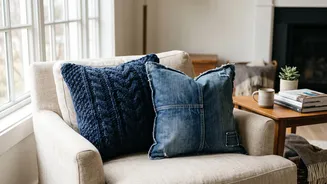
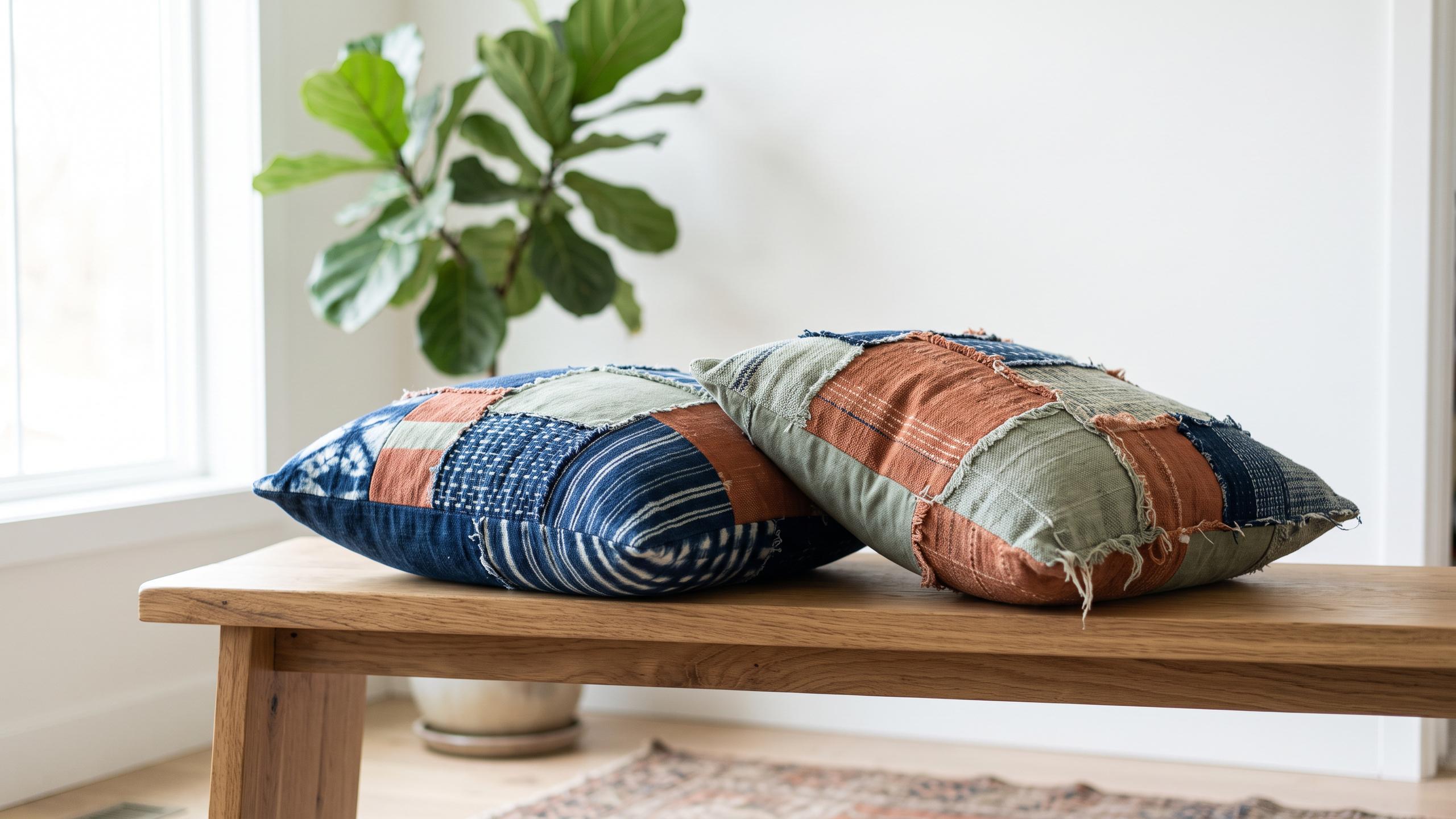
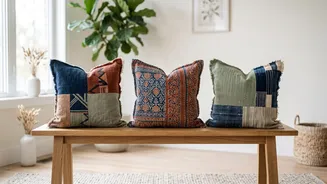
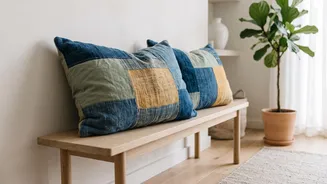
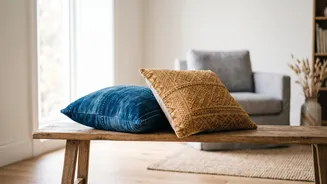
of old patterned shirts into a vibrant patchwork quilt, a pair of worn-out jeans into a durable tote bag, or vintage curtains into stylish cushion covers. This approach champions a more intentional and slower lifestyle, shifting focus from mass-produced trends to personal expression and resourcefulness.
A Lighter Footprint on the Planet
The environmental argument for upcycling is compelling. The fashion and textile industry is a major global polluter, responsible for a significant percentage of carbon emissions and water pollution from dyeing and treatment processes. Millions of tons of textiles end up in landfills each year. By upcycling, you directly divert this waste. Furthermore, creating new products from existing materials conserves vast amounts of natural resources, like the thousands of litres of water needed to produce a single new cotton t-shirt, and reduces the energy consumption associated with manufacturing.
Style That Doesn’t Strain the Wallet
A living room upgrade can be expensive, but upcycling offers a budget-conscious alternative to buying new. Instead of purchasing new materials, you can source fabrics for free from your own closet or for a fraction of the cost at thrift stores, flea markets, and online marketplaces. Old bedsheets, tablecloths, dresses, and even fabric remnants from craft stores can become the raw materials for your next project. This approach allows for a significant aesthetic impact—fresh pillow covers, a new table runner, or unique wall art—without the corresponding financial outlay.
Injecting Personality and Story
Perhaps the most rewarding aspect of upcycling is the ability to create a space that is uniquely yours. Store-bought decor can sometimes feel impersonal, but an upcycled piece tells a story. That cushion might have been a favourite dress; the throw blanket could be a collection of your children's old pyjamas. Vintage textiles, in particular, bring history and craftsmanship into your home. This practice is a core tenet of mindful interior design, which focuses on creating spaces that reflect personal values and foster a sense of calm and intention, rather than just following trends.
Easy Ways to Start in Your Living Room
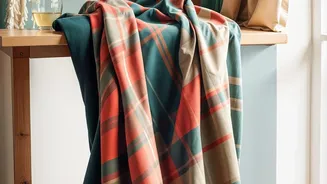
You don't need to be a master sewer to begin upcycling. Start with simple, high-impact projects. Create new cushion covers from old sweaters or patterned shirts. Sew together fabric scraps to make a patchwork throw blanket or a colourful table runner. For a no-sew option, stretch an interesting piece of fabric over a canvas or inside an empty picture frame for instant wall art. You can even wrap old lamp shades with new fabric to give them a modern update. The key is to look at old textiles not as something to be discarded, but as the foundation for something new and beautiful.