







A New Era of Trekking Safety
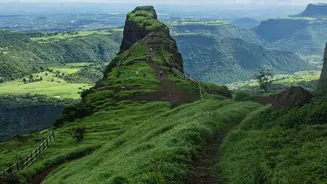
The 2026 monsoon season is shaping up to be one of the most regulated in recent memory for trekkers in the Western Ghats. Spurred by a high number of weather-related fatalities in 2025, state governments across Maharashtra, Karnataka, and Goa have introduced
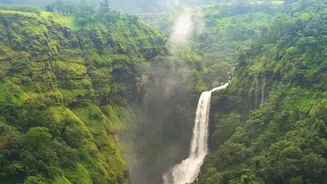
stringent rules, including outright bans on accessing certain popular forts, waterfalls, and wildlife sanctuaries. In Maharashtra, districts like Pune and Raigad have invoked Section 163 of the Bharatiya Nagarik Suraksha Sanhita (BNSS), 2023, to prohibit entry to high-risk areas like Devkund Waterfall and parts of the Tamhini Sanctuary. Similarly, Karnataka now mandates that all treks in its forest regions be booked online via the 'Aranya Vihara' portal, with registered guides being compulsory for many routes. Amidst this crackdown on unregulated trekking, responsible operators are stepping up by integrating advanced safety equipment, most notably Personal Locator Beacons (PLBs) and other GPS-based trackers.
How Live GPS Beacons Work
For many trekkers, a mobile phone feels like enough of a safety net. But in the remote valleys and dense forests of the Ghats, where mobile signal is unreliable or non-existent, a dedicated GPS device becomes a lifeline. Unlike a phone, which depends on cellular networks, a PLB or satellite messenger communicates directly with a network of orbiting satellites. When activated in an emergency, these devices transmit a distress signal containing the user's precise GPS coordinates to international search and rescue services. This signal operates independently of the internet or mobile towers, ensuring it can be sent from virtually anywhere on the planet with a clear view of the sky. This technology dramatically reduces the time it takes for rescue teams to locate a lost or injured trekker, a critical factor when dealing with injuries or sudden, severe weather changes.
Why the Change Is Happening Now
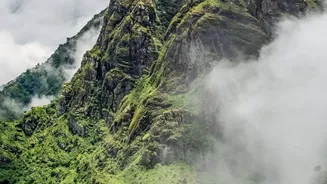
The push for upgraded safety gear is a direct response to growing concerns over trekker safety and the increasing frequency of extreme weather events. The 2025 monsoon was particularly deadly, with thousands of fatalities linked to landslides and flooding across India. Several high-profile trekking incidents in the Western Ghats led to a public outcry and forced authorities to act. Trails that are manageable in dry seasons can become treacherous during the rains, with risks like flash floods in narrow gullies, slippery rock patches, and swollen stream crossings being the primary dangers. Recent landslides have forced the temporary closure of popular trails like Andharban, highlighting the volatile conditions. By adopting GPS beacons, trek operators are not only complying with a stricter regulatory environment but are also providing a higher standard of care and giving trekkers—and their families—greater peace of mind.
What This Means for Your Monsoon Trek
If you're planning a monsoon trek in the Western Ghats this year, your experience will likely be different. Firstly, solo trekking is widely discouraged and banned on many official trails. Expect to trek in a group with a certified guide. Secondly, inquire specifically about the safety equipment your chosen operator provides. Ask if they carry a PLB, satellite phone, or group GPS tracker. While these devices are becoming more common, they are not yet universal. Thirdly, be prepared for mandatory online permits and strict check-in/check-out procedures, especially in Karnataka. Finally, always do your own due diligence. Check official forest department websites and local news for the latest trail closures and advisories before you leave home. Many popular routes may be closed with little notice due to heavy rainfall.
Beyond the Beacon: Essential Safety Remains Key
While GPS technology is a significant advancement, it doesn't replace the fundamentals of trekking safety. The most crucial safety decision is choosing an appropriate trail for the conditions and your skill level. Always carry a personal first-aid kit, sufficient water, and extra layers of clothing in a waterproof bag. Good quality trekking shoes with excellent grip are non-negotiable on slippery monsoon trails. Inform someone not on the trek about your detailed itinerary and expected return time. Remember, the goal of a trek is to return safely. The introduction of GPS beacons is a powerful new tool in the arsenal, but personal responsibility, thorough preparation, and respecting the power of nature remain the cornerstones of a safe and enjoyable adventure in the Ghats.